Written By: Synergy Design & Construction

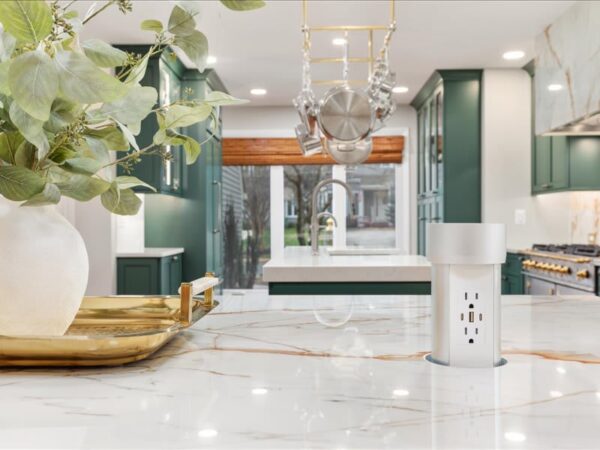
Technology continues to reshape how we live, and the modern home is evolving right along with it! Smart home integrations are no longer just futuristic ideas or luxury add-ons; they’re becoming practical tools that help homeowners simplify everyday routines while improving comfort, efficiency, and convenience.

At Synergy Design & Construction, we see homeowners exploring smart technology as part of a home renovation or remodel. Whether it’s enhancing lighting, upgrading appliances, or preparing for electric vehicle charging, thoughtful smart home features can make daily life noticeably smoother.

The key is not simply adding technology for the sake of it. Instead, it’s about choosing solutions that truly support how you live in your home.

Here are several smart home upgrades that can elevate both functionality and comfort. (more…)


An organized kitchen doesn’t happen by accident. It’s not just about drawer dividers or pantry bins. It starts much earlier with thoughtful design decisions that support how you actually live.

At Synergy Design & Construction, we’ve found that the most functional kitchens aren’t necessarily the largest. They’re the ones that were designed intentionally. When layout, storage, and daily habits are considered together, the result is a space that feels calmer, works harder, and stays organized long after the kitchen remodel is complete.

Here are five ways to design a kitchen that supports lasting organization. (more…)


Written By: Synergy Design & Construction

Many homes are often designed around togetherness, open layouts, shared living spaces, and rooms built for gathering. While these features are valuable, they can leave little room for something just as important: a place where you can slow down and recharge. Creating a personal retreat is often the last thing considered when designing a home; however, it is just as important as any other space within the home.

As experienced remodelers serving Reston, VA, we see firsthand how thoughtful home design can shape the way people feel in their spaces. Beyond aesthetics and functionality, a well-designed home should include areas that allow you to disconnect from daily demands and reconnect with yourself. Research supports this approach, showing that dedicated spaces for rest and self-care can play a large role in reducing stress and improving long-term health. (more…)


Written By: Synergy Design & Construction

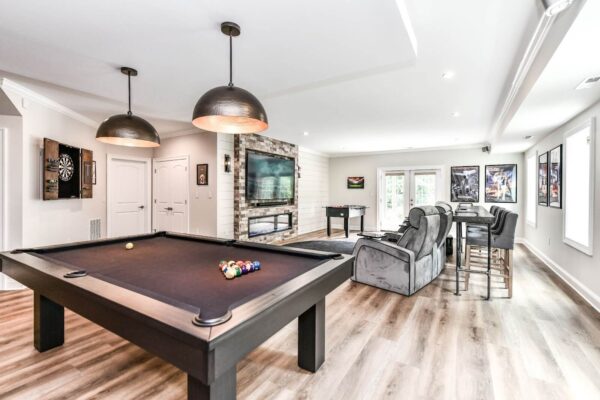
7 Smart Ways to Reimagine Your Basement

When homeowners think about ways to improve how their house functions day to day, the basement is often overlooked. Whether unfinished or partially complete, the lower level offers significant opportunity. With intentional planning and a thoughtful design build process, a basement remodel can add meaningful living space without expanding the home’s footprint.

At Synergy, basements are approached with the same care as any other remodel, emphasizing adaptability, comfort, and long-term use. Because of their flexibility, basements can support a wide range of needs, making them one of the most versatile areas in a home. Below are seven ways homeowners can thoughtfully transform their basements into a space that truly supports the way they live.

1. A Comfortable Family Room or Secondary Living Area

When the main level of a home is balancing work, school, entertaining, and everyday life, having an additional living space can make a noticeable difference. A basement family room creates room to spread out, whether that means hosting movie nights, welcoming guests, or giving kids a place to relax.

Key design elements include:

  • Layered lighting to brighten the lower level
  • Comfortable, durable seating options
    Built-in storage for media and electronics
  • Sound control for movies or music
  • Warm materials that make the space feel inviting

A well-designed basement living area enhances everyday comfort while helping preserve the main living spaces upstairs.

(more…)


This is a sponsored column by attorneys John Berry and Kimberly Berry of Berry & Berry, PLLC, an employment and labor law firm located in Northern Virginia that specializes in federal employee, security clearance, retirement and private sector employee matters.

The Merit Systems Protection Board (MSPB) is an appeals process for federal employees and former federal employees to challenge a variety of federal agency actions. These include serious disciplinary actions (adverse actions), retirement appeals, whistleblower retaliation cases, and other types of personnel disputes.

The most common type of MSPB Appeal for federal employees involves serious disciplinary actions, such as a proposed removal, suspension over 14 days, or demotion. Although federal employees have the right to represent themselves, federal agencies are almost always represented by counsel.

Federal Agencies Treat MSPB Cases Differently When an Employee Has an Attorney

One key reason to retain an MSPB lawyer is that it often changes how a federal agency approaches an MSPB appeal. Agencies typically allocate more time and resources to cases in which the federal employee is represented by counsel. When a federal employee has an attorney, agency counsel knows the opposing party will be able to understand deadlines, evidentiary rules, and litigation strategy.

The MSPB Process is Much Like a Regular Civil Case

The MSPB Appeals Process functions much like a regular court case. A major misconception is that the MSPB process is simple enough for an employee to handle alone. In reality, an MSPB appeal operates similarly to a civil court case and includes discovery, depositions, and motions among other similarities.

Federal employees often contact us after discovery deadlines have passed. This can significantly limit the chances of winning or negotiating a favorable settlement. Retaining an MSPB attorney early in the process is critical to preserving your rights and building the strongest possible case.

Having an Attorney Can Increase Your Chances of Settlement

In our experience, federal employees represented by counsel are more likely to resolve their MSPB appeals through settlement. Federal agencies evaluate settlement based on various factors such as risk, including the risk of losing the appeal, which increases when the employee has effective representation.

Attorneys also understand how to conduct strategic discovery, take depositions, and obtain information that may encourage a federal agency to settle. Self-represented employees often struggle with these tasks, which can diminish settlement leverage and reduce the amount of useful evidence that is uncovered.

Additionally, MSPB lawyers are skilled in negotiating and drafting settlement agreements to protect the employee’s interests, minimize future risk, and help ensure compliance by the agency.

It is Hard for an Employee to Represent Themselves at a MSPB Hearing

MSPB hearings require litigation skills that are challenging for a non-lawyer to perform effectively. A hearing typically involves opening and closing statements, presenting and questioning witnesses, cross-examining agency witnesses, making objections, and understanding evidentiary rules and providing sworn testimony.

Self-representation becomes especially challenging when it comes to testifying. Employees often end up making unscripted statements instead of providing structured testimony that effectively supports their case. An MSPB attorney can guide the employee through their testimony and ensure the strongest possible presentation of evidence.

Many federal employees come to us after filing their appeal, only to discover how complex and time-sensitive the process is. The earlier an MSPB attorney becomes involved, the better the outcome tends to be.

Our law firm represents and advises federal employees in various employment law matters. If you need legal assistance regarding a federal employment matter, please contact our office at (703) 668-0070 or at www.berrylegal.com to schedule a consultation.


Written By: Synergy Design & Construction

As multi-generational living becomes more common throughout Northern Virginia, families are discovering new ways to make shared homes more comfortable for everyone. Whether adult children are moving back in, grandparents are joining the household, or families are combining resources to provide care, thoughtful design can make all the difference in how smoothly life flows under one roof.

One of the top considerations for these remodels? Soundproofing. By planning for noise control from the very beginning, homeowners can create calm, functional spaces that balance connection with privacy, ensuring no one has to tiptoe around another’s schedule.

Why Soundproofing Is Essential in a Multi-Generational Household

A bustling home filled with multiple generations naturally comes with varied routines. Kids play, parents take virtual meetings, televisions hum in the background, and different bedtimes keep the activity going around the clock. Without intentional sound management, even a warm and connected home can start to feel overstimulating.

Soundproofing goes beyond simply quieting a space, it enhances the quality of life. Reducing excess noise supports better sleep, lower stress, and improved concentration. It also allows each family member to enjoy their space freely, without disrupting others.

When paired with strategic design choices, like adding a small kitchenette, private entrance, or ensuite bath, soundproofing can transform part of the home into a self-contained suite. These private zones help older relatives maintain independence while keeping them close for safety and companionship.

At Synergy, sound control is built into the remodeling process from the start. Addressing concerns early is far more effective than trying to fix noise problems after construction. Considering layout, materials, and insulation together ensures each element contributes to a balanced, peaceful environment.

Areas of the Home That Benefit Most from Soundproofing

Noise doesn’t spread evenly throughout a home, some areas carry sound more than others. Prioritizing the right spaces helps maximize both comfort and functionality:

  • Bedrooms: Insulating shared walls and floors allows light sleepers and early risers to coexist peacefully.
  • Home offices and study zones: Soundproofing these spaces supports focus and productivity, especially when remote work or online learning is part of daily life.
  • Bathrooms: Plumbing noise is a common culprit. Adding noise-reducing barriers or insulation helps dampen the sound of running water.
  • Basements and in-law suites: When converting these spaces into private living areas, additional insulation helps minimize noise from floors above.
  • Living areas: Kitchens, family rooms, and entertainment spaces benefit from sound management to prevent activity from bleeding into quieter rooms.

Understanding how sound travels allows a design build team to plan effective solutions before construction begins, creating a smoother remodeling experience and a better end result.

Effective Soundproofing Techniques for Every Home

There’s no one-size-fits-all solution for noise reduction. A combination of construction methods, design details, and finishing materials can dramatically improve the comfort of your home:

1. Structural Soundproofing

  • Use high-STC insulation in interior walls to reduce sound transfer.
  • Install soundproof drywall or resilient channels that absorb vibration.
  • Add floating floors or underlayments to limit impact noise between levels.

2. Design-Based Solutions

  • Choose solid-core doors instead of hollow-core for better sound blocking.
  • Add weatherstripping or door sweeps to close noise gaps.
  • Incorporate heavy curtains, upholstered wall panels, or layered textiles to absorb sound naturally.
  • Use area rugs and soft furnishings to help minimize echo in open spaces.

3. Advanced Upgrades

  • Consider sound-absorbing ceiling tiles or wall panels in media rooms and offices.
  • Use insulated plumbing and quiet HVAC systems to reduce background noise from mechanical sources.

The right combination depends on how your home is used and where noise tends to travel most. Thoughtful planning ensures each generation can enjoy privacy and peace while still feeling connected to the shared home.

Building Harmony in Multi-Generational Homes

Soundproofing isn’t about separation, it’s about balance. A home that supports both quiet independence and family togetherness feels calmer, more cohesive, and ultimately more livable.

For homeowners across Northern Virginia, the design build experts at Synergy Design & Construction specialize in creating spaces that reflect both function and feeling. If you’re planning a remodel for a multi-generational household, their team can help you design a home that’s not only beautiful, but truly built for connection and comfort.


This is a sponsored column by attorneys John Berry and Kimberly Berry of Berry & Berry, PLLC, an employment and labor law firm located in Northern Virginia that specializes in federal employee, security clearance, retirement and private sector employee matters.

On October 10, 2025, the United States Court of Appeals for the Federal Circuit issued a major ruling in OPM v. Moulton, holding that the Office of Personnel Management (OPM) may only divide a federal retiree’s Federal Employees Retirement System (FERS) annuity supplement with a former spouse if a court order or divorce decree expressly provides for such a division. The decision affirms the Merit Systems Protection Board’s (MSPB) interpretation of the law and rejects OPM’s broader approach adopted in 2016.

Background: FERS Annuity Supplement

Most federal employees are covered by FERS which is made up of three components: (1) Social Security benefits, (2) a Thrift Savings Plan (a retirement savings and investment plan similar to 401(k) plans available to private-sector employees), and (3) a basic annuity payment. For employees who retire before reaching age 62, the earliest Social Security retirement age, FERS also provides a retirement annuity supplement, which is a temporary payment meant to bridge the gap between retirement and Social Security eligibility.

Traditionally, OPM did not divide the FERS annuity supplement between a retiree and a former spouse, as the annuity supplement was not considered to be subject to division. However, OPM altered its approach in 2016. It began interpreting any court-ordered division of the basic annuity as implicitly including the annuity supplement, even if the order did not expressly say so. OPM applied this new interpretation retroactively, demanding repayment from retirees and reducing future supplement payments.

(more…)


Written By: Synergy Design & Construction

When planning a remodel, most homeowners daydream about what’s ahead: a refreshed kitchen, new flooring, or a better-flowing layout that finally works for how they live. But if you share your home with pets, there’s another important part of the story: how the renovation process will affect them.

At Synergy, we believe a successful remodel supports the whole family, pets included. From the earliest planning discussions through the final reveal, we think through the details that make the experience smoother and more comfortable for everyone who calls your home their own.

Addressing Common Concerns About Pets During Remodeling

It’s natural to wonder how your pets will handle the changes that come with construction. The sounds, new people, and shifting routines can all feel unfamiliar at first. We’ve worked with many homeowners who share those same concerns, and we’ve learned that a little preparation goes a long way.

Before a project begins, we take time to talk through what life in your household looks like, for everyone in your household, pets included. Together, we create plans that keep them safe, minimize stress, and preserve as much normalcy as possible. That might include designating a quiet room where they can rest, adjusting schedules to reduce commotion during key routines, or even introducing them to our team so they feel comfortable seeing new faces around the house.

Designing a Pet-Friendly Home

A remodel is the perfect opportunity to make lasting updates that support the way your family and your pets live every day. Northern Virginia homeowners are embracing practical yet beautiful design choices that balance durability and comfort.

Some favorite features include:

  • Durable Flooring: Pet-friendly materials like tile, luxury vinyl plank, or engineered hardwood offer lasting style and scratch resistance.
  • Built-In Storage: Custom cabinetry or drawers for pet supplies keep essentials organized while reducing clutter.
  • Pet-Friendly Mudrooms: Integrating a dog-wash station, built-in feeding area, or storage for leashes turns this high-traffic space into a true command center for families with pets.
  • Safe Outdoor Access: A fenced yard, screened porch, or integrated pet door gives animals independence while keeping them secure.
  • Cozy Nooks: Small built-ins or alcoves create comfortable spaces where pets can rest and feel at ease when the household gets busy.

Beyond aesthetics, these details make a home more functional, organized, and welcoming for everyone.

Keeping Pets Comfortable During Construction

Noise, dust, and daily activity are part of any remodel, but pets can adapt well with a little preparation. Here are a few helpful strategies design-build professionals often recommend:

  • Create a Safe Space: Choose a quiet room away from construction where pets can relax with familiar bedding and toys.
  • Plan Around the Schedule: Knowing which days will be especially active helps you plan for pet care in advance.
  • Stick to Routine: Keeping feeding and walking times consistent offers pets reassurance and stability.
  • Temporary Alternatives: For especially sensitive pets, consider a trusted friend, sitter, or doggy daycare during the busiest days.
  • Gradual Introductions: Let pets meet the crew from a distance before work begins, they’ll adjust more easily once they’re familiar with new scents and faces.
  • Stay Calm: Animals take cues from their owners. Staying relaxed helps pets feel secure, even amid change.

Over the years, Synergy’s team has met countless furry “assistants”, dogs who shadow carpenters and cats who watch the work unfold from their favorite perches. These moments remind us that when a remodel is managed thoughtfully, pets often adapt better than expected.

A Home Designed for Every Family Member

Together, you can create a home that’s thoughtful, functional, and welcoming for every family member. A successful remodel doesn’t just meet practical needs, it nurtures the comfort and connection that make a house feel like home. For pet owners, that means thinking about flooring, layout, and storage in ways that support both style and daily living.

In Northern Virginia, more homeowners are choosing design build partners like Synergy, who understand that every family member matters. With the right team, you can create a home that’s beautiful, functional, and welcoming for everyone, paws included.


This is a sponsored column by attorneys John Berry and Kimberly Berry of Berry & Berry, PLLC, an employment and labor law firm located in Northern Virginia that specializes in federal employee, security clearance, retirement and private sector employee matters.

We defend federal employees facing discipline. Federal employees serve the public with dedication, but like any workforce, they may face proposed disciplinary actions, ranging from demotions to removals. These actions are stressful and career-threatening, but federal law and regulations provide employees with meaningful rights and avenues to respond. As lawyers representing federal employees, it is important to understand the federal employee disciplinary process.

The disciplinary process, for most federal employees, is currently on hold during the Government Shutdown, but will resume as soon as federal employees are permitted to return to work.

Understanding the Notice of Proposed Discipline

When an agency intends to discipline most federal employees, it must first issue a written Notice of Proposed Discipline (e.g. Notice of Proposed Removal). This document outlines the charges, specifications, and the proposed penalty. Importantly, this is not the final decision. It is just a proposed action. At this stage, the employee (presuming they are not probationary or in a unique civil service category) generally has the right to respond both orally and in writing.

What to Consider in Reviewing the Proposal?

When reviewing the Proposed Discipline, it is important to look for a few things in evaluating it, including:

  • Specificity of Charges: Does the notice clearly identify the alleged misconduct?
  • Evidence Cited: Is the proposed action supported by reliable documentation or testimony?
  • Penalty Proposed: Does the penalty align with the agency’s own disciplinary table and other similar cases?

The Employee’s Right to Respond

Federal employees generally have the right to respond, usually within 7 to 30 days depending on the severity of the proposed action and the agency involved. This is a critical window to:

  • Request and Review the Evidence – Request the information upon which the notice is based.
  • Refute Allegations – Challenge inaccuracies or incomplete facts in the notice.
  • Provide Mitigation – Explain extenuating circumstances, work history, or personal factors that weigh against severe discipline.
  • Highlight Other Issues – Agencies must follow law and regulations. Many disciplinary cases also involve discrimination and/or whistleblower retaliation which is relevant to a federal employee’s defense.

Often, agencies fail to consider mitigating factors such as years of good service, lack of prior discipline, or whether progressive discipline was properly applied at the proposal stage. These arguments can substantially reduce or eliminate penalties in the final decision.

The Deciding Official’s Role

A deciding official, separate from the proposing official, will hear the employee’s response and issue the final decision. The deciding official is required to give meaningful consideration to the employee’s defense. Ensuring that the response is written carefully, supported by evidence, and persuasive is crucial. It is also important for a federal employment attorney to prepare a federal employee for the oral response.

Appealing a Final Decision

If the agency issues an adverse action (such as removal, suspension over 14 days, or demotion), the employee may have the right to appeal. Options include:

Each forum has strict deadline, often as short as 30 days, so employees should seek a federal employment lawyer immediately after receiving the final decision.

Why Legal Representation is Important

Defending against proposed discipline is not just about challenging allegations. It requires legal representation, for such things as:

  • Reviewing agency evidence and uncovering weaknesses.
  • Gathering witness statements and supporting documents.
  • Framing mitigation in a way that resonates with deciding officials.
  • Preparing for potential appeals to MSPB or arbitration.

An experienced federal employment attorney can significantly improve outcomes, whether by securing withdrawal of the proposal, negotiating a lesser penalty, or successfully overturning an adverse decision on appeal.

Conclusion

Federal employees facing proposed disciplinary actions should remember: the notice is not a final decision. With well-prepared responses and counsel, many employees successfully defend their careers. The process is complex, but due process protections exist for a reason. Federal employees should have a federal employment lawyer retained to assist them in this process.

Our law firm represents and advises federal employees in various employment law matters. If you need legal assistance regarding a federal employment matter, please contact our office at (703) 668-0070 or at www.berrylegal.com to schedule a consultation.
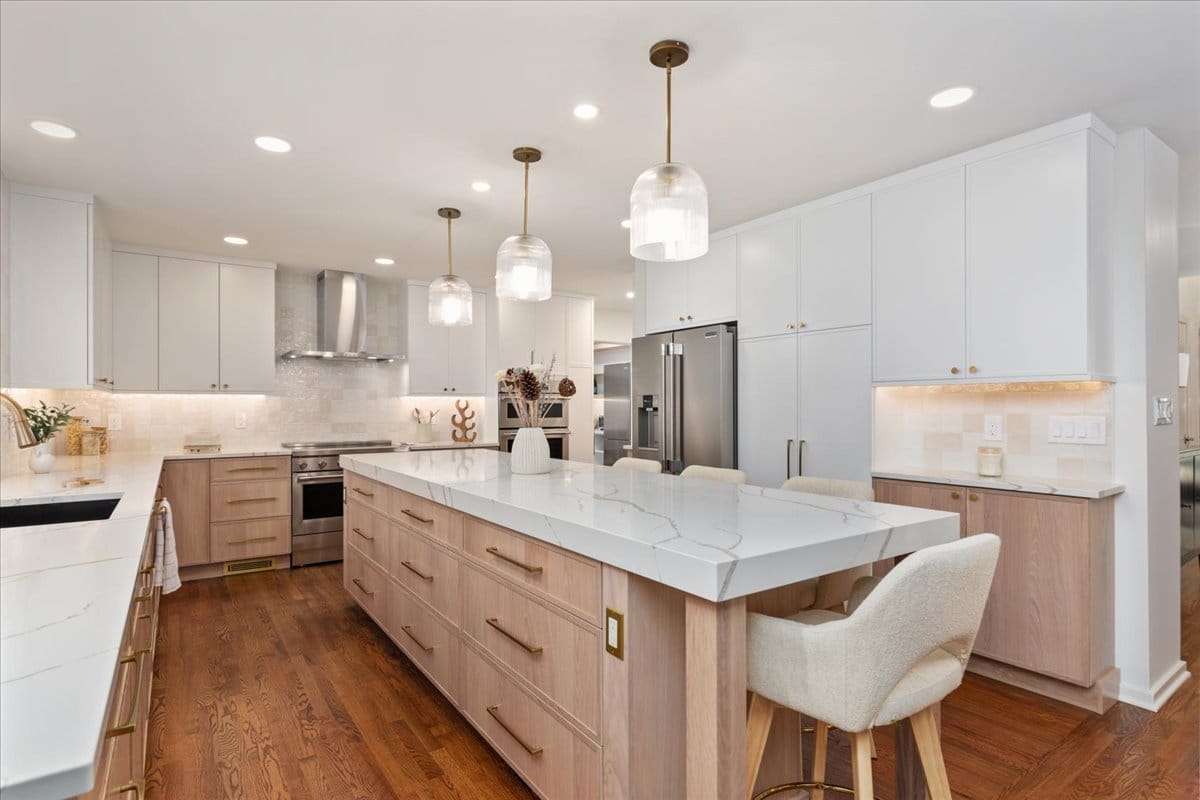

For more photos of this kitchen and main-level remodel here

Written By: Synergy Design & Construction

When most people picture a remodel, the focus is usually on what the space will look and feel like right now. Maybe it’s the kitchen you’ve always wanted, a basement finally finished, or a bathroom retreat designed for relaxation. Those upgrades are exciting, but the remodels that have the biggest impact go beyond today’s wish list. They’re designed to keep working for you five, ten, or even twenty years down the road.

Remodeling is a major investment, and with thoughtful planning, your home can evolve with you, supporting your needs and lifestyle through every stage of life.

What “Future-Ready” Really Means

Designing a home that grows with you means more than picking finishes or following trends. While design choices shape how a space looks, long-term value comes from creating something timeless and functional, spaces that can adapt as life changes.

Families expand, careers shift, and priorities evolve. A home office may need to double as a guest room, or a kitchen that feels just right today might need to serve a busier household in the future. Thinking beyond the present helps you build a foundation that saves you from costly updates later.

Flexible Spaces That Evolve

One of the best ways to prepare your home for the future is to create spaces that serve more than one purpose. Basements are a great example. With thoughtful planning, they can start out as a colorful playroom, later become a teen hangout, and eventually transition into a gym, media room, or even an in-law suite.

For more photos of this basement remodel, here

Other rooms can be designed with the same flexibility in mind. A dining room that opens up for entertaining, or a home office that doubles as a guest room, keeps those spaces useful and relevant no matter how life shifts. Even the layout and storage matter; open living areas work best when you include defined zones and built-ins that can be reconfigured over time.

Choosing Materials and Features That Last

Beyond flexibility, the materials and features you choose will shape how well your home stands up to daily life.

Universal design elements like curbless showers, wider doorways, layered lighting, and accessible outlets make everyday living easier while preparing your home for the future.

Durability matters too. Countertops that resist scratches, cabinetry built to last, and flooring designed to handle high traffic are all smart investments.

Sustainable choices such as energy-efficient appliances, eco-friendly finishes, and better insulation reduce your environmental footprint while also lowering household costs.

Adaptable technology like smart lighting or thermostats, lets you stay current without needing major renovations every time technology advances.

Remodeling With the Future in Mind

Remodeling with the future in mind does more than create a beautiful home for today. It reduces the need for frequent updates and gives you confidence that your home will continue to feel supportive and comfortable as your needs change.

With the right design and planning, your home can provide flexibility, durability, and comfort for years to come. Whether it’s a basement, a kitchen, or a whole-home transformation, approaching your remodel with tomorrow in mind helps ensure your investment is one you’ll enjoy well into the future.


View More Stories