


Rising education and debt-service costs and the desire to retain a competitive pay scale have contributed to a proposed 4.5% increase in the City of Fairfax’s budget.
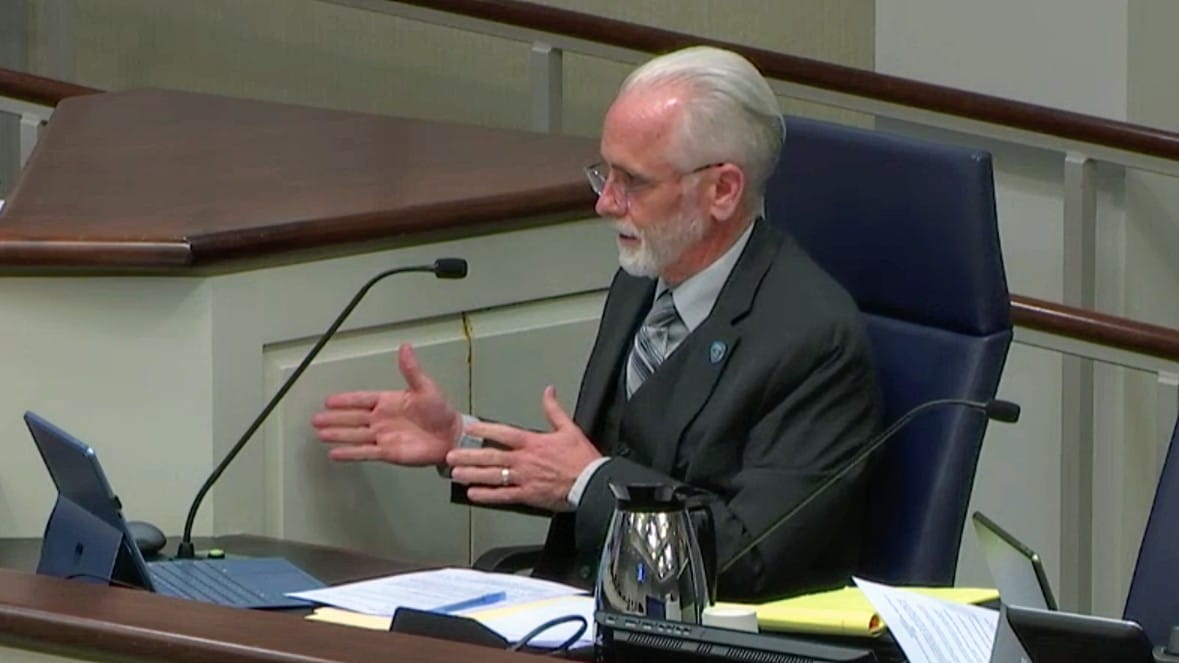
City Manager Daniel Alexander detailed a $207.5 million fiscal 2027 year spending package on Feb. 24 that includes a host of tax increases but no new or expanded programming.
“This is a stability budget, focused on sustaining core operations and meeting commitments,” Alexander said during a presentation to the City Council.
“It protects core service delivery,” he said.
The proposal calls for raising the city’s property tax rate by 2.5 cents, from $1.055 to $1.08 per $100 assessed valuation. For a homeowner with a property valued last year at $1 million, real estate taxes would rise 7.1% in FY 2027 — from $10,550 to $11,297 — as a result of the higher tax rate and rising average assessments.
The meals tax would rise from 4% to 4.5%, stormwater fees would go up 5% and wastewater collection rates would rise 6%, under Alexander’s proposal.
All city employees would receive a 3% salary adjustment and 1% cost-of-living adjustment, while public safety employees would receive additional “step” increases based on their length of service.
Nearly 40% of the city’s budget is devoted to paying Fairfax County Public Schools for educational services, which is expected to total $76.4 million for the coming year.
Over the past decade, per-student costs charged by the county to the city for education services have risen from $14,436 to $22,374 — an increase of 55%, according to city officials.
The city had about 3,000 students in FCPS immediately before the pandemic. After an initial decline, enrollment is rising again and is expected to be about 3,100 students in the next school year.
To address increasing costs, Alexander’s plan calls for using $5 million in reserve funds to balance the budget. There will be no net increase in staffing compared to the current fiscal year.

The budget presentation was the first for Alexander, who was recruited last year from Prince William County to serve as city manager.
He arrived to serve a community where just under 70% of all assessed real estate valuation is concentrated in the residential sector.
That figure, Alexander says, “reinforces the importance of long-term diversification” in the tax base and alternative tax options.
As is typical, city council members did not address the budget proposal at the Feb. 24 meeting.
“There will be plenty of work sessions and opportunities in the coming months for us here on the dais and the public to address the budget that is presented,” Mayor Catherine Read said.
The next step will be a work session set for Tuesday (March 3) between the city council and school board. Final budget adoption and the setting of tax rates is set for May 5.
