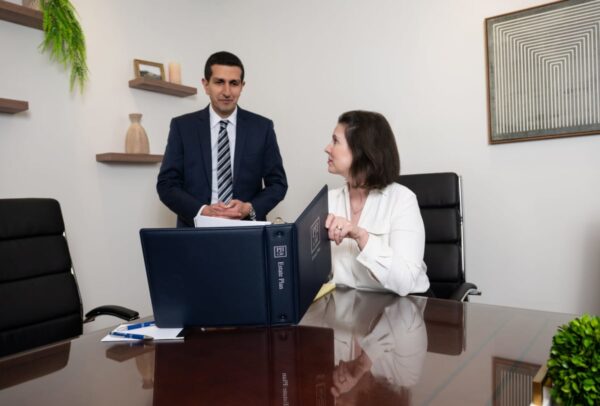
When a loved one passes away, families often face difficult decisions about funeral arrangements, finances, and the distribution of property. One common question is whether having a will automatically means the estate must go through probate.

Not necessarily. Whether probate is required in Virginia depends largely on how the deceased person’s assets were owned and whether those assets have another method of transferring to heirs or beneficiaries.

Understanding when probate is required—and when it can be avoided—can help families navigate estate administration with greater confidence.

What Is Probate in Virginia?

Probate is the legal process used to administer certain assets belonging to a deceased person, or decedent. In Virginia, probate generally takes place through the circuit court in the city or county where the decedent lived.

When probate is necessary, the court recognizes the will, if there is one, and appoints a personal representative to handle the estate. The personal representative is responsible for identifying and collecting assets, addressing valid debts and taxes, and distributing the remaining property according to the will or Virginia’s intestacy laws.

Importantly, having a will does not automatically mean every asset must pass through probate. A will generally controls probate assets, while certain property passes directly to another person through ownership arrangements or beneficiary designations.

When Is Probate Required?

Probate is generally necessary when someone dies owning assets in their individual name that do not have another method of transferring ownership.

Examples can include:

  • Real estate owned solely by the decedent
  • Bank accounts without joint ownership or beneficiary designations
  • Vehicles, jewelry, collections, or other personal property owned individually

In these situations, probate may be necessary to give the personal representative authority to transfer or distribute the property.

When Is Probate Not Required?

Some assets can transfer automatically after death and therefore may not need to pass through probate.

Jointly owned property: Assets held jointly with rights of survivorship generally pass to the surviving owner.

Beneficiary-designated accounts: Life insurance policies, retirement accounts, and certain bank accounts can pass directly to the beneficiaries named on the account.

Revocable living trusts: Assets properly transferred into a revocable living trust generally avoid probate because the trust owns the property rather than the deceased individual.

Virginia also provides a simplified option for certain small estates. Under Va. Code § 64.2-601, qualifying personal property valued at $75,000 or less may be transferred using a small estate affidavit rather than a full probate proceeding, provided the statutory requirements are satisfied.

This simplified procedure applies to qualifying personal property, not real estate, and can be particularly useful when an estate consists of modest assets such as a bank account or vehicle.

What Happens When Probate Is Required?

When probate is necessary, the personal representative must complete several steps before the estate can be closed. These typically include identifying and valuing estate assets, filing the required inventory, addressing creditor claims and taxes, and distributing assets to beneficiaries.

Virginia also imposes deadlines for certain estate filings. The inventory generally must be filed within four months after qualification, while the first accounting is generally due within 16 months.

(more…)


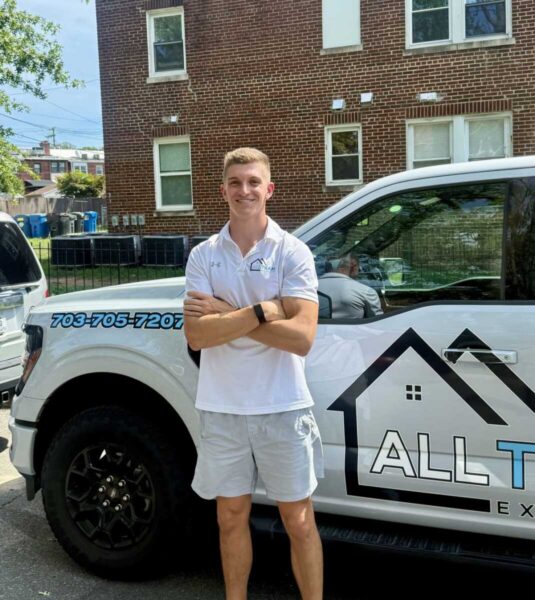
Incredibly excited to wrap up an awesome first summer. I’ve learned a lot, and I thought I’d share some of those lessons with you.

1. Hiring a JMU intern is a great idea.

This summer we were lucky enough to hire a young man from Woodbridge named Owen, who is a rising senior at JMU. He was exactly the spark we needed to help us push through our first busy summer season. We’ve already made him a job offer for next summer when he graduates, and we’re hopeful he’ll join us full-time.

2. People are generally helpful and want to see you succeed when you’re first starting out.

Over the summer, I was amazed by how many people wanted to help me get a strong start in my business. There were definitely times when I knew folks might not need a new roof, but they were still kind enough to let me come by, take a look, and give them a free estimate just in case. It was inspiring and motivating to know that there are strangers out there who don’t even know me but still want to see me win.

3. Hard work solves most problems.

From the beginning, I’ve been honest about having a lot to learn in this industry. What I’ve come to find is that even when I don’t know exactly what I’m doing, hard work will still often get me to the right result. When in doubt, just keep pushing. This is something I’ll remember as more hard times come and as we get ready to go through the cold winter season.

4. Working with property managers and realtors can be a win-win for everyone.

This year, we’ve built some great relationships with property managers and realtors. These folks are hardworking and busy, and the last thing they have time to worry about is a roof for their clients. We’ve worked with them to install new roofs, windows, gutters, doors, and siding on multiple occasions.

5. Some folks will slam the door in your face without thinking twice.

Things aren’t always easy in this game, and I don’t want to paint an overly rosy picture without talking about some of the hard stuff too. As a new person working hard to get your name out there, it can definitely be a little daunting when someone yells at you or slams the door in your face. Luckily, most people are warm and will at least talk to you, and we’ve appreciated that as we navigate these bumps along the way.

6. Most homeowners just want transparency and great customer service.

It’s wild how many contractors out there really can’t be trusted. We’ve come to learn quickly that homeowners just want fantastic customer service and transparency throughout the process. If you can honestly show someone how the process is going to take place and hold their hand a little along the way, you can make almost all of your customers pretty happy.

7. Homeowners taught me more than any training could have.

(more…)


The bakery that knows your order. The pediatrician your kids grew up with. The contractor your whole street recommends. These are the businesses that give Fairfax County its character. The same neighbors who open FFXnow every day are also the people looking to support local businesses in their area.

FFXnow is where Fairfax County turns for local news, reaching 600,000 readers a month and 9 million pageviews a year, making it one of the most-read local news sites in Virginia. People come to keep up with the county, and along the way, they find the businesses that make it run.

Our readers tell us this works. 67% say they’re more likely to support a business that advertises with FFXnow, and 33% have made a purchase after seeing an ad or sponsored article. Next to news your neighbors already trust, your business reads as part of the conversation, not an interruption.

If you own a business in Fairfax County, we’ve got more than one way to get involved, whether you’re introducing your business, promoting an event, or telling your story. And because FFXnow is independent local journalism, your support helps keep Fairfax County informed, too.

If reaching your neighbors has been on your mind, we’d love to help you find the right fit.

Explore every option at lnn.co/advertise, email hello@lnn.co, or call 703-348-0583.


For many Virginia homeowners, the family home is more than an asset. It’s where children grew up, memories were made, and decades of life unfolded. Placing your home in a trust can help protect that legacy while making things easier for your loved ones in the future.

A properly structured and funded trust may help avoid probate, provide continuity if you become unable to manage your affairs, and give your family clear instructions about what should happen to the home. Here’s what Virginia homeowners need to know.

Why Put Your Home in a Trust?

A trust can provide several important benefits:

  • Avoiding probate. If your home is properly transferred to a trust, your successor trustee can generally manage the property without waiting for the probate court to authorize routine decisions.
  • Planning for complex families. Trusts can provide specific instructions for blended families, stepchildren, or inherited property.
  • Privacy. Unlike a will, which generally becomes part of the public probate record, a trust is typically handled privately.
  • Planning for incapacity. If you become unable to manage your affairs, your successor trustee can step in to manage the home or other trust assets.
  • Greater flexibility. You can establish conditions for how and when beneficiaries receive an interest in the property.

A trust isn’t necessarily the right choice for every homeowner, however. The appropriate plan depends on your family, finances, property, and long-term goals.

Step 1: Choose the Right Trust

Virginia homeowners may use several types of trusts, including revocable living trusts, irrevocable trusts, testamentary trusts, special needs trusts, and charitable trusts.

For many homeowners who want to continue controlling and living in their home while simplifying the transfer after death, a revocable living trust may be appropriate. Other situations may call for a different type of trust.

The type of trust you choose can affect control of the property, taxes, creditor protection, and how the property is distributed.

Step 2: Choose the Right Trustee

The trustee manages the property and follows the instructions in the trust. With a revocable living trust, you can typically serve as your own trustee during your lifetime and name a successor trustee to take over if you become incapacitated or die.

Choose someone you trust to handle financial and property matters responsibly. Depending on your circumstances, that could be a family member, friend, or professional trustee.

Step 3: Create the Trust Document

The trust document identifies the person creating the trust, the trustee, the beneficiaries, and the rules governing the trust.

Because your trust should reflect your specific circumstances and comply with Virginia law, working with an experienced Virginia trust attorney can help avoid vague language, missing provisions, or other problems that could create confusion later.

Step 4: Sign and Notarize the Trust

Once the trust is drafted, you’ll sign the document according to the requirements of your estate plan. Notarization is generally recommended because it helps establish the authenticity of the document and can reduce the risk of challenges later.

Your attorney can make sure the signing process is completed properly.

(more…)


View More Stories