

A new regional study warns that the D.C. area could face water shortages as early as 2030 if a severe drought hits.
The report, released by the Interstate Commission on the Potomac River Basin (ICPRB) last Friday (Dec. 5), says shifting weather patterns and rising demand are putting increasing pressure on the region’s supply.
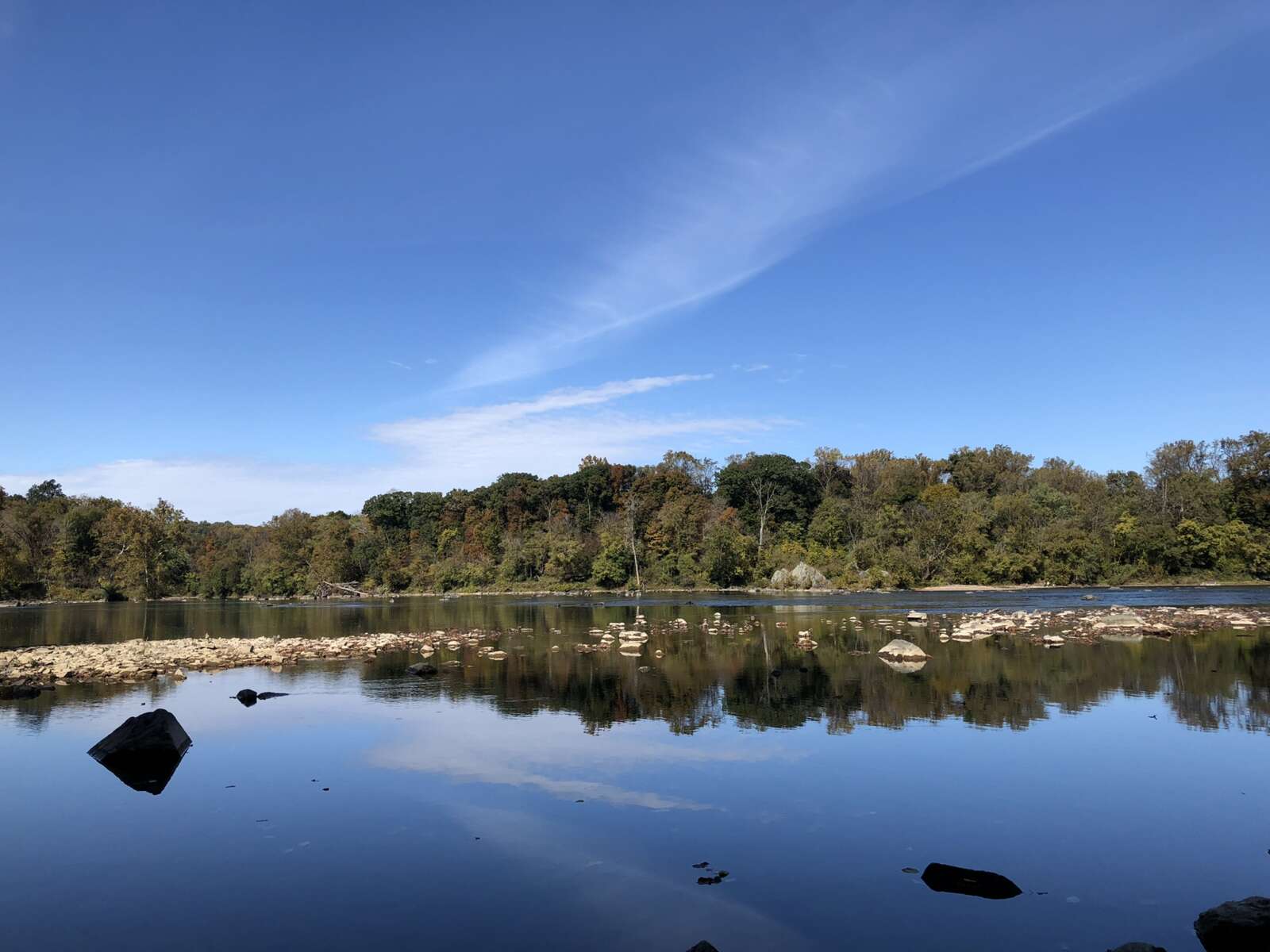
The assessment was conducted on behalf of Fairfax Water, WSSC Water and the Washington Aqueduct. Though the region relies primarily on the Potomac River for its water supply, Jennings Randolph and Little Seneca are two upstream reservoirs can release water to boost flow if the river gets too low and cannot keep up with demand, according to the report.
Fairfax Water also utilizes the Occoquan Reservoir, and WSSC Water has the Patuxent reservoir to meet demand.
Although the region will have plenty of water in most years, the report notes a rising risk of shortages — about 1% by 2030 and up to 5% by 2050. That could occur when demand becomes too high to keep enough water flowing in the Potomac to protect the sensitive habitat below Little Falls Dam.
“Four out of nine modeled scenarios predict that in the event of an extreme drought, the upstream reservoirs will run out of water as early as 2030, indicating that short-term measures should be taken to improve reliability,” the study reads.
The report shows that overall water use in the region has remained largely stable for decades, even as the population has grown significantly — thanks in part to widespread adoption of low-flow fixtures and appliances. Still, researchers project that demand will rise in the coming years, estimating a 17% increase in water use by 2050.
The commission also warns that predicted changes in temperature and precipitation could affect the river’s flow through a process it describes as “hot drought.”
“Rising temperatures will tend to decrease flows due to increases in evaporation, while predicted increases in precipitation will tend to increase flows,” Cherie Schultz, director of ICPRB’s Section for Cooperative Water Supply Operations on the Potomac, said in a release.
For the first time, the study also evaluated the impact of data centers on the area’s water resources, finding that data centers in the Washington metropolitan region could consume up to 80 million gallons on peak days by 2050.
“The report notes that balancing energy, water, regulations, and infrastructure constraints may be needed to strengthen resiliency in this sector,” the report says. “One step forward would be to improve transparency around data center water use.”
The study highlights the need for short-term solutions and notes that some efforts are already underway, including plans by Fairfax Water to turn quarries in Lorton currently used by Vulcan Materials into a future reservoir. The Edgemon Reservoir is expected to be operational by 2040.
