

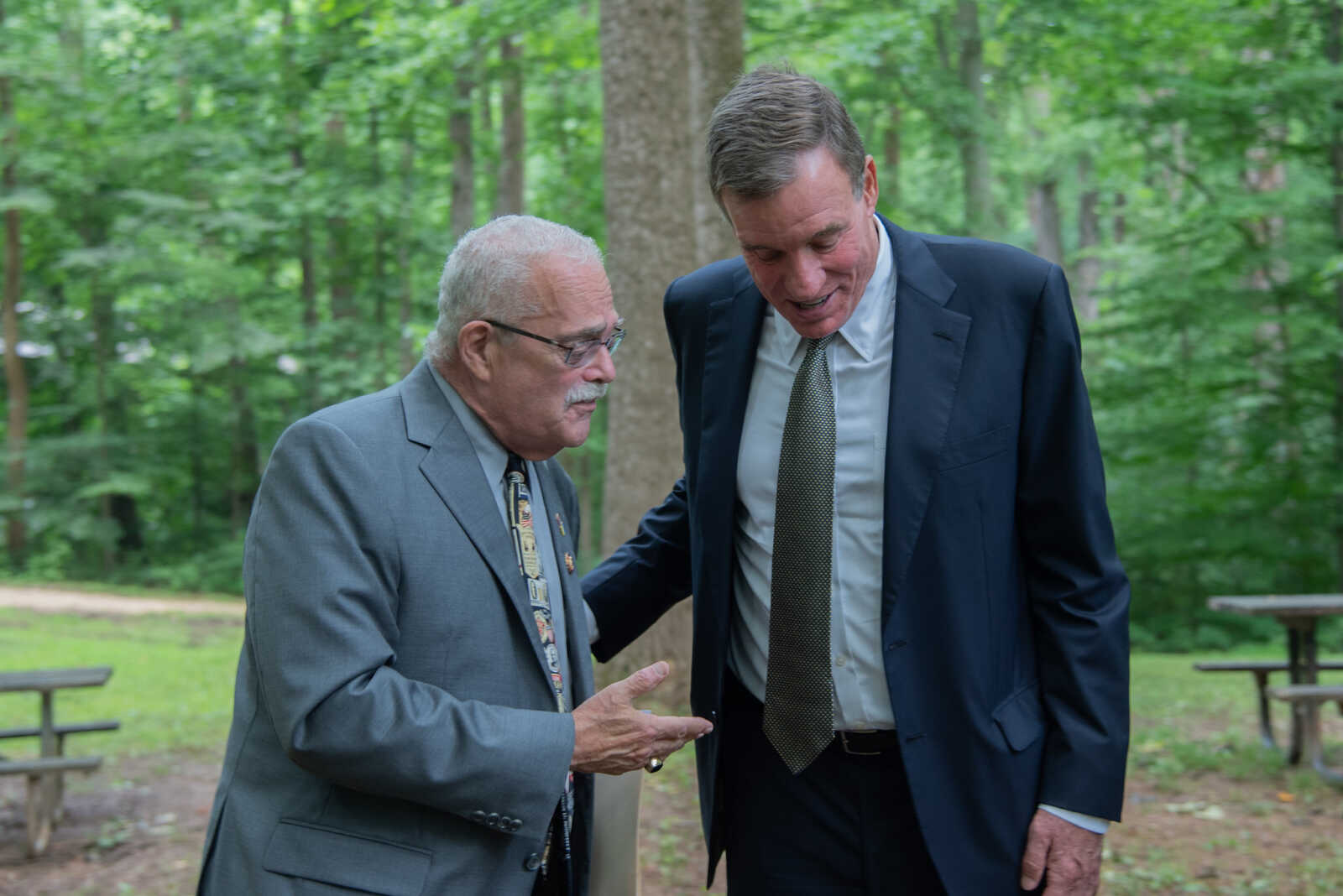
The final bill introduced by the late Gerry Connolly dealt with the disease that took his life early in his ninth term representing Virginia’s 11th Congressional District.
In a rare moment of unity, the Senate voted unanimously yesterday (Wednesday) to support the Gerald E. Connolly Esophageal Cancer Awareness Act, sending the bill to President Donald Trump almost a year after it passed the House of Representatives on June 3, 2025.
“I am thrilled that the Senate passed Gerry’s final bill unanimously, following House passage last year, and sent it to the President’s desk,” said Rep. James Walkinshaw, who was elected last September to take over his longtime mentor’s seat in Congress. “Gerry spent his life and career in public office making government work better for people. This bill is an example of just that.”
A prominent figure among local Democrats, Connolly served on the Fairfax County Board of Supervisors for more than a decade — first as Providence District supervisor and then as its chairman — before he was first elected to represent part of the county in Congress in 2008.
Just two days after winning reelection in November 2024, Connolly announced that he had been diagnosed with esophageal cancer, a relatively rare form of cancer that occurs in tissue of the esophagus that carries food from the throat to the stomach.
While undergoing treatment, he continued to serve in Congress, helping lead the Democratic Party’s opposition to Trump as its top member on the House Oversight Committee. But he announced in April 2025 that he would relinquish that position and not run in the 2026 midterm elections.
Connolly ultimately died from his cancer at his home in Mantua one year ago on May 21, 2025. He was 75.
Only two days before that, Connolly introduced the Esophageal Cancer Awareness Act, which directs the Government Accountability Office to develop a report for Congress on how much the federal government spends on esophageal cancer-related health care for current and retired employees, and how often those at high risk of contracting the disease undergo screenings.
The bill’s goal is to give lawmakers a better understanding of how esophageal cancer affects federal workers and their access to care, including early screenings and treatment, according to Virginia Sen. Mark Warner’s office.
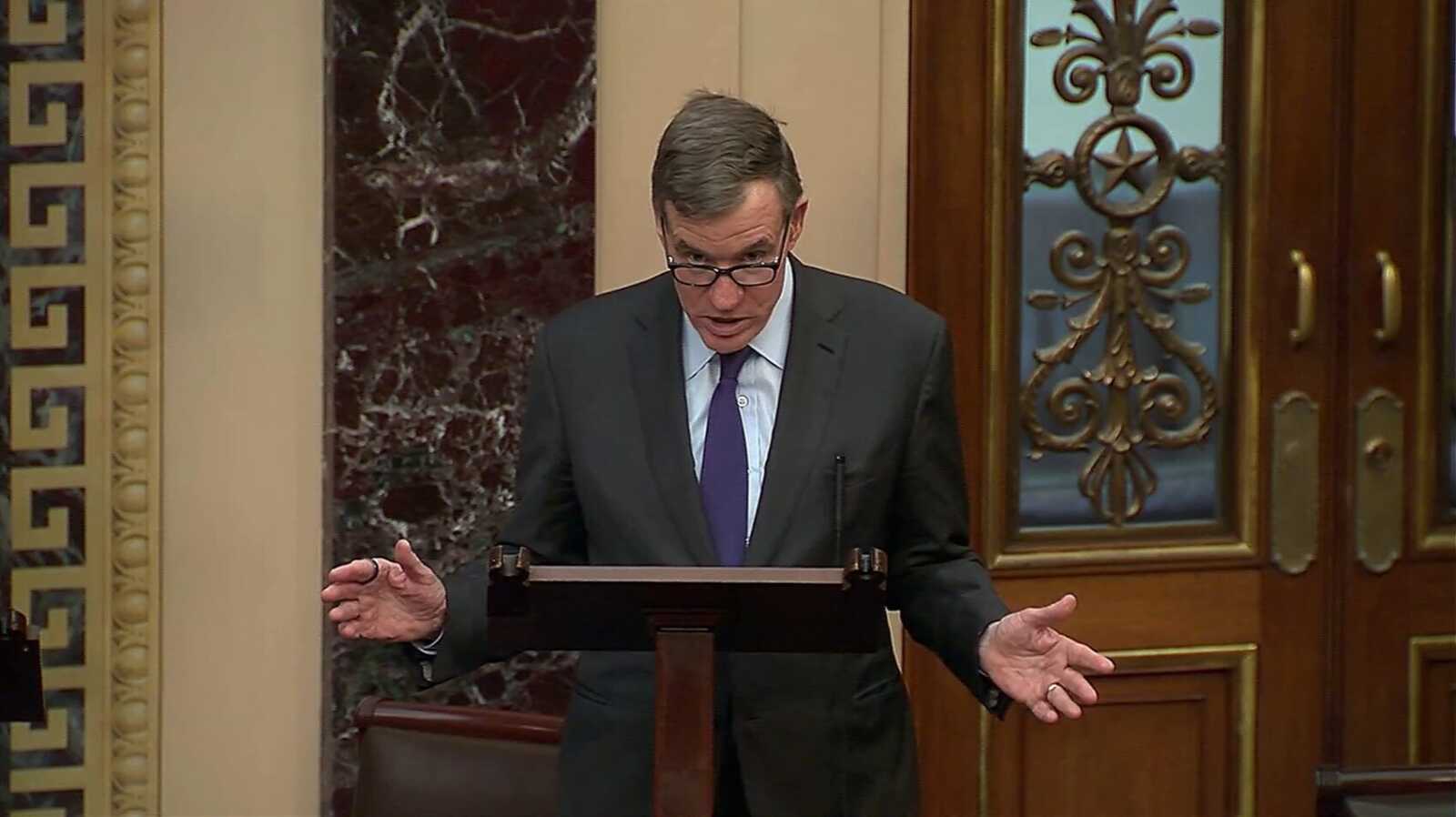
“Federal employees lost a leader who never, ever stopped fighting for them — never stopped fighting for their rights, never stopped fighting for their due process, and never stopped making the case to Americans the value federal workers bring to our everyday lives,” Warner said on the Senate floor when asking the chamber to unanimously approve the legislation.
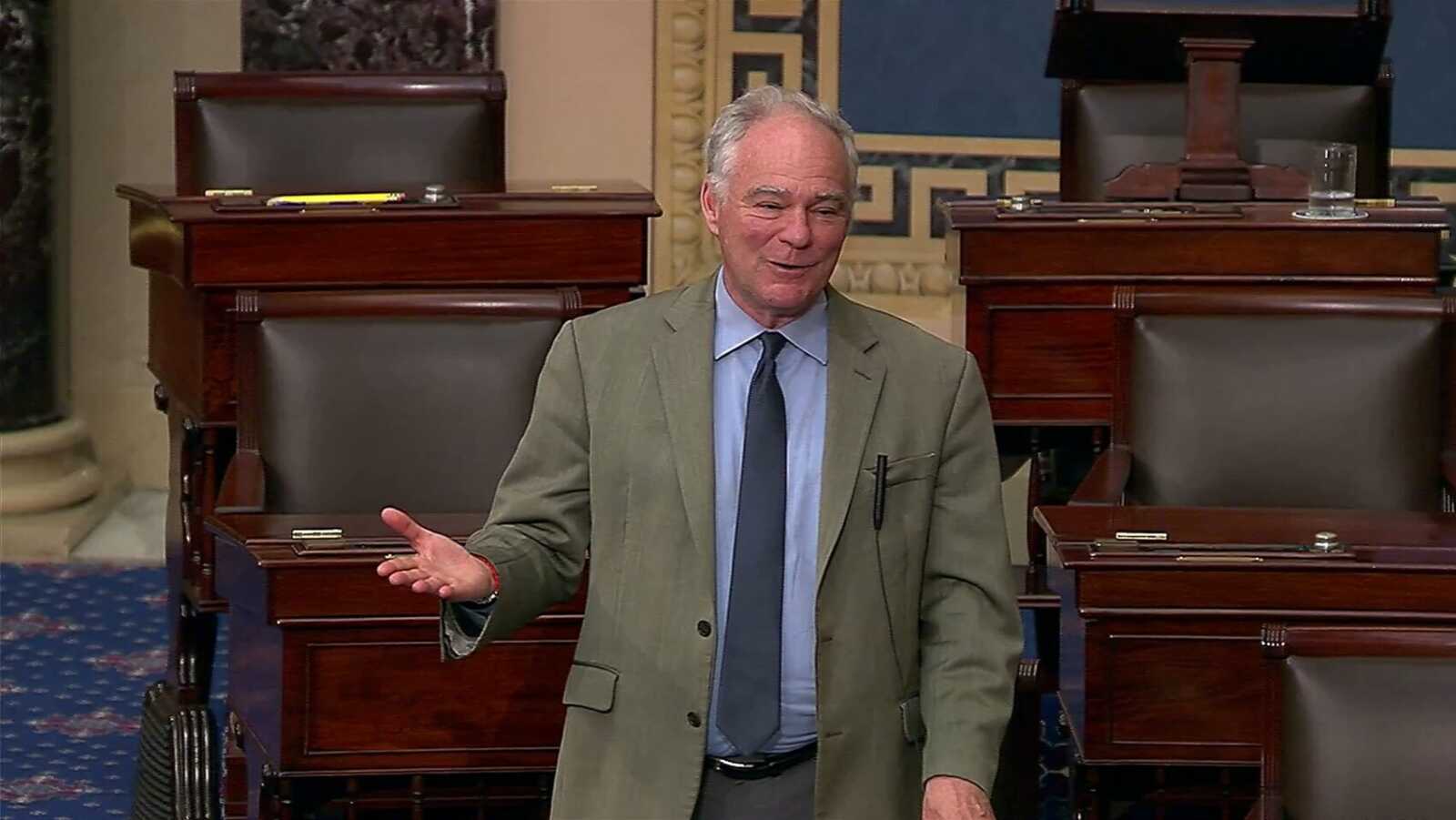
Fellow Virginia Sen. Tim Kaine similarly used the occasion to honor the late Congressman as both a “great public servant” and a “very fun and colorful guy” who “took pride” in his Irish Catholic heritage.
“As Mark said, his St. Patrick’s Day parties were absolutely legend in Virginia, and he was a tireless advocate for so many,” Kaine said.
According to the National Cancer Institute, esophageal cancer is more common among men, and studies have identified smoking and heavy alcohol consumption as factors that increase the risk of getting the disease. Symptoms include difficulty swallowing, weight loss, a pain behind the breastbone, coughing, indigestion and a lump under the skin.
An estimated 22,530 people in the U.S. were diagnosed with esophageal cancer in 2025, and 16,290 people died from it. The five-year survival rate for those living with the cancer is just 22.2%.
“This was the condition that claimed Gerry’s life, but how powerful that even two days before he died, he was trying to advance our understanding of this,” Kaine said. “Esophageal cancer is the fastest-growing cancer among men in the United States. We’re not exactly sure why. We can get more data and do more analysis of this and then provide options for care should this resolution pass.”
Congress is also considering a resolution to rename the U.S. Post Office at 10660 Page Avenue in Fairfax City after Connolly. Introduced in the House by Walkinshaw and in the Senate by Kaine, the measure was advanced by the House Committee on Oversight and Government Reform on a 38-2 vote on Dec. 2, 2025.
