


In 1944, eight young black women boarded a segregated bus heading from Fairfax County to D.C. and sat in the front area, setting in motion a fierce challenge to Virginia’s Jim Crow laws.
The Howard University students’ story is the subject of a new, nine-minute documentary released last week by NOVA Parks and Howard University, “The Student Bus Protest That Challenged Jim Crow.”
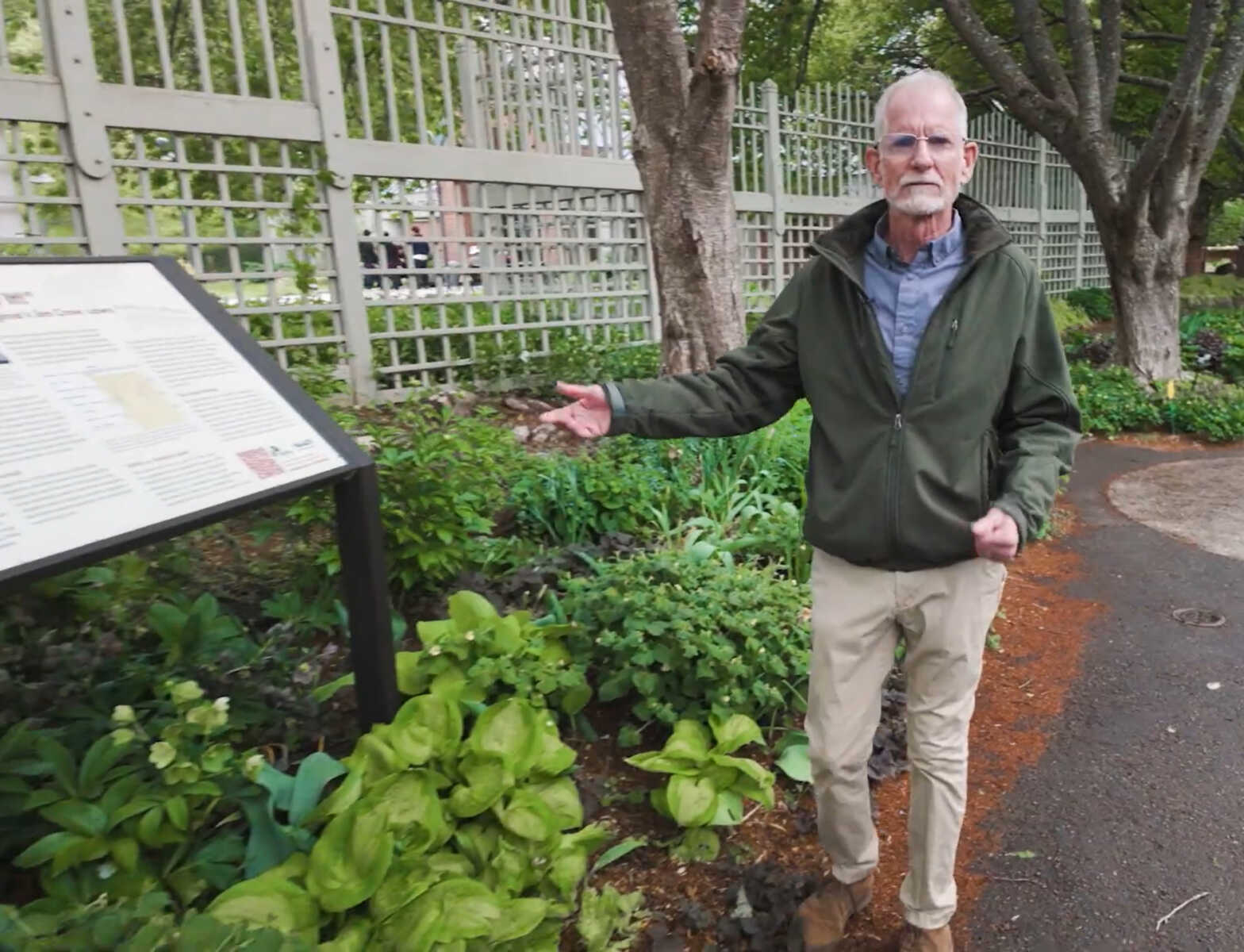
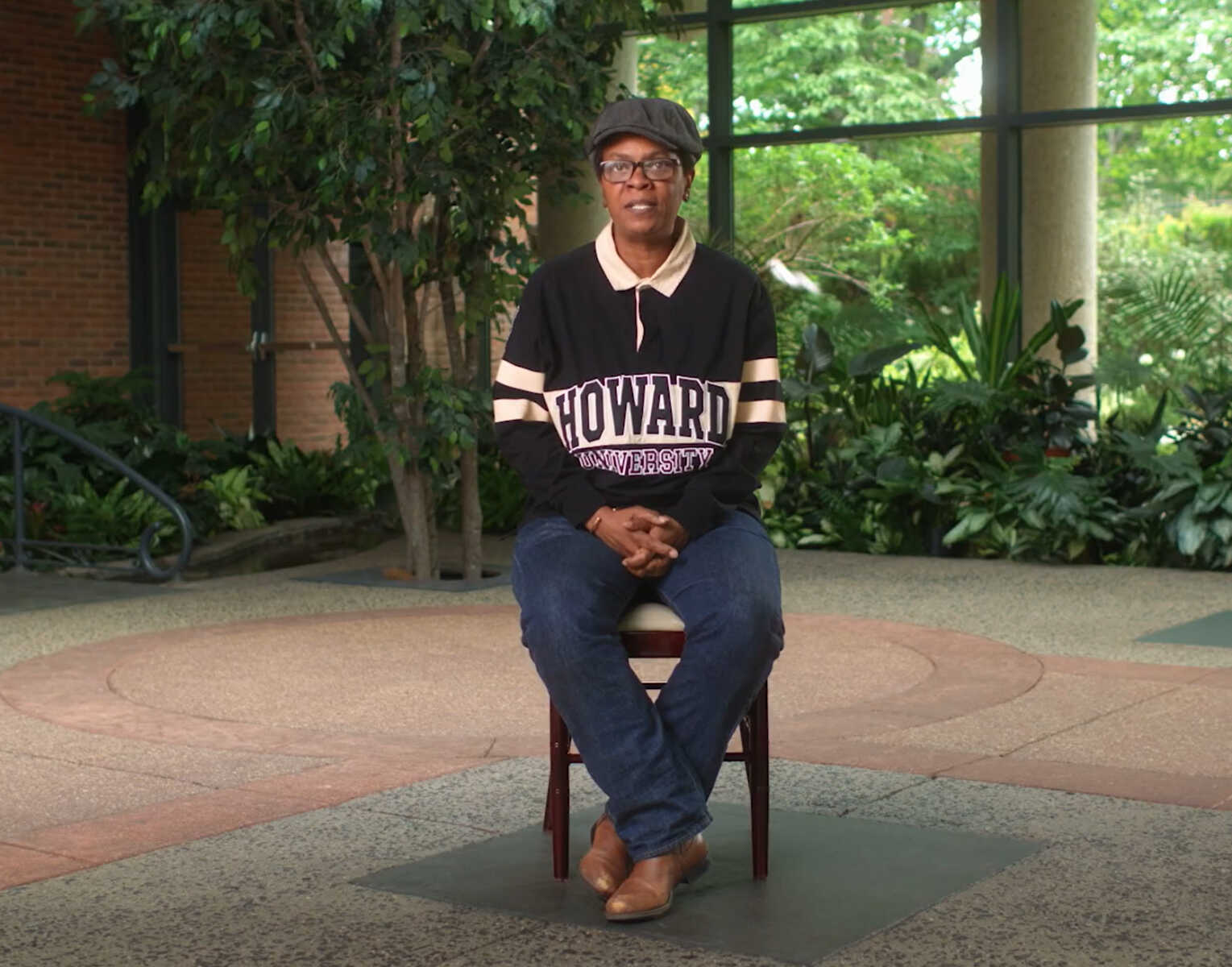
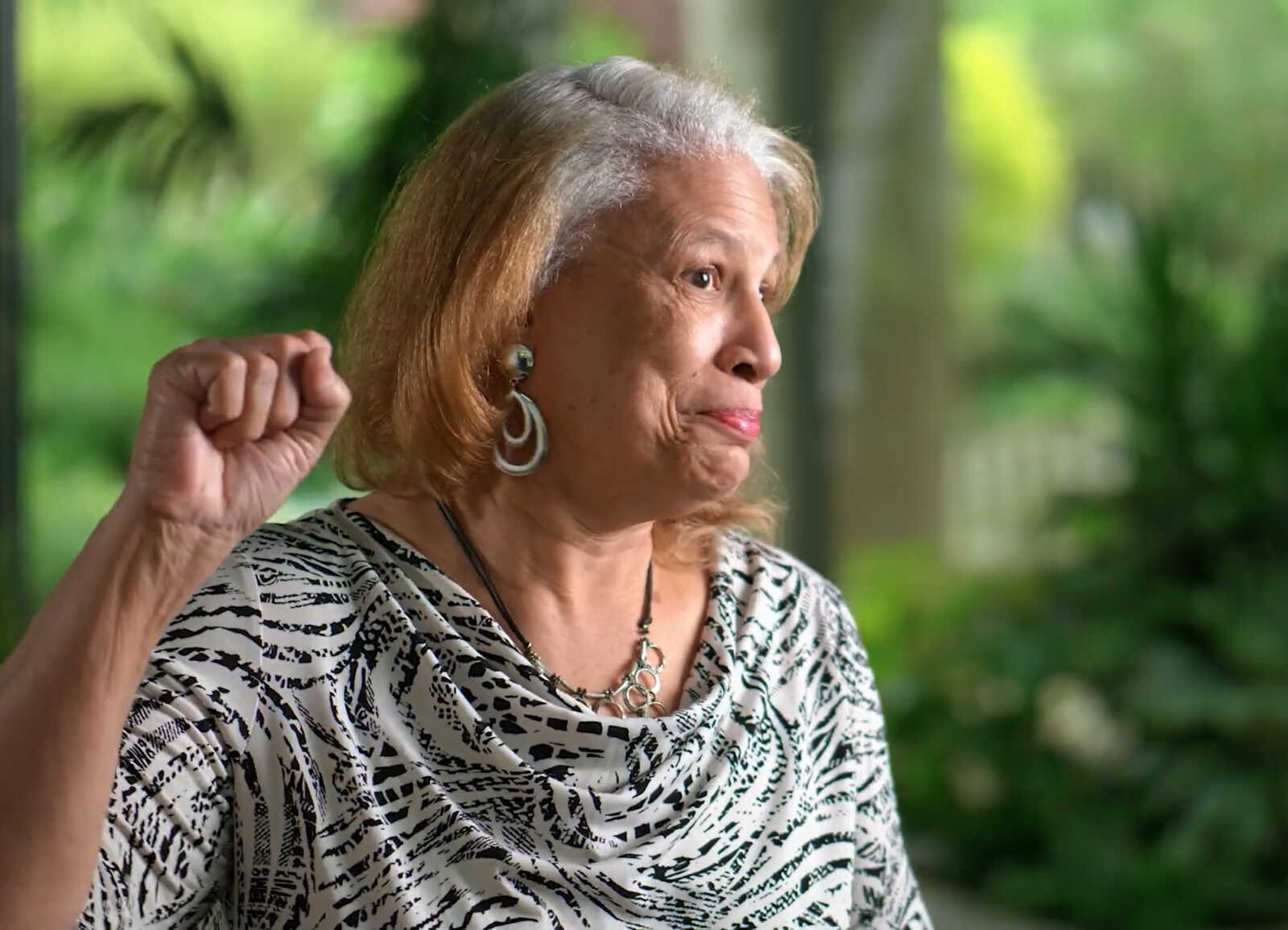
The video features the research and storytelling of NOVA Parks historian Paul McCray and Howard University historian Sonja Woods, and an interview with Styllene Curtis Boyd, whose mother Ruby O’Hara Boyd was involved in the protest.
“I was immediately intrigued when I learned about these remarkable events, but I was not surprised,” said Benjamin Talton, executive director of the Moorland-Spingarn Research Center at Howard. “What these young women did in 1944, refusing to yield their seats, accepting arrest, and forcing a legal confrontation that ultimately helped dismantle Jim Crow transportation laws, tracks with the tradition of Howard women as fearless and determined for justice and social change.
“The Moorland-Spingarn Research Center exists precisely to ensure that stories like this one are brought to the public’s attention,” Talton said. “I am pleased that NOVA Parks launched this historic initiative and partnered with Howard University to bring it to fruition.”
The eight students’ protest took place after they attended a picnic hosted by Caroline Ware, a constitutional history and social sciences professor at Howard, at her Vienna farm, which was donated to NOVA Parks decades later and renamed Meadowlark Botanical Gardens.
As recounted in the video, Angela Jones, an upperclassman, got on first and headed to the back of the bus. Ruby O’Hara Boyd boarded second and immediately sat behind the driver. At that point, Jones turned around, saw the others sitting down in the front one by one, and headed to the front.
At that point, the bus driver turned around, noticed what was happening, and ordered the women to go to the back of the bus. One of them stated that it was an interstate bus, so they could sit anywhere. After the driver insisted, the women held their ground and the driver left to call the police.
The eight students conferred and decided that only the four upperclassmen would stay in the front to face arrest. When the police arrived, Marianne Musgrave, Ruth Powell, McLemore and Jones were taken to the Fairfax County jail.
Caroline Ware raised $400 to bail them out, came to pick them up and put her farm up as bail security. Leon Ransom and Charles Hamilton Houston, who were NAACP lawyers and faculty at Howard University, represented them in the ensuing legal fight. The women were ultimately convicted by the Fairfax County Circuit Court.
They hoped to fight their conviction at the U.S. Supreme Court. But before their case was heard for a state level appeal, the Fairfax commonwealth’s attorney dropped the charges — most likely because he feared that the court would be heard by the Supreme Court and the Jim Crow law would be overturned, the film notes.
One year later, a similar case did make its way to the court, and Virginia’s Jim Crow transportation law was overturned for buses coming into or out of the state.
Ultimately, the Howard students’ protest “was one of the cracks in the wall of racial oppression and segregation,” McCray notes in the film. Eleven years after they were arrested, Rosa Parks’ protest would set off the Montgomery bus boycott and make national history.
The protest received renewed attention in recent years after McCray found references to the protest in Ware’s letters, and began sifting through historical documents, such as court and arrest records. A sign honoring the student protest was installed at Meadowlark Gardens in 2025.
