

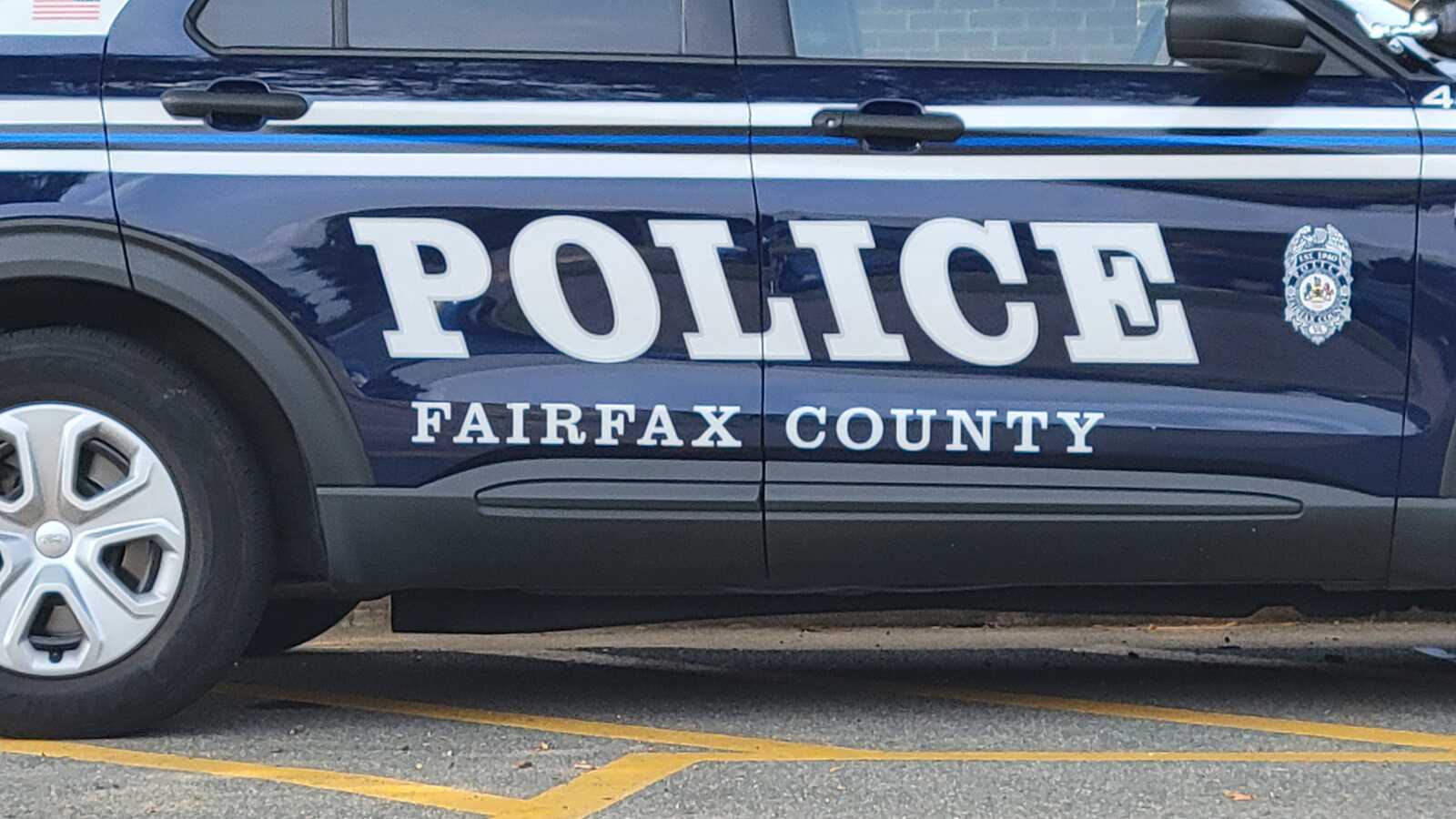
The Fairfax County Board of Supervisors voted yesterday (Tuesday) to adopt a code amendment that would address the issue of criminal blight, which Virginia law defines as criminal activity on property that endangers the public health or safety of residents.
The new ordinance will be enforced through a multi-step process that starts with law enforcement identifying and investigating a property where there are recurring issues with drugs, prostitution or guns being discharged.
Police officers can then send an affidavit to the property owner requiring them to take “corrective action,” which could include policy changes or efforts to remove, repair or secure their building, according to a staff report.
But if the property owner doesn’t take any corrective actions after 30 days, they’re given a second notice with a deadline for when the county government may take its own corrective action or commence legal action in court to address the criminal blight condition. If that corrective action still hasn’t taken place, then Fairfax County has the authority to act and charge the property owner with any required costs.
During a presentation at the Board of Supervisors’ public hearing, Patrick Fultz, assistant county attorney, mentioned that at least 10 other jurisdictions since 1994 have enacted full or partial ordinances to address criminal blight, including Alexandria, Hampton, Portsmouth, Fredericksburg, Virginia Beach, Charlottesville, and Newport News.
“The benefits of this ordinance amendment include a streamlined process to address criminal blight conditions, a new civil process to address criminal blight, thus reducing burdens on law enforcement and the criminal justice system, and a process that sets clear timelines for property owners to undertake corrective actions,” Fultz said.
Mount Vernon District Supervisor Dan Storck introduced this issue to the board in February because of challenges his community faced. He explained to his colleagues during Tuesday’s hearing that the Mount Vernon District had developed an existing process that involved police officers trying to address issues with criminal blight.
However, the district “had to go through the criminal justice system to try to do that, which is not as clear a process as this could be because there’s so many more individuals involved,” Storck said.
“The county really has more tools in its tool shed, if you will, to address what I know has been at least in a couple different situations in the Mount Vernon District, something that really truly made it difficult for the community,” Storck said.
He added that if his district experiences criminal blight again, he hopes this ordinance will have a shorter time period in months instead of more than a year.
With the board’s approval, the amendment will take effect on Oct. 1.
