

After nearly four years of construction, drivers can at last travel the George Washington Memorial Parkway in McLean and Arlington without navigating shifting lanes and work zones.
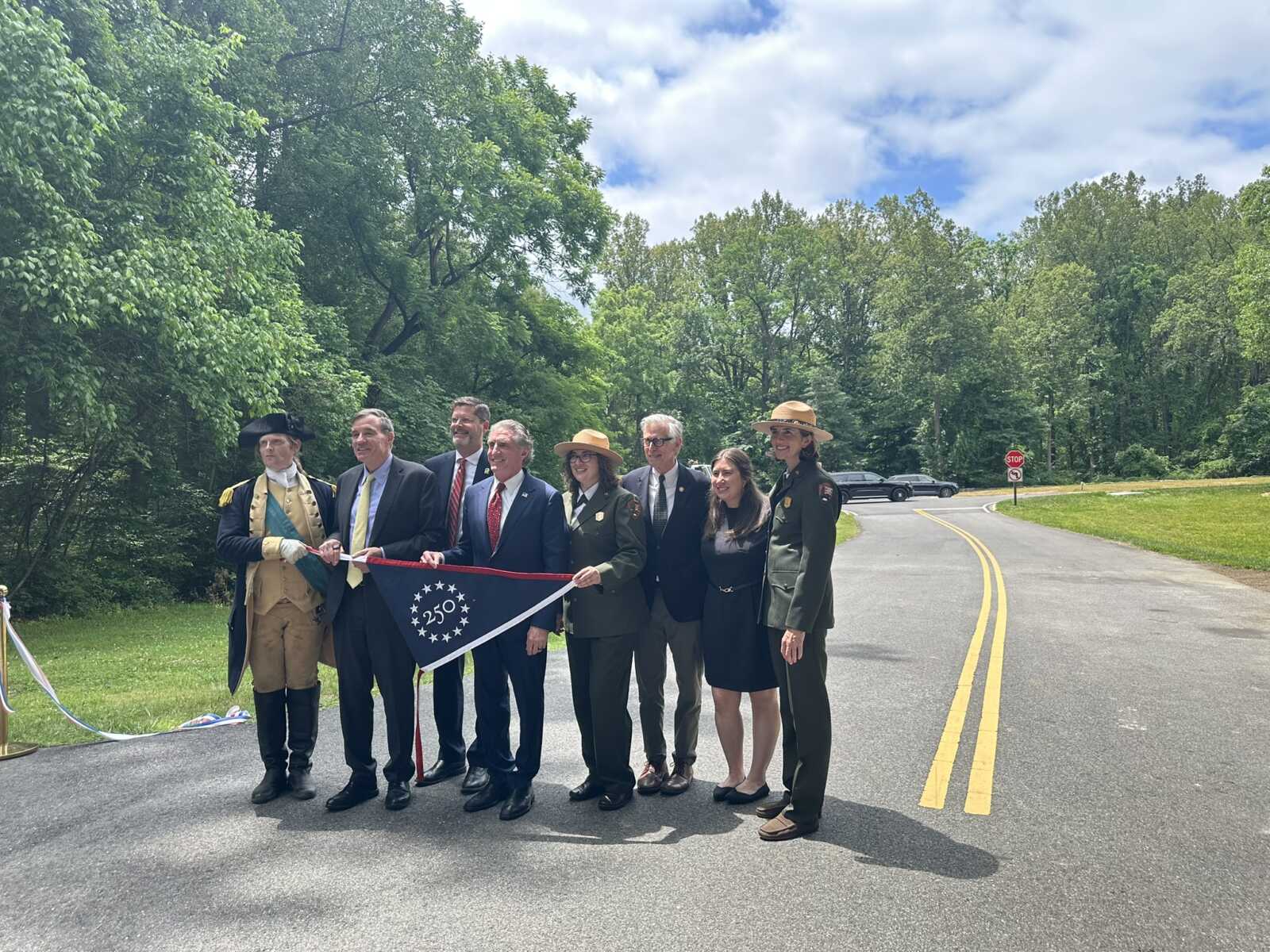
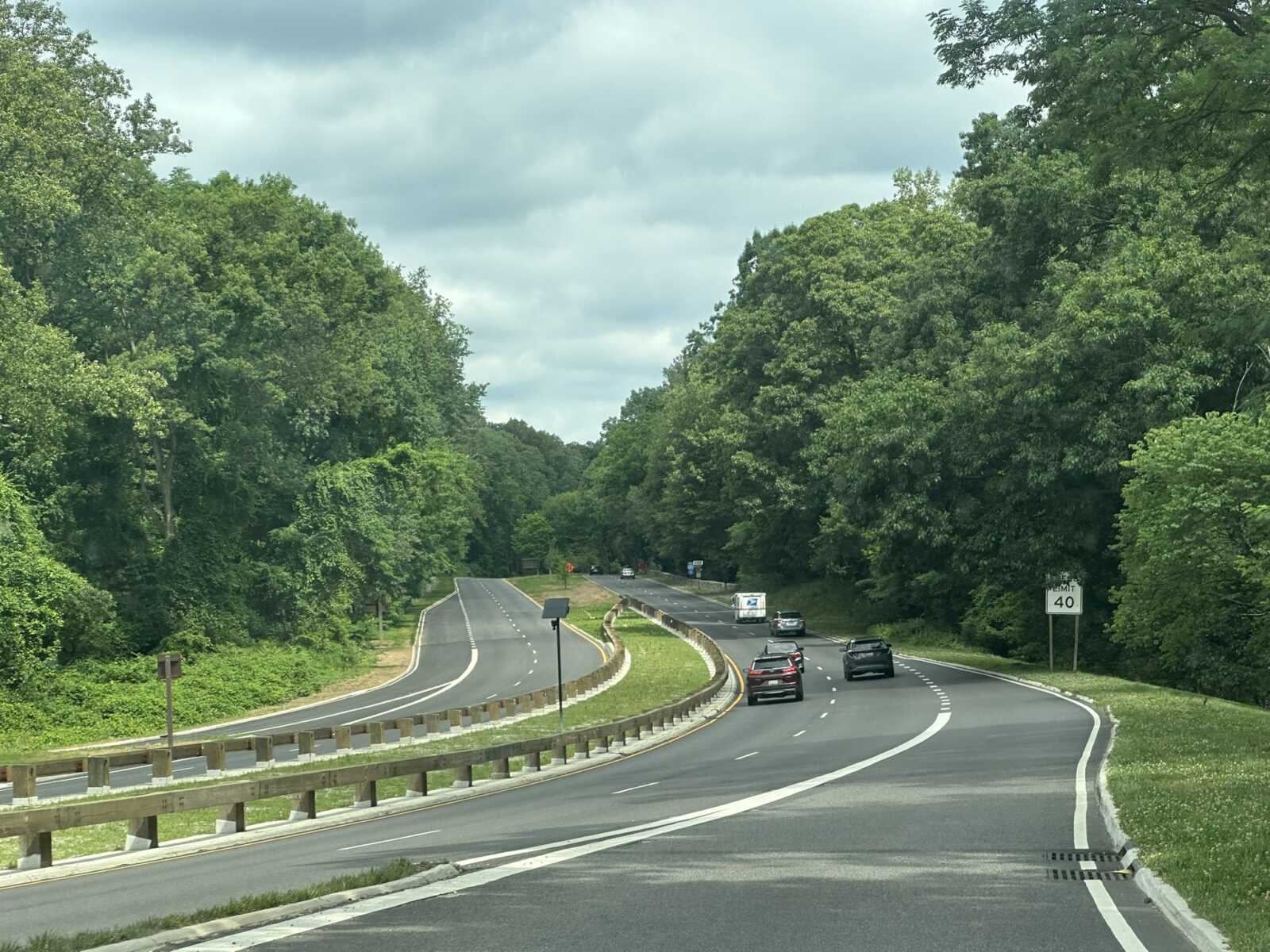
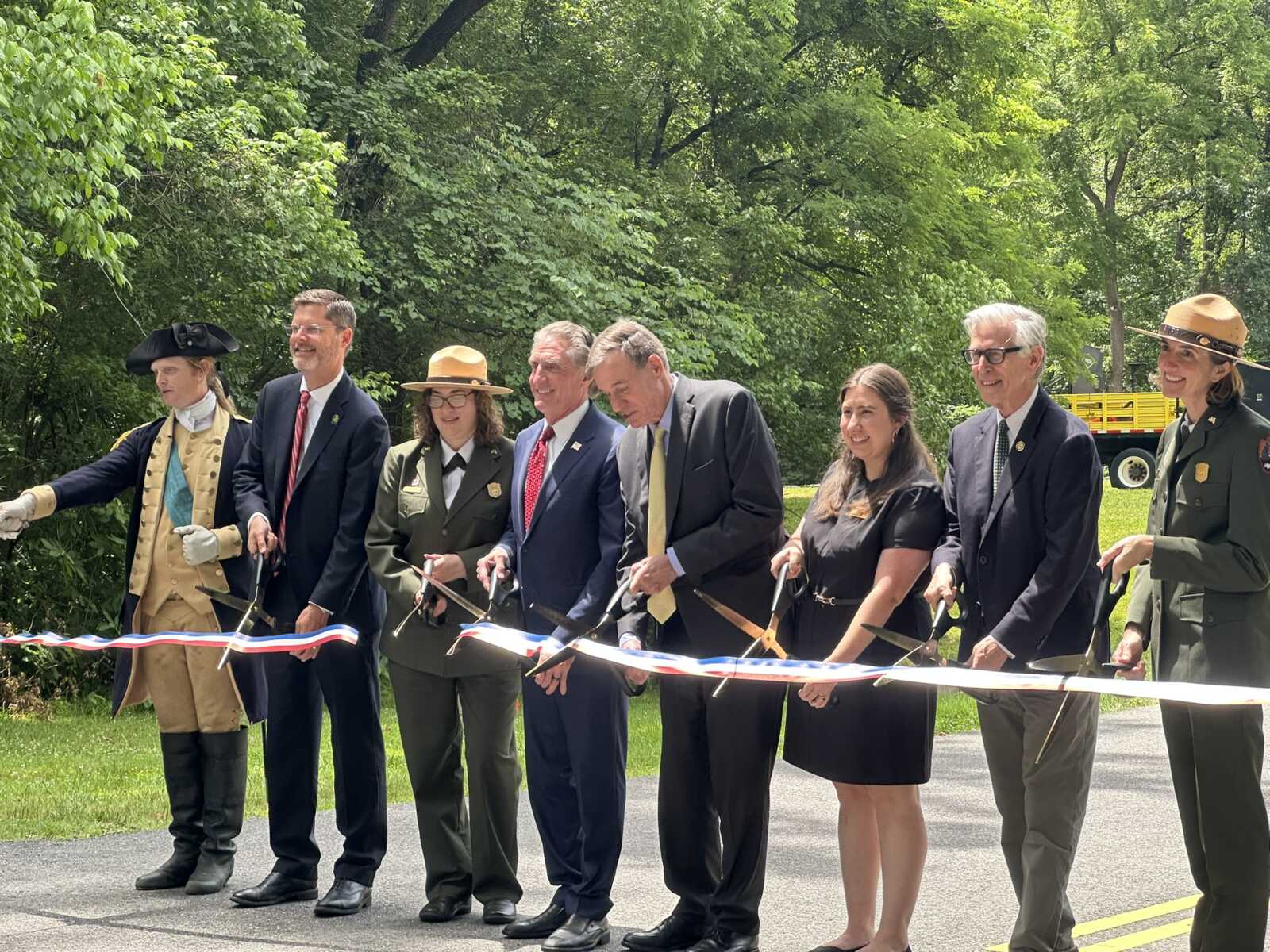
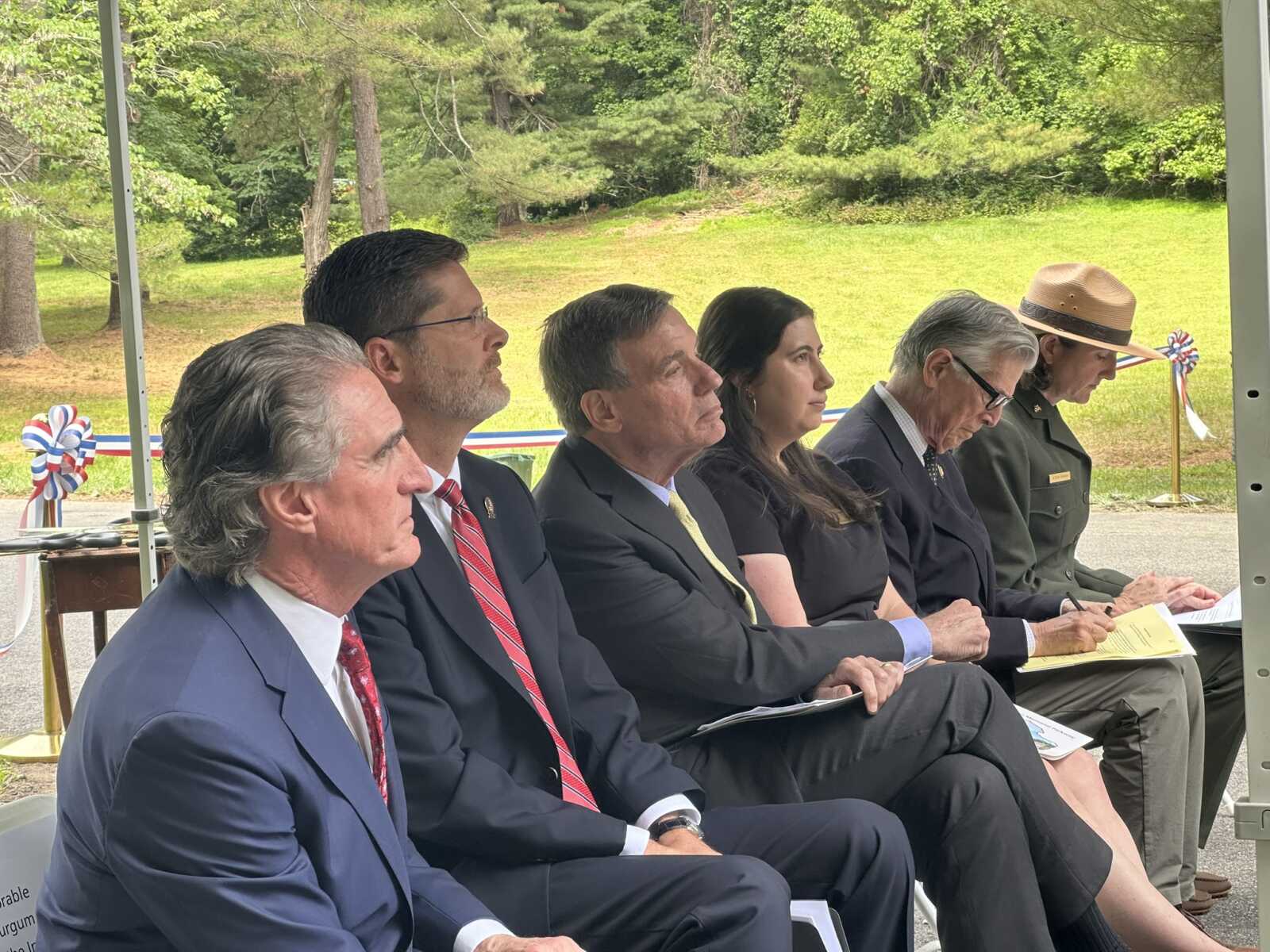
Federal officials assembled at Turkey Run Park in McLean yesterday (Monday) to rededicate the parkway’s 7.6-mile northern section after completing a $161 million rehabilitation project — the first substantial update since the road extension opened in 1962.
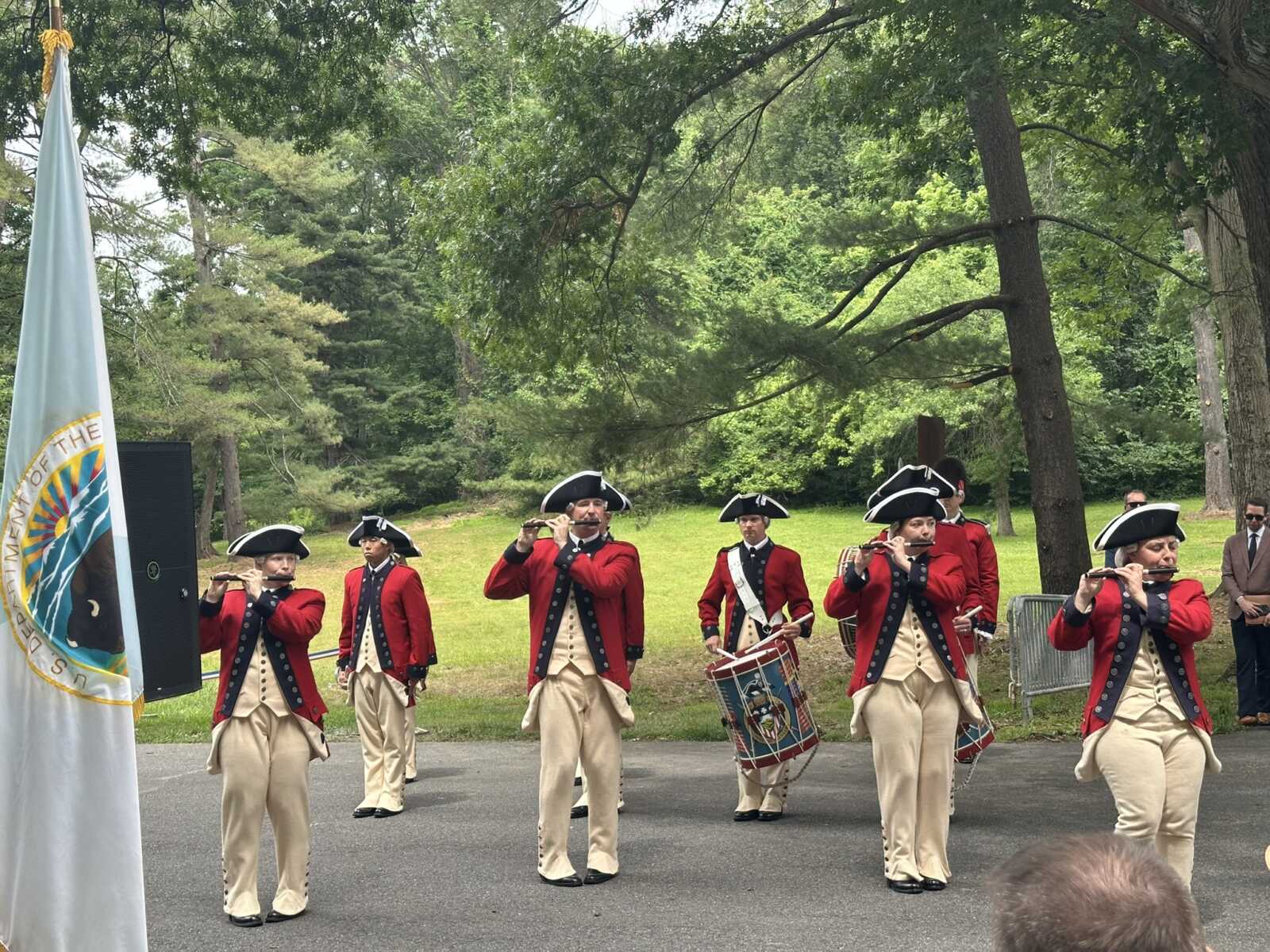
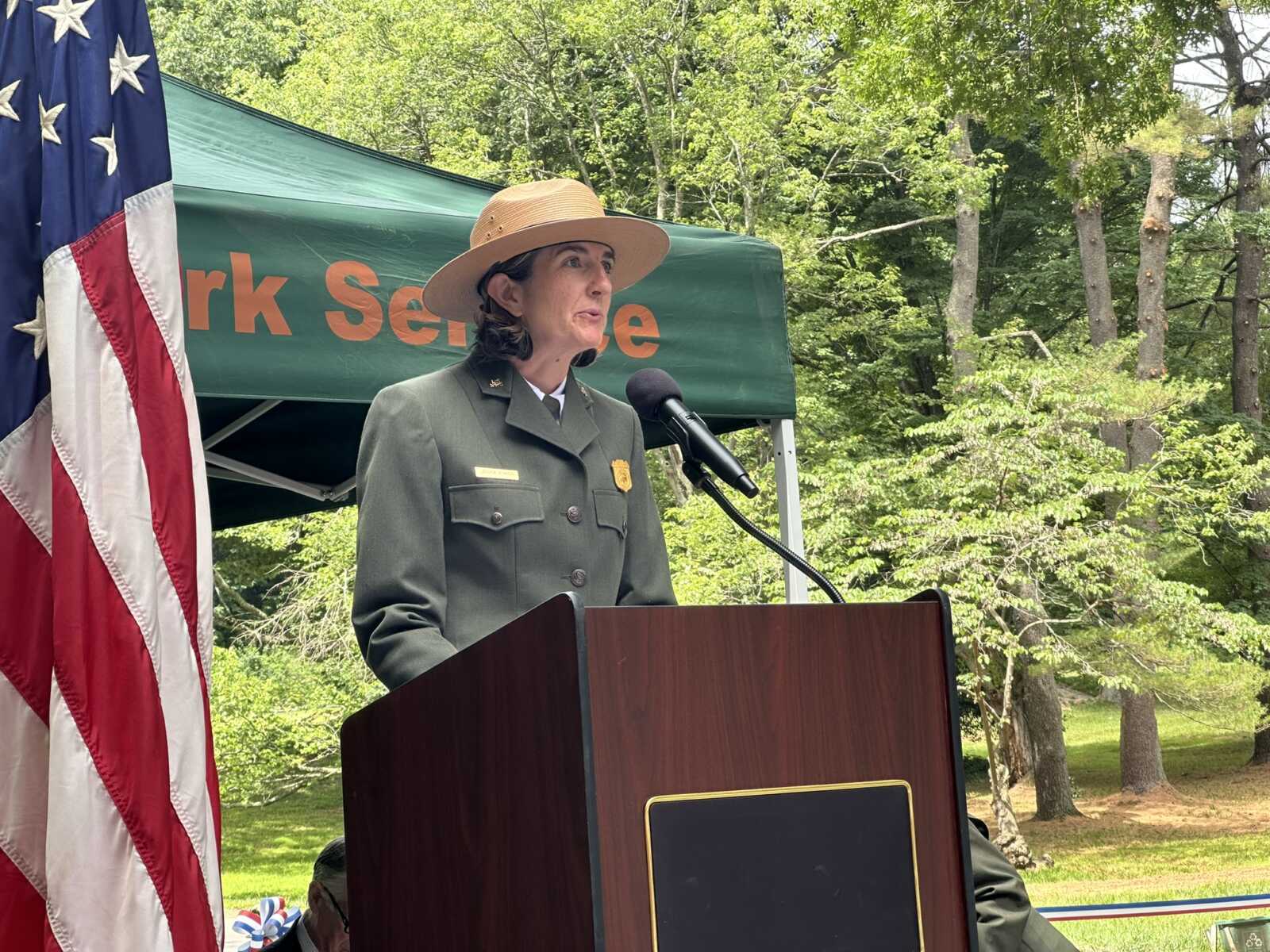
“It’s exciting to celebrate a project that improves the parkway while honoring its historic character,” National Park Service Comptroller Jessica Bowron said at the ribbon-cutting ceremony, which included appearances by the U.S. Army Fife and Drum Corps and a George Washington reenactor.
“Drivers will enjoy a smoother, safer ride throughout the northern section, and everyone who uses this roadway will benefit from these investments for decades to come,” she added.
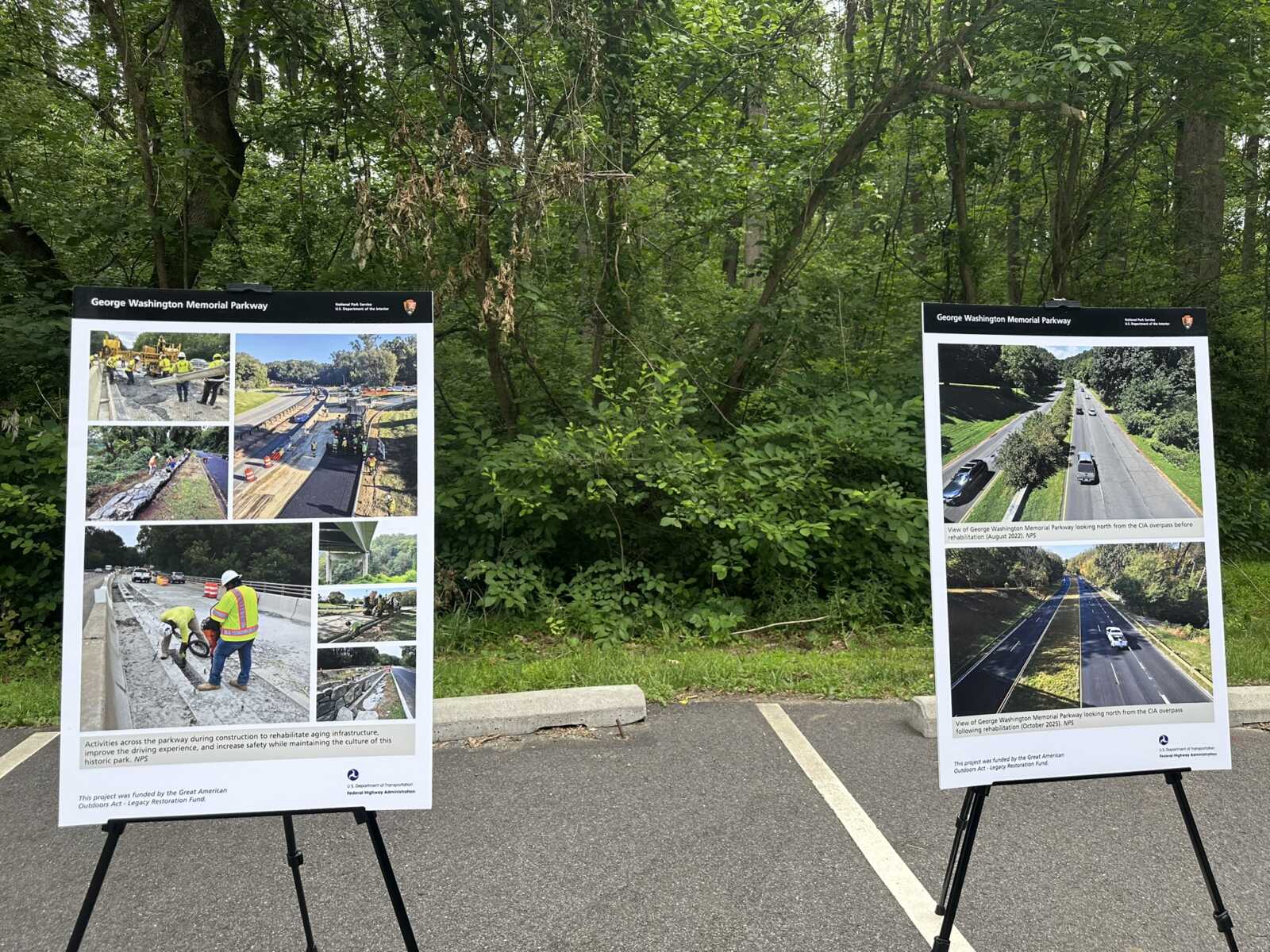
Undertaken by the NPS in conjunction with the Federal Highway Administration, the project involved a repaving of the asphalt road between Spout Run Parkway and the Capital Beltway (I-495), a redesign of the Route 123 interchange, stormwater management system repairs, stone wall and roadside barrier reconstructions, and improvements to historic overlooks.
Carrying approximately 26 million drivers annually and 71,000 riders a day, the northern section is “far and away the most heavily traveled” part of the GW Parkway, but as it passed the 50-year mark with no significant renovations, the road fell into a state of “huge disrepair,” according to Virginia Sen. Mark Warner.
Warner and other members of Congress from both major political parties as well as independents sounded an alarm in 2019 about the national park system’s growing backlog of maintenance needs. Topping an estimated $11.9 billion and growing, the inventory of deferred projects included $293 million for the GW Parkway and $34 million for Wolf Trap National Park for the Performing Arts, among other Virginia sites.
In March 2020, Virginia’s senators and Northern Virginia representatives also urged the U.S. Department of Transportation to specifically approve a $102 million grant for a reconstruction of the GW Parkway’s northern section, which had closed for nearly three months in 2019 after a culvert pipe failed and created a sinkhole in McLean near Route 123 (Dolley Madison Blvd).
To address the backlog, Congress passed and President Donald Trump, then in his first term, signed the Great American Outdoors Act in August 2020, allocating revenue from energy projects on federal lands to a new fund for deferred maintenance identified as priorities by the National Park Service, Forest Service and other agencies.
The bill was sponsored in the House by the late Rep. John Lewis (D-Georgia) and in the Senate by Sen. Cory Gardner (R-Colorado), with Warner and fellow Virginia Sen. Tim Kaine as co-sponsors.
According to Warner, the law resulted in about $10 billion for improvements, including $6.5 billion for the NPS. About $400 million of that went to Virginia, enabling the park service to announce plans for its northern GW Parkway rehabilitation in late 2021.
Construction workers broke ground on the project half a year later in July 2022.
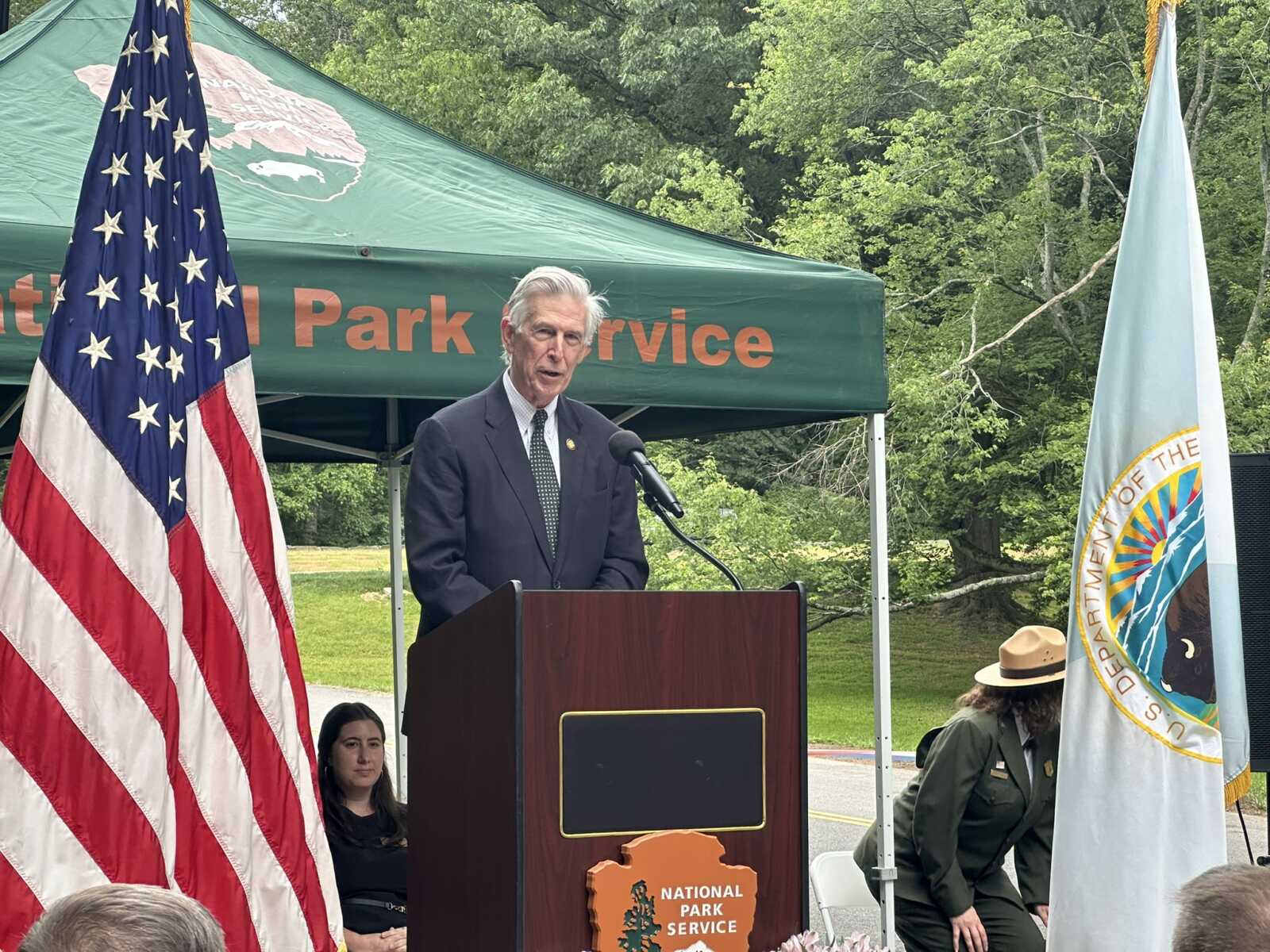
“That was a landmark investment in our national parks and public lands, and it had the support from Democrats and Republicans in both the House and the Senate,” Rep. Don Beyer (D-Virginia) said of the Great American Outdoors Act. “Because of that commitment, this roadway is now safer for families, for commuters, cyclists, and visitors who travel it every day.”
The rehabilitation required 110,000 tons of asphalt — enough to fill 17 Olympic-sized swimming pools — and 29,700 linear feet of pipe, FHWA Administrator Sean McMaster noted.
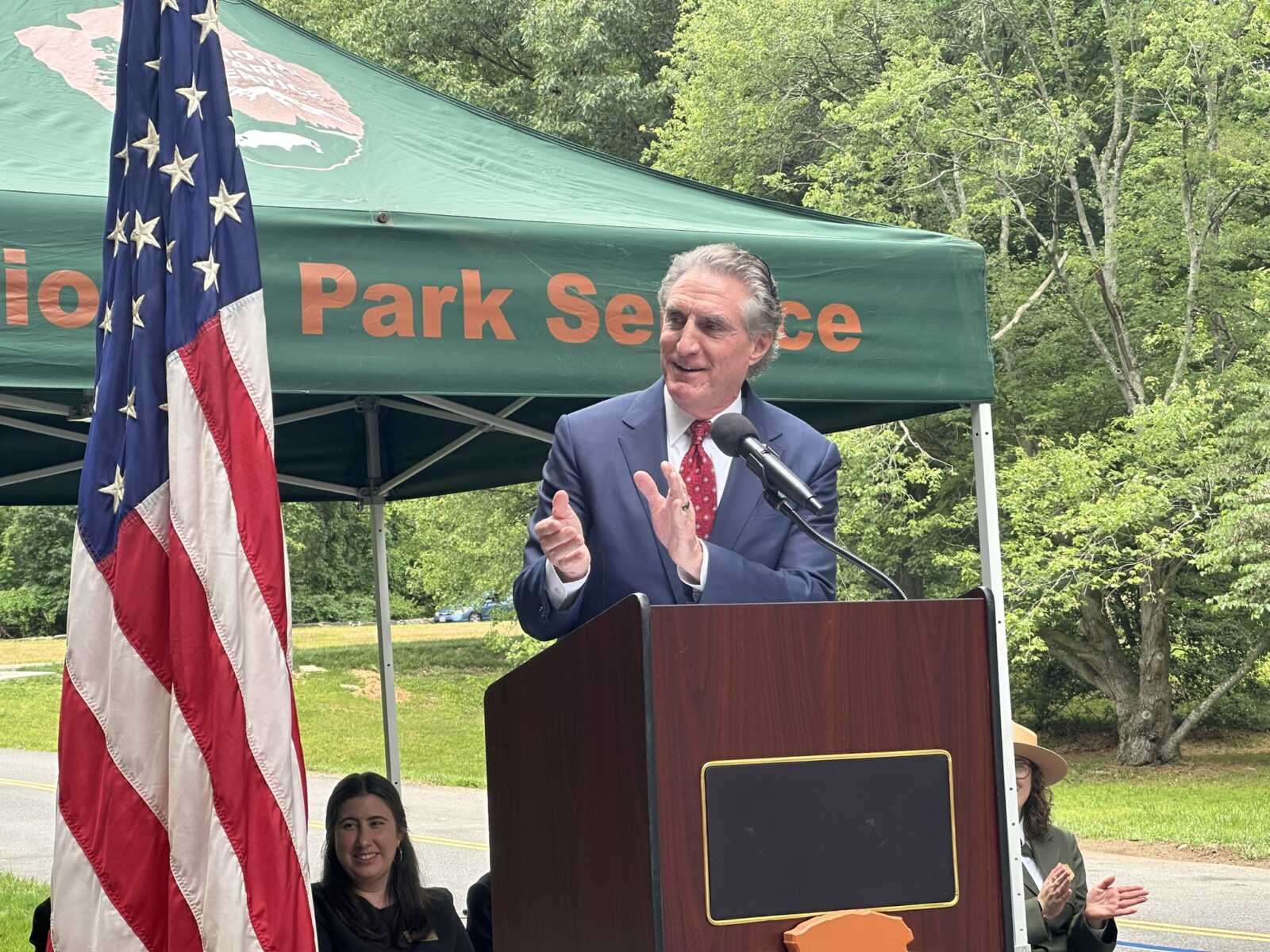
Though construction started under the previous Biden administration, McMaster and Secretary of the Interior Doug Burgum tied the GW Parkway’s rehabilitation to the slew of renovation projects that Trump has pursued in the D.C. region since he returned to the presidency in January 2025, from fountain restorations and a less-dramatic-than-expected Reflecting Pool refill to Union Station updates and a Dulles International Airport overhaul.
“The restoration of the George Washington Parkway is yet another important milestone,” McMaster said. “Each of these accomplishments brings us one step closer to turning our nation’s capital into the shining city on the hill that the American people deserve.”
South GW Parkway among NPS projects in need of funding
However, maintenance needs at the country’s national parks continue to accumulate, with estimated costs now surpassing $24 billion, Warner said at the rededication ceremony.
Because the Great American Outdoors Act funding expired at the end of 2025, more than 60 senators, Warner and Kaine included, are backing an America the Beautiful Act that would reestablish the National Parks and Public Lands Restoration Fund, increasing annual allocations from $1.9 billion to a full $2 billion.
“This is something that you never get it finished because things keep getting old,” Warner told FFXnow. “For the [D.C.] region, the next step will be doing the same kind of renovations on the southern part [of the GW Parkway], south of Memorial Bridge, and we’ve got to get the funding for that.”
According to Beyer, whose 8th District includes the southern half of the GW Parkway down to George Washington’s Mount Vernon, updating that section could cost as much as $300 million. In addition to the same challenges with aging infrastructure seen in the northern section, the south has been plagued by safety issues.
“A lot of it is historic, but you know, there are a lot of accidents on it, a lot of fatal accidents,” Beyer said, noting that unlike the northern section, the southern part of the parkway doesn’t have a physical median dividing north and southbound traffic.
The National Park Service announced in early 2024 that it would soon begin initial design work on a reconfiguration of the southern GW Parkway and improvements to the Mount Vernon Trail, but no funding for the project has been identified.
At the start of 2026, the Trump administration began charging non-U.S. residents higher fees to visit 11 of the country’s most heavily frequented national parks, a move officials said would help generate money to address maintenance needs. But Beyer dismissed the possibility that that alone could fill the funding gap.
“The whole notion of charging overseas visitors a huge amount of money is not going to be enough to actually do this,” he said. “So, following up with the America the Beautiful Act is absolutely necessary.”
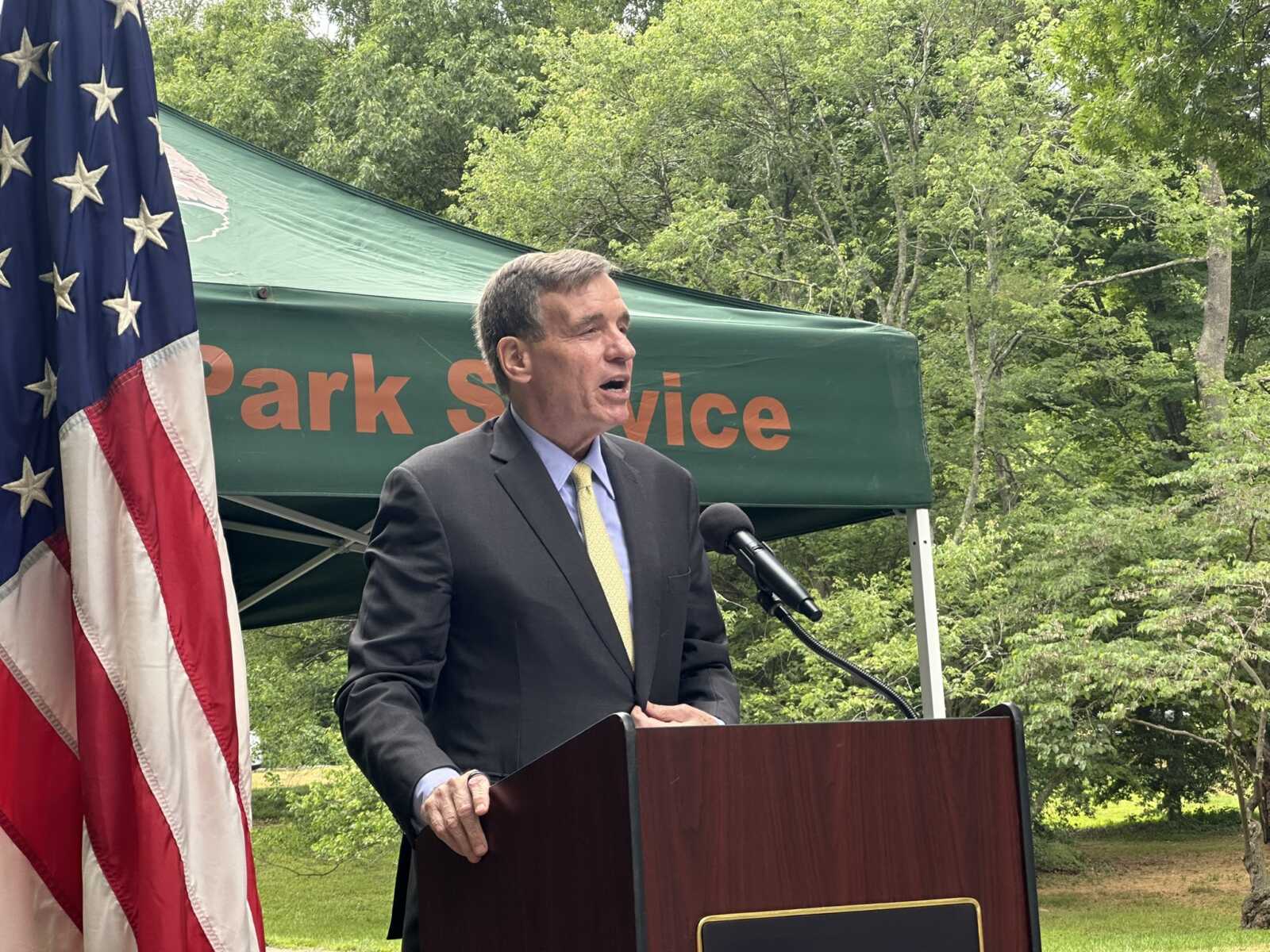
While McMaster and Burgum touted efforts to restore public spaces, the Trump administration has reduced staffing and proposed cuts to funding for the NPS, U.S. Forest Service, Bureau of Land Management and other agencies focused on the environment and conservation.
Warner said it’s “troubling” that the administration has also reportedly diverted millions of dollars in national park entry fees to various projects in D.C., including the fountain repairs, Reflecting Pool refill, Trump’s planned Fourth of July fireworks display and the installation of a statue of American Revolution officer and slaveholder Caesar Rodney that had previously been taken down in Delaware.
People in the D.C. area “may benefit” from some of the projects, Warner said, “but that doesn’t seem very fair to people around the rest of the country.”
One project Warner and Beyer say won’t be funded by the America the Beautiful Act, if it’s adopted, is the arch that Trump wants to build on federal land between the Memorial Bridge and Arlington National Cemetery.
At more than double the height of the Lincoln Memorial, which was intentionally placed within view of the cemetery, the proposed arch would be an “incredibly tasteless sacrilege on the landscape that otherwise I know the president wants to improve,” Beyer said.
“While we celebrate, for example, the restoration of the fountains, we still want to be able to enjoy the existing incredible amenities we have, beginning with the Arlington Memorial Cemetery,” Beyer said.
Both elected officials said they haven’t met anyone in Northern Virginia or D.C. who supports that project.
“I have no idea where the funding would come from, and if anybody says it’s going to come from private funding, that smells somewhat like the promise made about the ballroom,” Warner said. “And then there was an attempt to put [in] public funding. So, renewal of the support for our public parks, any legislation we have would not include a Trump arch.”
