

Summer in Fairfax County means a break from school, an abundance of outdoor music options and, in recent years, the return of the spotted lanternflies.
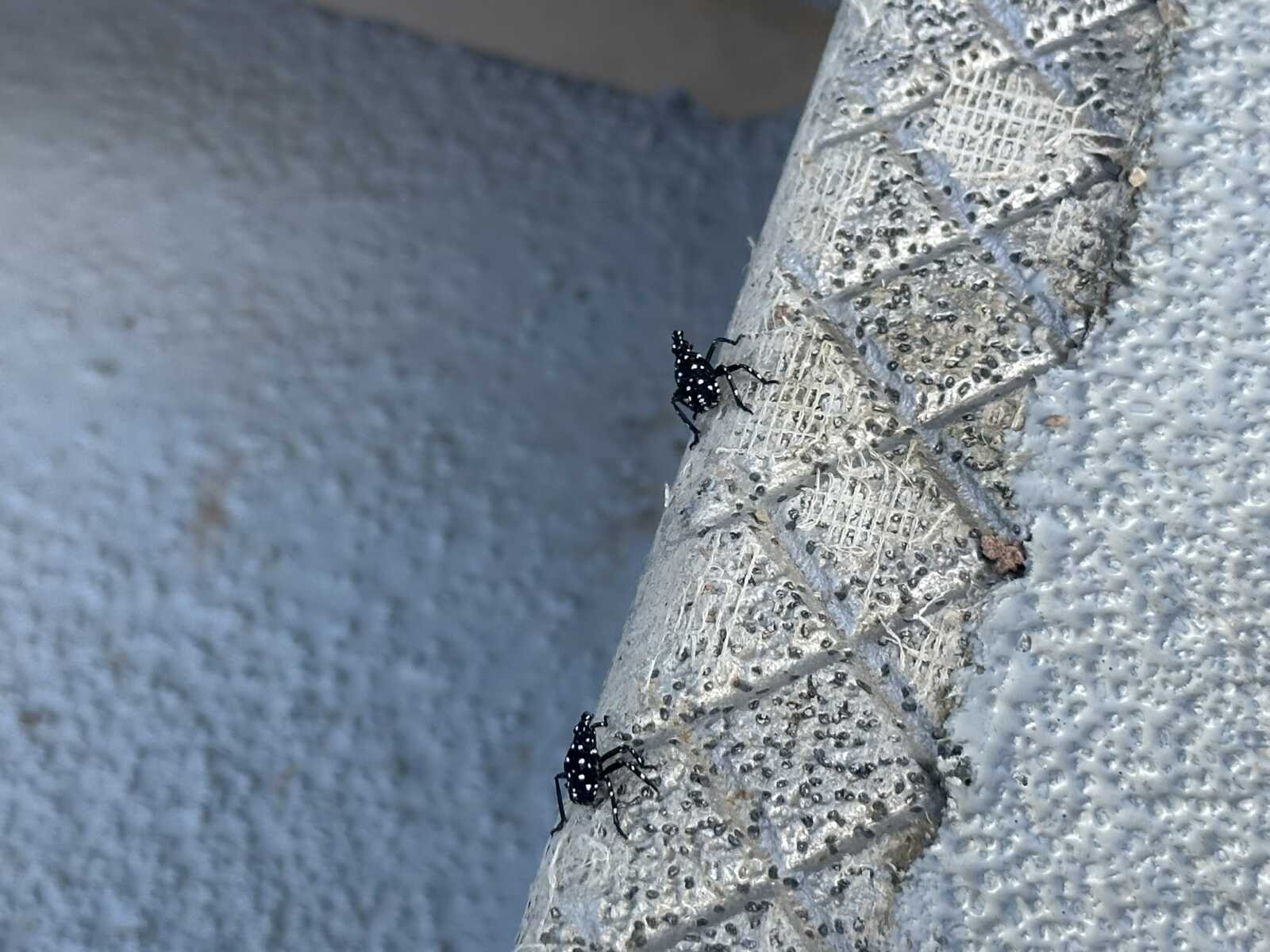
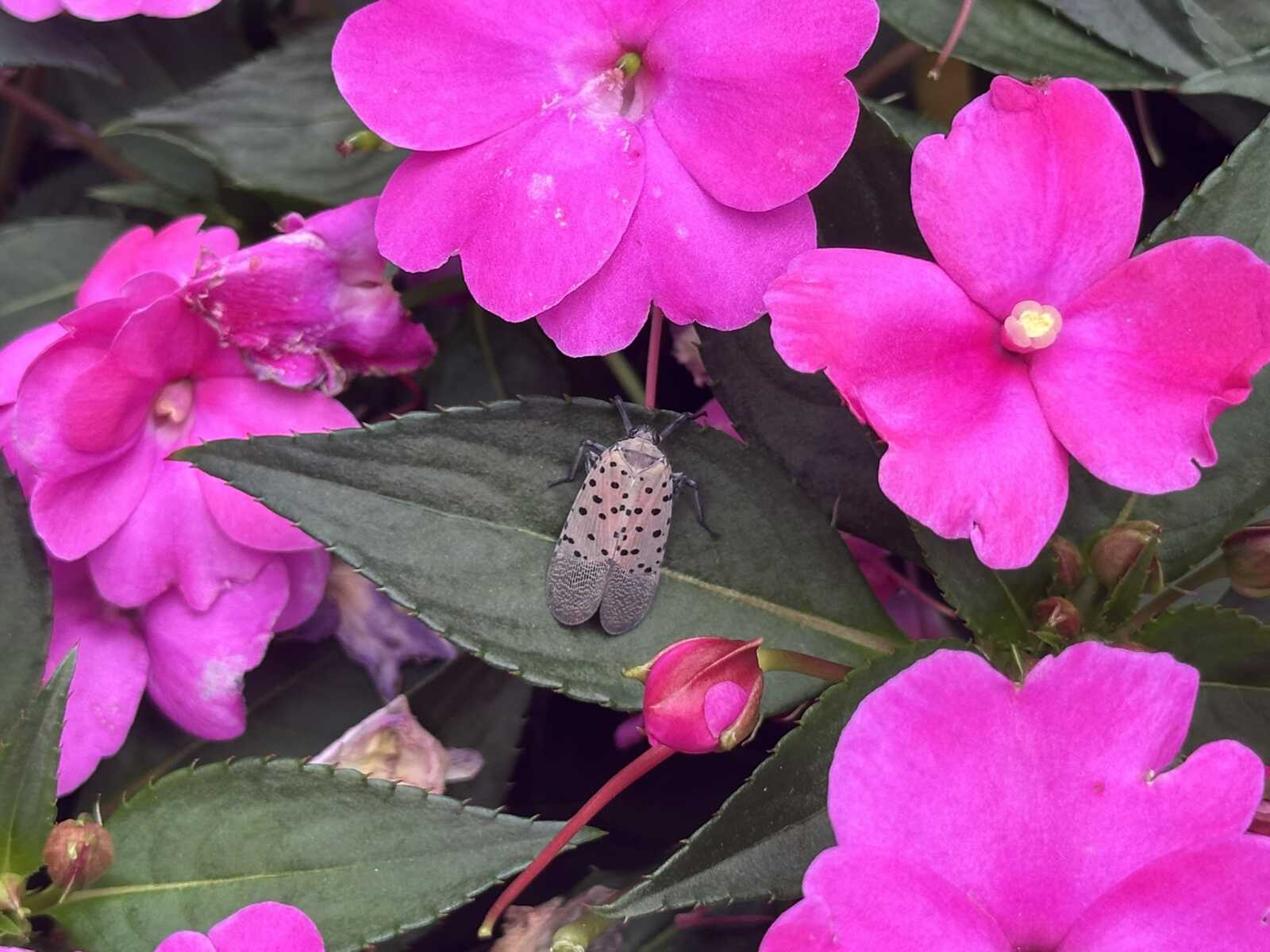
The invasive insects started to reemerge earlier this month, but they are still in their young “nymph” stage, resembling small beetles with white spots on their black bodies instead of the larger, winged form they take as adults, according to the Fairfax County Department of Public Works and Environmental Services (DPWES).
Predicting the nymphs will mature into adults with red coloring in July, the department’s urban forestry team is encouraging community members to eradicate any bugs they find now — before they become fully grown.
“Vacuuming or squashing nymphs are the easiest ways to reduce the population of spotted lanternfly, without using pesticide,” the county said in a press release last week.
According to DPWES, spotted lanternflies in the nymph stage can typically be found near the ground on herbaceous plants, though they often hide under leaves and stems, making them harder to find. While they can’t fly, they can jump like their adult counterparts.
Since first landing in Fairfax County via a grocery store shipment in Annandale in 2021, spotted lanternflies have proliferated across the D.C. region. While not problematic in its native lands of China, India and Vietnam, the species has no established predators in the U.S. and can cause damage to plants and trees.
In addition to squishing or vacuuming, spotted lanternfly nymphs can be slowed down and killed by spraying them with soapy water, Fairfax County urban forester Rachel Habig-Myers said, but that method should be used judiciously.
“Add 1/4 cup of liquid dish soap or castile soap to one quart of water and use as a spray or knock them into a bucket of the same concentration,” Habig-Myers said in the release. “Be careful around plants, water bodies and soil. Soap can cause negative impacts to water quality and might burn green plants, so spray carefully.”
The county is also working to remove tree of heaven, an invasive plant species that frequently serves as a host for spotted lanternflies. Locations can be reported online or through an app for the Early Detection and Distribution Mapping System operated by the University of Georgia’s Center for Invasive Species and Ecosystem Health.
Fortunately for plants and anyone squeamish about squishing even invasive bugs, the recent swarms of spotted lanternflies are likely a short-term phenomenon that will diminish over time, DPWES told FFXnow.
According to the department:
While the D.C. metro area is currently experiencing a surge in spotted lanternfly activity, County experts project that the population will peak over the next one to two years before beginning a natural decline.
Because the invasive species is still relatively new to the region, it is currently in an exponential growth phase. However, historical data from earlier infestation zones indicates that spotted lanternfly populations typically follow a four-to-five-year cycle. By the late 2020s, local numbers are expected to plateau and trend downward as the pests exhaust their primary food sources and native predators increasingly adapt to hunt them.
While the spotted lanternfly is expected to become a permanent part of the local ecosystem, the current intense swarms are a temporary phase rather than a permanent fixture for the region. Residents are urged to destroy the pests to help mitigate the peak of the cycle.
