
Good Thursday evening, Fairfax County. Let’s take a look back at today’s stories and a look forward to tomorrow’s event calendar.
🕗 News recap
The following articles were published earlier today — Sep 10, 2026.
- 7:30 am: Morning Notes for September 10, 2026 | 🗣️ Comments
- 8:30 am: Deer hunting season returns to Fairfax County, starting Saturday | 🗣️ Comments
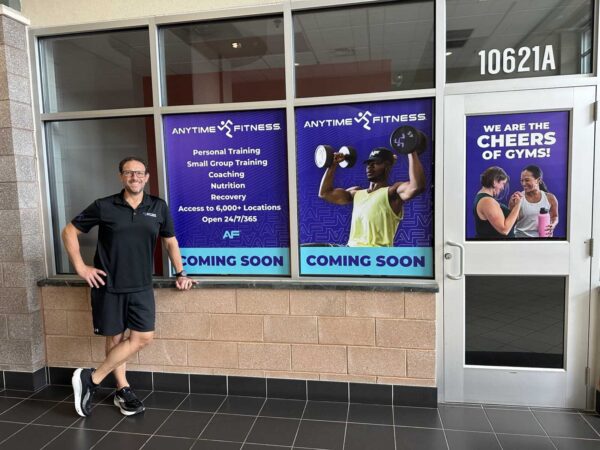
- 9:15 am: Fairfax-area Anytime Fitness finds new home after closing earlier this year | 🗣️ Comments
- 10:00 am: Fairfax County staff propose more flexibility for food trucks, service businesses | 🗣️ Comments
- 11:45 am: Data centers hurting efforts to curtail greenhouse gas emissions, D.C. region leaders told | 🗣️ Comments
- 1:45 pm: Vienna to redesign ‘challenging’ Lawyers and Church street intersection | 🗣️ Comments
- 2:45 pm: Potbelly Sandwich Shop expands to Franconia, more locations on the way | 🗣️ Comments
- 3:45 pm: Herndon planning commissioner builds on public service past for town council bid | 🗣️ Comments
📅 Upcoming events
Here is what’s going on Friday throughout the county, from our event calendar.
- 8:45 am: Fiore Montessori: What Your Child Needs 0-3 (In-Person Parent Ed Program)
- 5:30 pm: Happy Hour with Darden & Friends: Darden Purcell
- 6:30 pm: A Decade of Harmony: Novasian Chorus 10th Anniversary Concert
- 7:30 pm: Silent Dance Party
🌦️ Friday’s forecast
Expect showers likely, mainly before 9 a.m., with mostly cloudy skies and a high near 81°F. North winds will blow at 3 to 7 mph, and there’s a 60% chance of precipitation, although new rainfall amounts will be less than a tenth of an inch. Friday night will remain mostly cloudy with a low of around 67°F and calm winds. See more from Weather.gov.
🌅 Tonight’s sunset
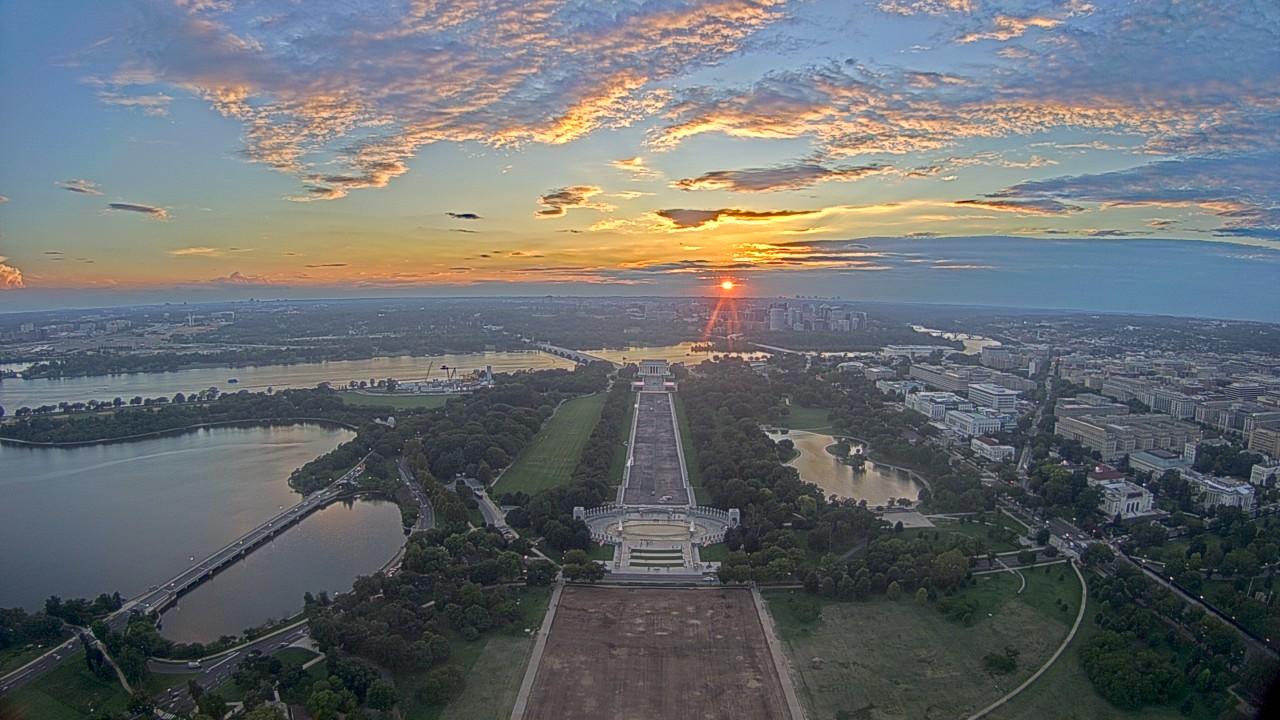
The MonumentCam screenshot above is used with permission of the Trust for the National Mall and courtesy of EarthCam.
Thanks for reading! Feel free to discuss the day’s happenings in the comments.