
Countywide

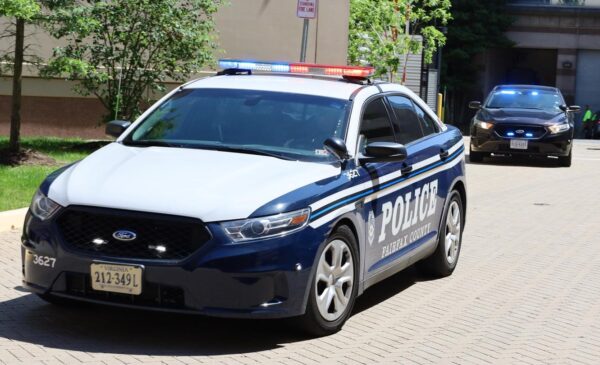
Fairfax County plans to make its co-responder model pairing police with mental health crisis specialists for certain 911 calls permanent.

The county began developing the program last year with a micropilot that was extended with $4 million in American Rescue Plan Act funds.
News

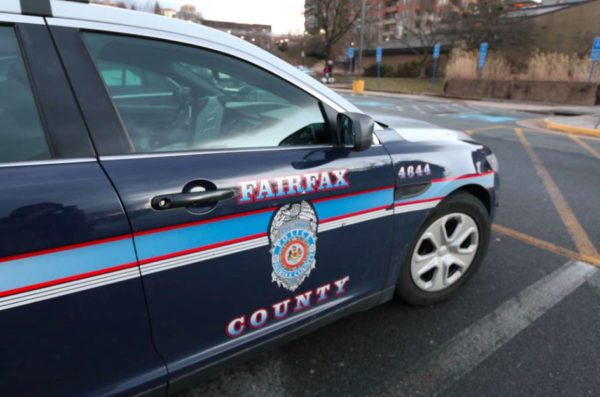
Less than a third of Fairfax County sheriff’s deputies and less than half of Fairfax County Police Department officers have undergone Crisis Intervention Team training, which seeks to help first responders more safely and effectively help people with mental health issues.

Changing how law enforcement handles situations involving mental health issues is the goal of a program that Fairfax County resumed testing earlier this week, pairing CIT-trained officers with mental health specialists to respond to non-criminal 911 calls.


News

(Updated at 12:05 p.m. on 9/30/2021) Fairfax County will resume an effort today (Wednesday) to avoid arresting people in mental health crises by using behavioral health experts in the hopes of eventually putting the service into effect 24/7.

Pairing a crisis intervention specialist with specially trained police officers, the “co-responder” teams address 911 calls related to behavioral health issues for the resumed service, a micropilot program that’s expected to be in place three days a week.


News

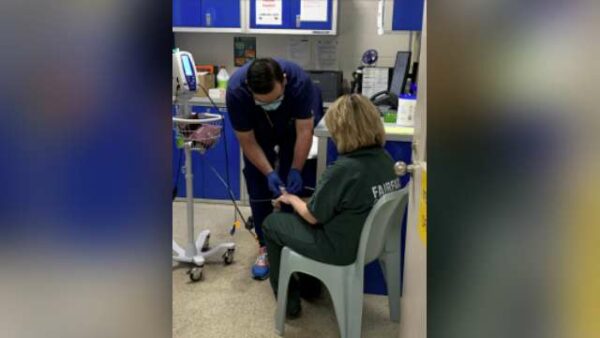
Fairfax County has provided drug or mental health treatment services to more than 2,100 people who would have otherwise wound up in jail since launching a diversion initiative five years ago, a recent report on the program says.

Released in August, the 2020 annual Diversion First report suggests the county’s efforts to emphasize support services over incarceration for people with mental health and substance use challenges are starting to pay off.