

Fairfax County’s elected leadership is standing firm in efforts to have the state government fulfill its responsibility for housing those sentenced to incarceration.
But exactly how local leaders will deliver that message in advance of the 2025 General Assembly session remains a work in progress.
At a legislative committee meeting on Tuesday (Oct. 29), the Board of Supervisors discussed further refinement of draft language on state-versus-local responsibilities related to incarceration. The committee previously raised the issue on Oct. 15.
If it’s approved by the board next month, the final proposal will be sent as part of a package of priorities to local members of the General Assembly in advance of their upcoming session.
During yesterday’s meeting, the supervisors debated how firmly they should press for anyone incarcerated for more than a year to be housed in state-run facilities.
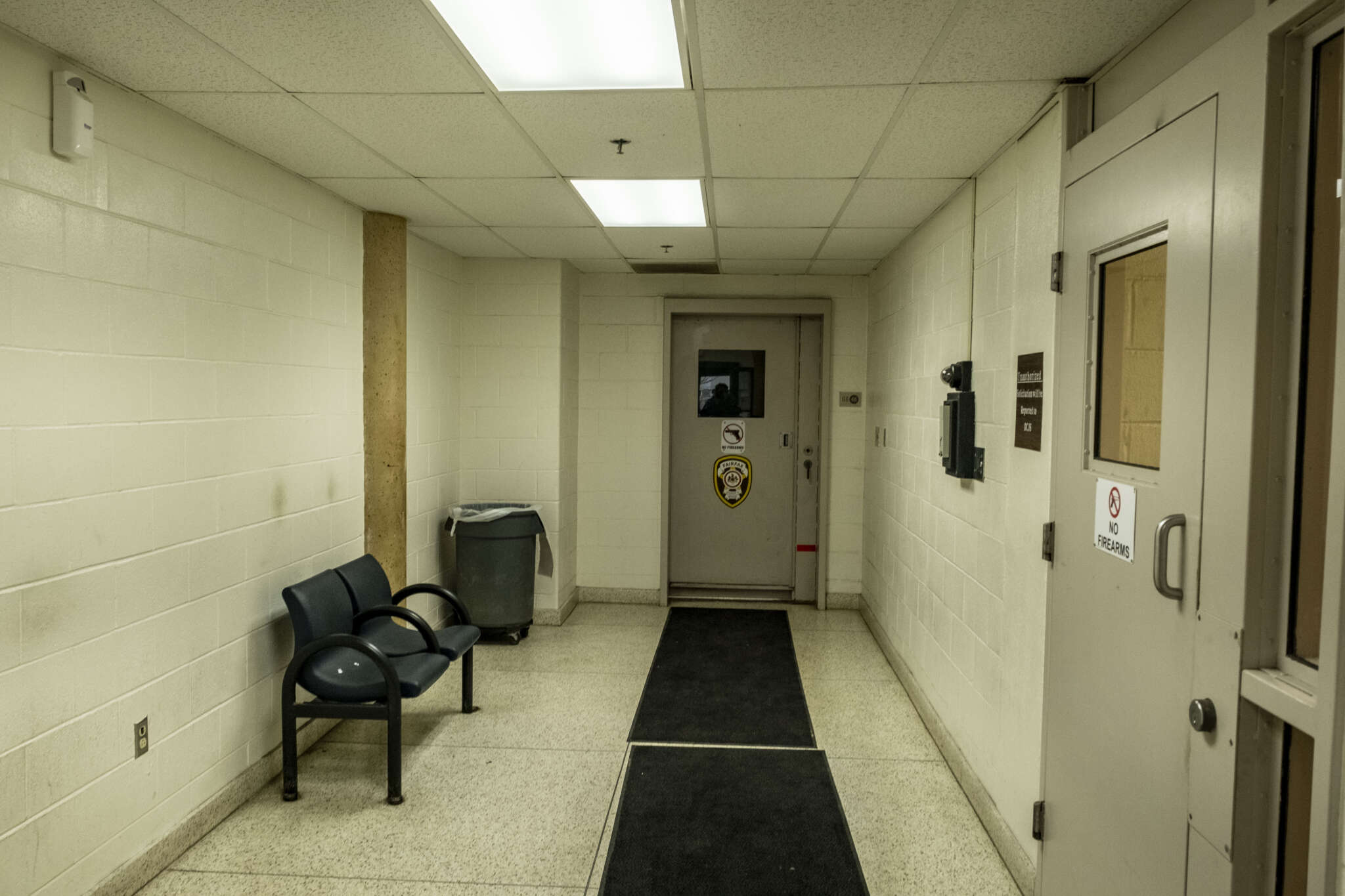
In some cases, individuals who are supposed to be housed in state prisons by state law are left in county or regional jails if their terms are for more than one year but less than two. The localities receive a per-diem payment for each incarceree, but it runs well below the actual cost of housing them, Fairfax officials say.
“The state should be responsible — legally they’re responsible, but historically they have not been,” said Braddock District Supervisor James Walkinshaw, who chairs the legislative committee.
Mount Vernon District Supervisor Dan Storck raised a red flag on the proposed language, which would ask the General Assembly to require state-prison incarceration for those sentenced to more than 12 months of confinement but give local officials the option to request that they stay in local facilities.
According to Storck, those facing lengthy confinements should be in the state prison system, because it offers training programs and other support “essential for helping people to move forward with their lives” when they’re released.
That was no dig at Fairfax County Sheriff Stacey Kincaid or her staff, Storck said, but rather an acknowledgment that the two levels of incarceration sometimes serve different purposes. Local jails “just don’t have the space and the programs” of state prisons, he said.
“We should be advocating for inmates to get into the state system,” Storck said, arguing for removing the language allowing a local option.
A representative of the Fairfax County Sheriff’s Office told supervisors that there needs to be wiggle room in the final language. Some inmates in the Fairfax County Adult Detention Center participate in specialized local programs and likely wouldn’t benefit from a move to the state system.
Currently, the number of those incarcerated in Fairfax but eligible to be housed in the state system is “very small,” sheriff’s personnel said. But Storck countered that it ebbs and flows over time.
“A few years ago, it was a huge number,” he said.
As of fiscal year 2023, the county jail housed an average of 659 people per day, according to the sheriff’s office’s most recent annual report. It had 168 state prisoners who were transferred to Virginia Department of Corrections facilities that year.
The final draft of the county board’s legislative program for the General Assembly will be released on Nov. 14 for public review. A public hearing is slated for Nov. 19 before the supervisors vote on the package.
The 2025 General Assembly session opens on Jan. 8 and is slated to run 46 days.
