

Fairfax County supervisors on Tuesday (Jan. 13) set a pair of future public hearings on proposed revisions to zoning rules for large-scale battery storage in the county.
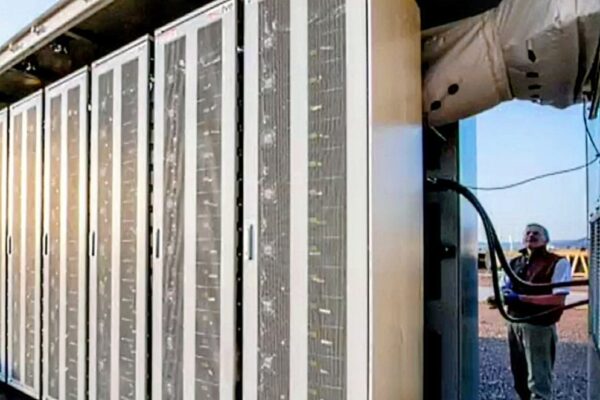
The proposed changes would impact what are known as Battery Energy Storage Systems, or BESS. Language in the amendments would add a new definition for BESS and add new use standards and submission requirements, including minimum setbacks and the completion of a noise study before a site plan can be approved.
They would prohibit BESS facilities in residential and mixed-use areas unless accompanied by solar panels or a substation. Installation of the systems in other zoning districts would typically require a special exception designation from the county government, a process that involves public hearings and a formal approval by the Board of Supervisors.
The issue is set to be considered following public hearings slated for Feb. 25 before the Fairfax County Planning Commission and March 17 before supervisors.
According to county officials, battery energy storage systems use rechargeable batteries to store energy from various sources — the electrical grid, solar or wind power, among them.
They then provide power back to the electrical grid during peak demand or during an outage.
“BESS can help reduce energy waste and improve grid efficiency, which, over the long term, can translate into lower electricity rates for customers,” county staff said in a memo to supervisors.
The proposed zoning ordinance amendment would apply to facilities with rechargeable batteries capable of storing more than 600 kilowatt-hours of energy. Facilities that have a lower capacity or are located inside a building where they support another primary use, such as a data center, would be considered accessory uses, meaning they don’t need separate zoning approvals.
The Board of Supervisors set the hearing dates as part of its Jan. 13 administrative agenda without comment.
The proposal before county officials is the result of “extensive research and outreach” on the topic, staff said. Two community meetings on the issue were held last summer.
Supervisors last discussed the matter extensively at a meeting of the Land Use Policy Committee in January 2025.
At that meeting, Springfield District Supervisor Pat Herrity said proposals for BESS facilities should take into account their potential impacts on surrounding areas.
“We’ve got to be very careful what they’re next to,” he said.
Sully District Supervisor Kathy Smith, who chairs the Land Use Policy Committee, agreed the issue was complex.
“These subjects take a lot of research,” she said at the January 2025 committee meeting.
Correction: This story initially misstated the minimum capacity for battery energy storage systems affected by the zoning ordinance amendment as 600 kilowatts.
