

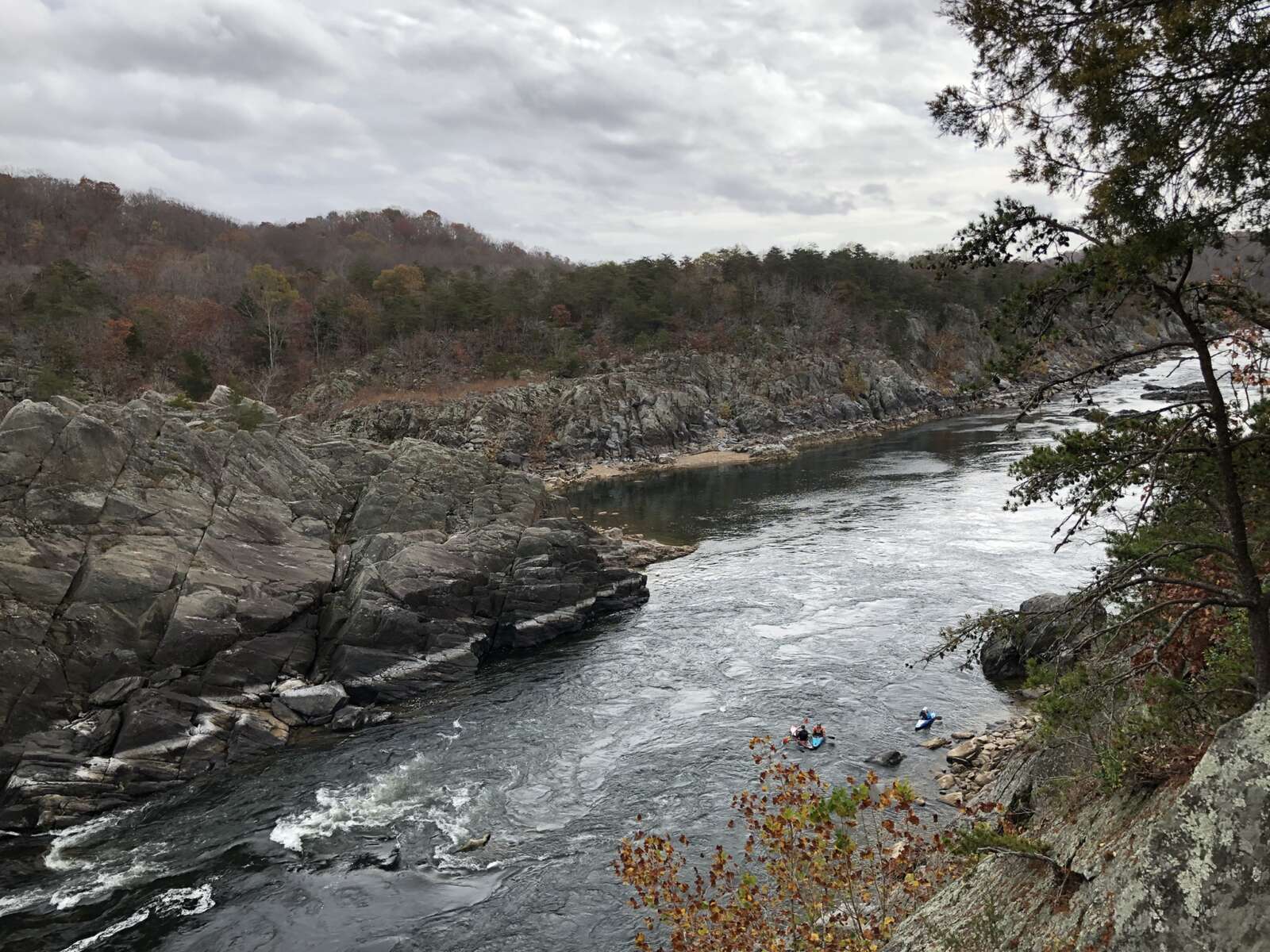
Though DC Water has lifted its advisory warning against recreational activities on the Potomac River, Virginia health officials are remaining cautious after millions of gallons of raw sewage spilled into the water earlier this year.
The Virginia Department of Health announced yesterday (Thursday) that it has lifted a recreational water advisory for the river from Chain Bridge (Glebe Road) in Arlington to the Governor Harry W. Nice Memorial Bridge in King George County, but it remains in place for a 4.7-mile stretch upstream from Chain Bridge to the American Legion Bridge (I-495) in Fairfax County.
“For the safety of people and pets, VDH is advising Virginia residents to avoid recreational water activities in this area of Potomac River, such as swimming, wading, tubing, white-water canoeing or kayaking, where full-body submersion is more likely to occur,” the department said for the area still under an advisory.

The advisory against boating and other activities on the water has been in place since Feb. 13 after wastewater overflows caused by clogged pumps in early February exacerbated a sewage spill from Jan. 19, when the Potomac Interceptor collapsed in Montgomery County.
The 54-mile-long pipeline carries sewage from Northern Virginia, including Fairfax County and Dulles International Airport, to a treatment plant in D.C. Its collapse near Clara Barton Parkway dumped more than 200 million gallons of wastewater into the Potomac River, requiring DC Water to set up an emergency bypass system so the sewer can continue functioning while repairs are made.
According to the VDH, water quality samples taken by the Virginia Department of Environmental Quality on Feb. 17, 25, 26 and 27 found that the bacteria concentrations in the Potomac had become “acceptable for all recreational use,” though swimming has long been prohibited.
Samples collected by D.C. closer to the spill site, however, “continue to show higher values of E. coli,” the Virginia health department said.
There remains no evidence that the spill has affected drinking water, health officials say.
More tips from the VDH on how to prevent recreational water illnesses:
- Avoid contact with water in the advisory area and observe advisory signage posted at waterbody access points.
- Avoid any area of the water body where water has a foul odor, dead or dying fish, or discolored water.
- Promptly wash skin with soap and water if you cannot avoid contact with water in the vicinity.
- Rinse or wash items that come into contact with the water, including clothing, fishing gear, life vests, ropes and paddles.
- Seek medical care and notify your practitioner of the waterbody exposure if you experience adverse health effects after contact with the waterbody.
- When harvesting fish or crabs, discard skin, organs, cook the meat to proper temperature, and clean cutting boards and cutting implements with warm soapy water.
