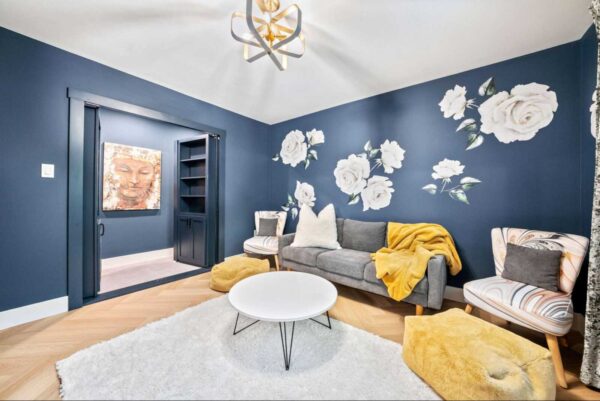
Fairfax families know that remodeling is more than just upgrading—it’s about making space for real life.
That’s why MOSS Building & Design approaches every project with thoughtful planning, flexible design, and deep understanding of how families live. From Oak Hill to Vienna, MOSS helps homeowners create homes that are as functional as they are beautiful.
✅ Designed with purpose
✅ Led by your vision
✅ Managed by an in-house team you can trust
✅ Backed by tools that keep everything on track
For Fairfax families, MOSS is the partner that helps turn “What if?” into “What’s next?”
Ready to explore what’s possible in your own home? Learn more or schedule a discovery call
This is a sponsored column by attorneys John Berry and Kimberly Berry of Berry & Berry, PLLC, an employment and labor law firm located in Northern Virginia that specializes in federal employee, security clearance, retirement and private sector employee matters.
Figuring out the federal bureaucracy can be daunting—especially when your health and finances are at stake. For federal employees whose medical conditions have rendered them unable to perform their job duties, OPM (Office of Personnel Management) disability retirement can provide an important option. However, the application process is rigorous and can be riddled with legal and procedural pitfalls. As federal employment attorneys who have guided many clients through this journey, we want to share a few strategies that can increase the likelihood of your OPM disability retirement application being approved.
1. Understand the Legal Requirements
Before anything else, you must meet the statutory requirements for OPM disability retirement under 5 U.S.C. § 8337 (CSRS) or § 8451 (FERS). The main criteria include:
You must have completed at least 18 months of creditable civilian federal service (FERS) or 5 years (CSRS).
You must have a medical condition expected to last at least one year that prevents you from performing “useful and efficient service” in your current position.
Your agency must be unable to accommodate your condition or reassign you to a comparable position within the same commuting area.
The disability must have arisen or worsened during your federal service.
Knowing and aligning with these requirements is the foundation of a successful application.
2. Provide Detailed Medical Documentation
Vague or insufficient medical records are the number one reason OPM disability retirement claims are denied. It is important to realize that your treating physician’s narrative must:
Clearly diagnose your condition.
Explain how the condition impairs your ability to perform essential duties.
State that the condition is expected to last at least one year.
Directly link your symptoms to specific job duties that are no longer feasible.
Don’t rely solely on forms—include comprehensive medical narratives, test results, family and friend letters, and specialist opinions where possible.
Pro Tip: Request that your doctor explicitly address your inability to perform useful and efficient service—a legal standard that OPM evaluates rigorously.
3. Develop a Strong Link Between Your Condition and Your Job Duties
OPM disability retirement adjudicators are not medical professionals; they evaluate your claim based on how your condition affects your ability to perform your job, not just whether you’re “sick.”
Include a copy of your official position description and annotate how your medical condition interferes with each major duty. For example:
If you’re a postal worker with a degenerative spine condition, emphasize how lifting and standing requirements are no longer feasible.
If you’re a claims examiner with severe cognitive impairments, explain how memory loss or concentration issues impact your analytical tasks.
4. Show That Accommodation or Reassignment Is Not Feasible
One critical element OPM evaluates is whether your agency attempted (or could reasonably have attempted) to accommodate your condition or reassign you.
You or your agency should document:
Whether any reasonable accommodations were tried (e.g., modified schedules, ergonomic tools).
Why those accommodations failed or were not feasible.
Whether your agency explored other positions at your grade and pay level.
Any efforts you made to engage in the accommodation or reassignment process.
If your agency initiates your removal due to medical inability to perform, request that the removal letter explicitly state that no accommodation or reassignment is possible. This can help and is known as the Bruner Presumption.
5. File in a Timely Manner
Timing is crucial. You must apply for OPM disability retirement:
Within one year of separating from federal service, or
Before separation if you are still employed.
Many applicants lose eligibility because they wait too long after resigning or being removed. It can be important to start the process while you are still on the agency’s rolls, if possible.
6. Prepare a Persuasive Applicant Statement (SF 3112A)
Your personal statement is your opportunity to tell your story. Explain:
How your condition affects your daily work.
The impact of treatments and medications.
Emotional or psychological tolls.
Why returning to full duty or finding another federal position is not realistic.
Use plain language but remain professional and factual. This is your chance to humanize the paperwork.
Communicate with your agency and, if necessary, represent you on appeal to the MSPB (Merit Systems Protection Board).
Legal representation is particularly crucial if your agency is uncooperative or if your condition is difficult to classify (such as mental health disorders or chronic fatigue). Also, you need to be prepared with counsel should your initial filing be denied and you need to seek reconsideration.
Contact Us
Applying for OPM disability retirement can be critical when you are not well enough to continue your current federal duties. Being proactive, thorough, and strategic can significantly increase your chances of success. If you’re struggling with your health and your federal job is no longer sustainable, don’t wait. Begin building your case today—with clarity, documentation, and the right support. If you need assistance, please contact our firm at (703) 668-0070 or here.
Our law firm represents and advises federal employees in various employment law matters. If you need legal assistance regarding a federal employment matter, please contact our office at (703) 668-0070 or at www.berrylegal.com to schedule a consultation.
Affordable Senior Living Just Got Even Better at Belmont at One University
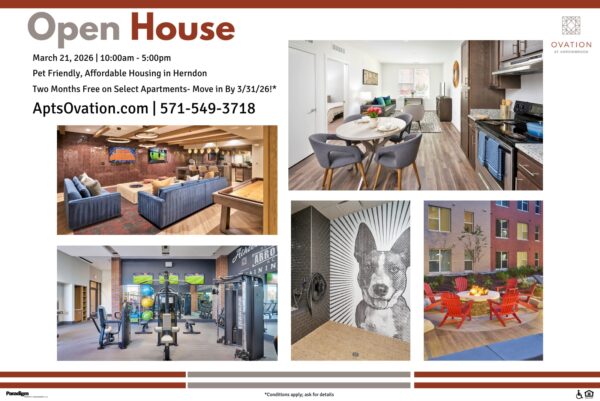
Looking for affordable senior living in the heart of Fairfax? Belmont at One Universityjust dropped the rent on select one-bedroom apartments to $1,475 per month—and these homes also come with One Month Free!*
This is the perfect time to make your move to a community designed with comfort, convenience, and connection in mind. Belmont is a 62+ affordable housing community offering thoughtfully designed one-bedroom apartments with spacious layouts, modern kitchens with granite countertops, wood-style flooring, in-home washers and dryers, and complimentary basic Wi-Fi.
Belmont at One University offers a welcoming and comfortable community with amenities designed to support a vibrant senior lifestyle. Residents enjoy access to a spacious club room perfect for gatherings and social events, a fitness center to help stay active, and beautifully landscaped outdoor spaces for relaxing or connecting with neighbors. Elevators add convenience, while controlled access provides peace of mind.
But life at Belmont is about more than just the apartment and onsite amenities. Residents enjoy an active, engaging lifestyle filled with monthly social events, seasonal celebrations, and community gatherings. And getting around is even easier now with our twice-weekly shuttle service to locations like University Mall, Fair Oaks Mall, H Mart, Harris Teeter, Wegmans, and more.
Belmont is also pet-friendly with no breed restrictions, andperfectly locatednear George Mason University, parks, public transportation, and major roadways.
Now Leasing:
One-bedroom apartments starting at $1,475/month + One Month Free*
Belmont at One University participates in a housing program that offers reduced rents with maximum household income ceilings. Only one household member needs to be 62 or older to qualify to live at Belmont.
Want to see if you’re eligible? Click Here, choose Do I Qualify, and follow the directions to get started.*
Have questions? Give us a call or Contact Us, and we’re happy to answer them for you.
Pricing and specials are subject to change. Minimum and maximum income limits apply. Please contact the leasing office for full details. The income calculator is not a final decision, but is a guide to assist you in seeing if you might fall under the maximum income. Additional documentation is required.
As families grow in Fairfax, so do their needs—but moving isn’t the only answer.
MOSS Building & Design helps Fairfax homeowners rethink their space. Whether it’s a new addition in Oakton, a kitchen upgrade in Burke, or a basement renovation in Fairfax Station, families across the region trust MOSS to bring clarity, care, and craftsmanship to every remodel.
✅ In-house team with decades of local experience
✅ Smart design for growing families
✅ Smooth process guided by MOSS Online
✅ Customer-led collaboration from start to finish
When families take the lead, MOSS helps them make the most of the home they love.
Serving Fairfax and surrounding communities. Learn more or schedule a discovery call
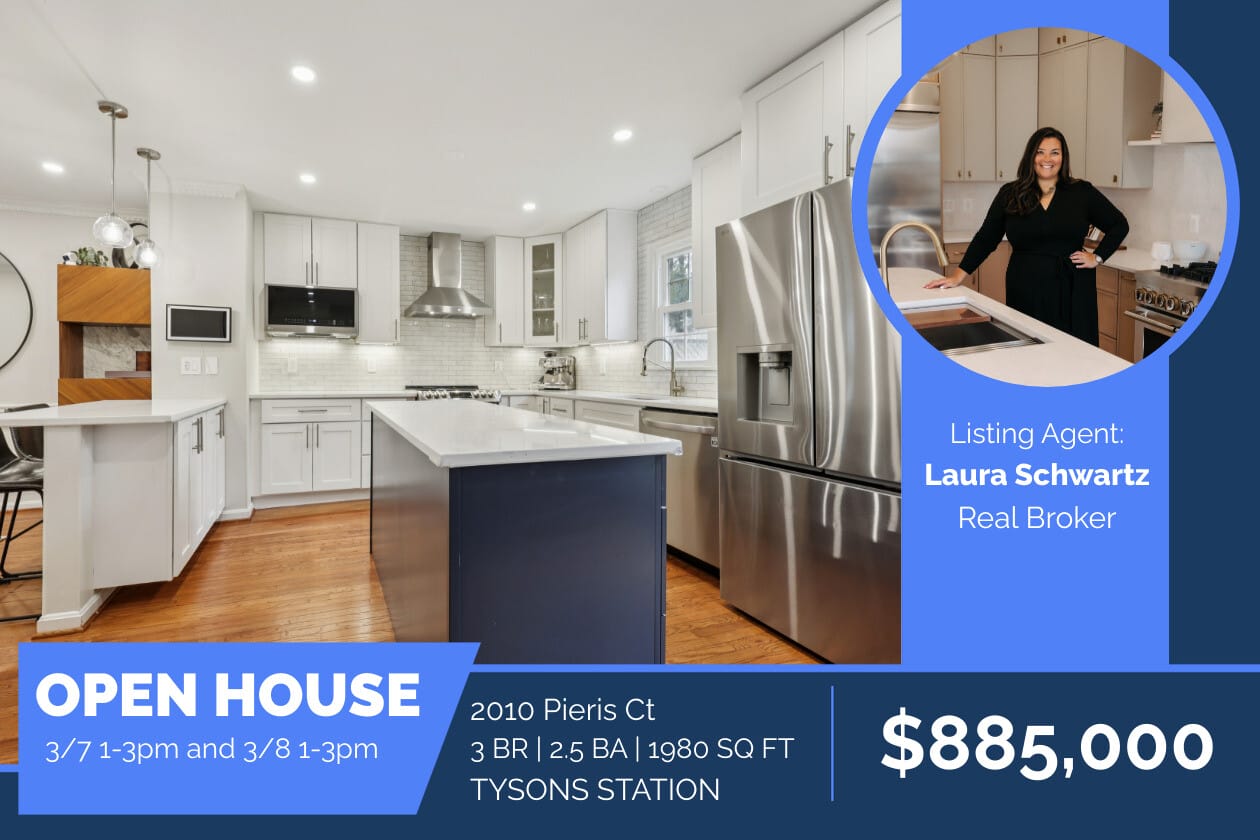
Address:2812 Emma Lee St., #303 Neighborhood: Merrifield Type: 2 BR, 2 (+1 half) BA condo – 1100 sq. ft. Listed: $449,000
Noteworthy: Two-story penthouse condo near Metro and Mosaic!
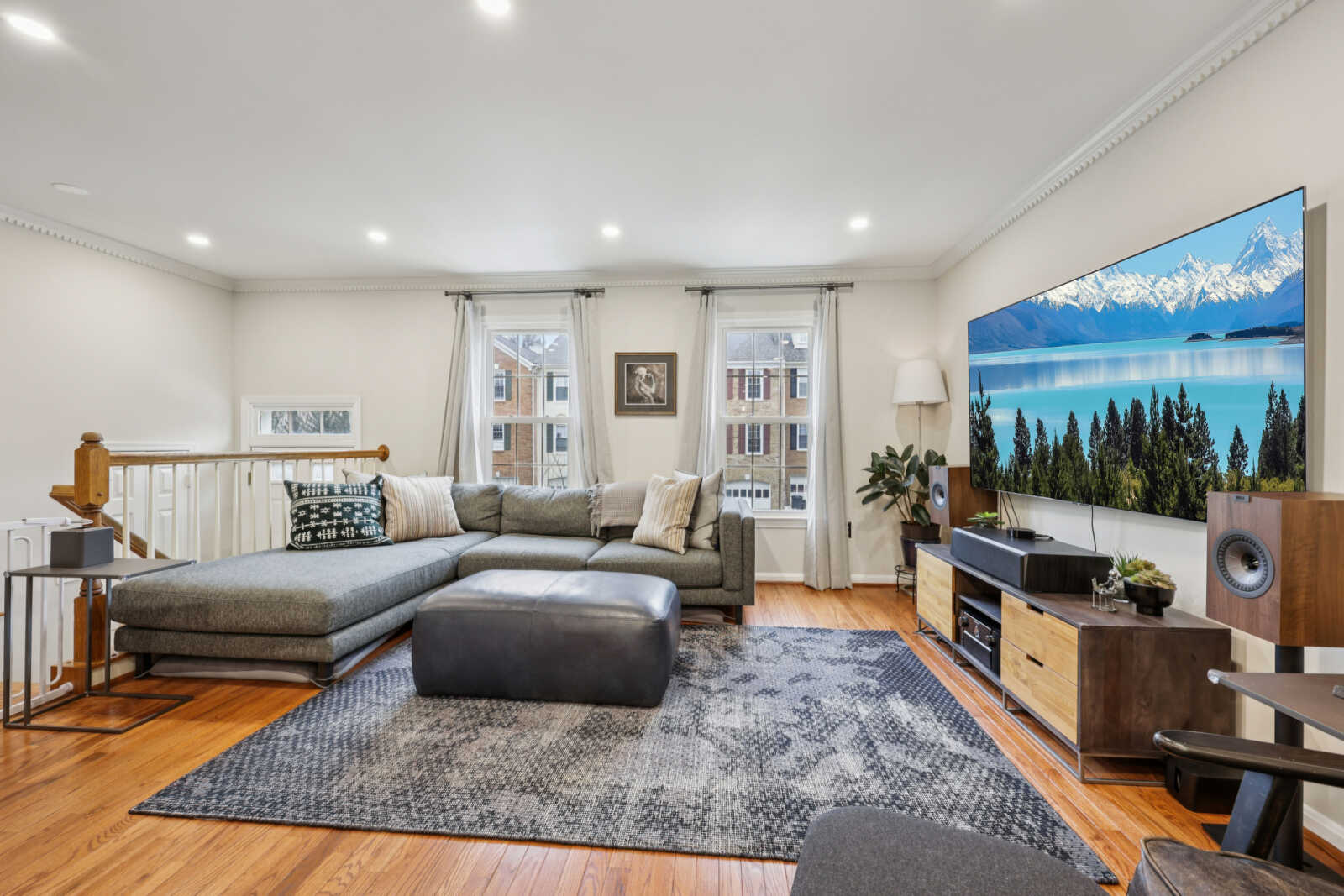
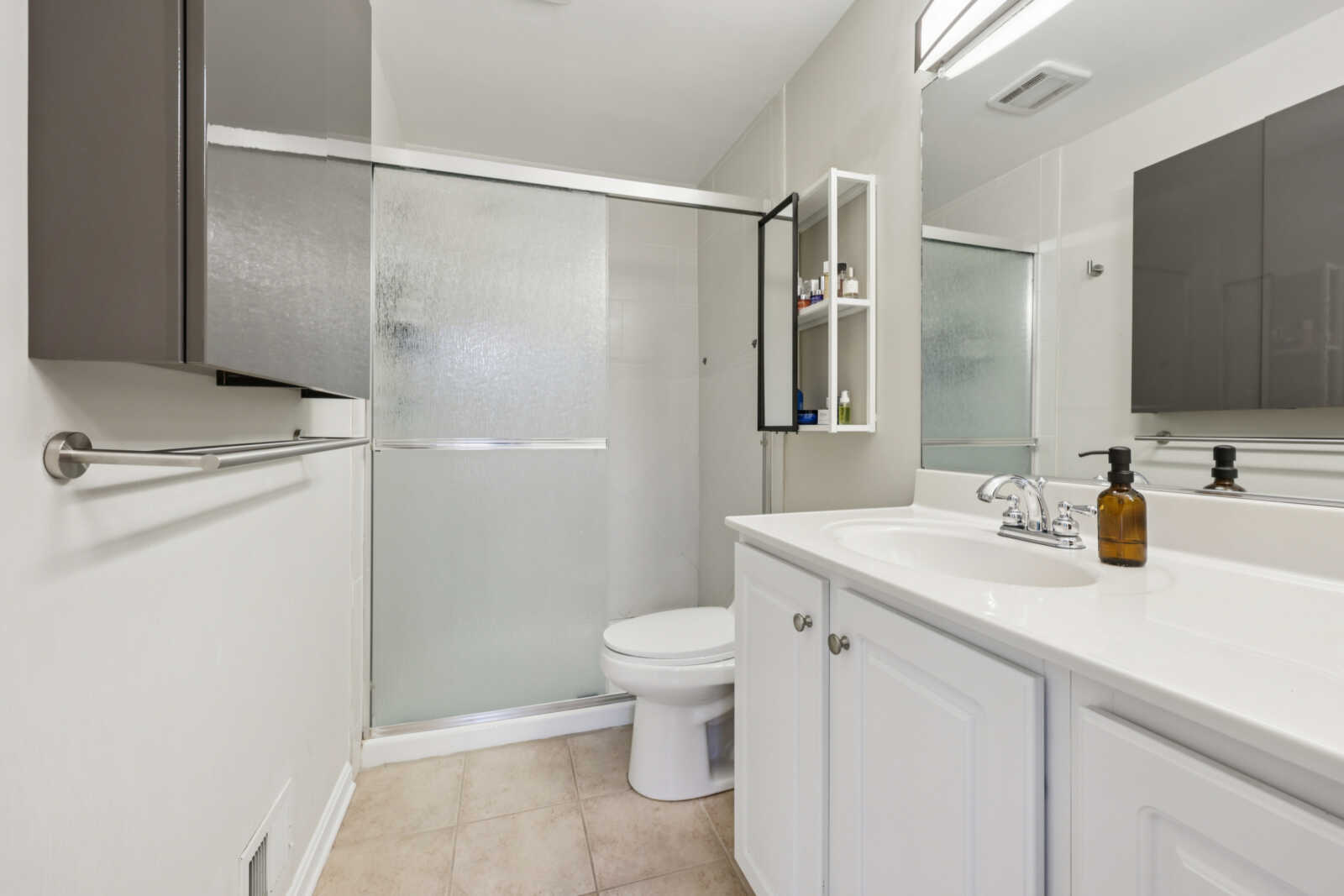
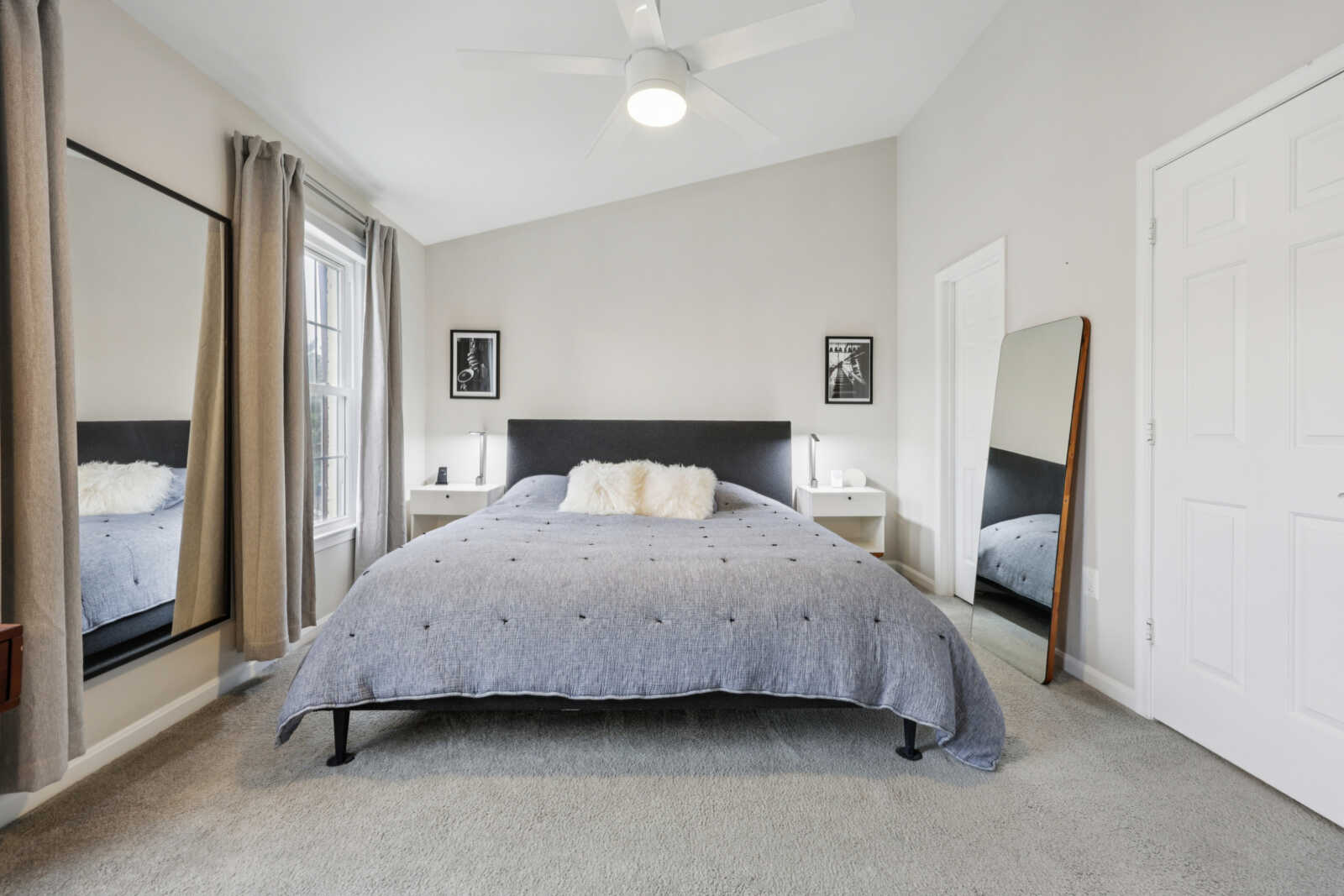
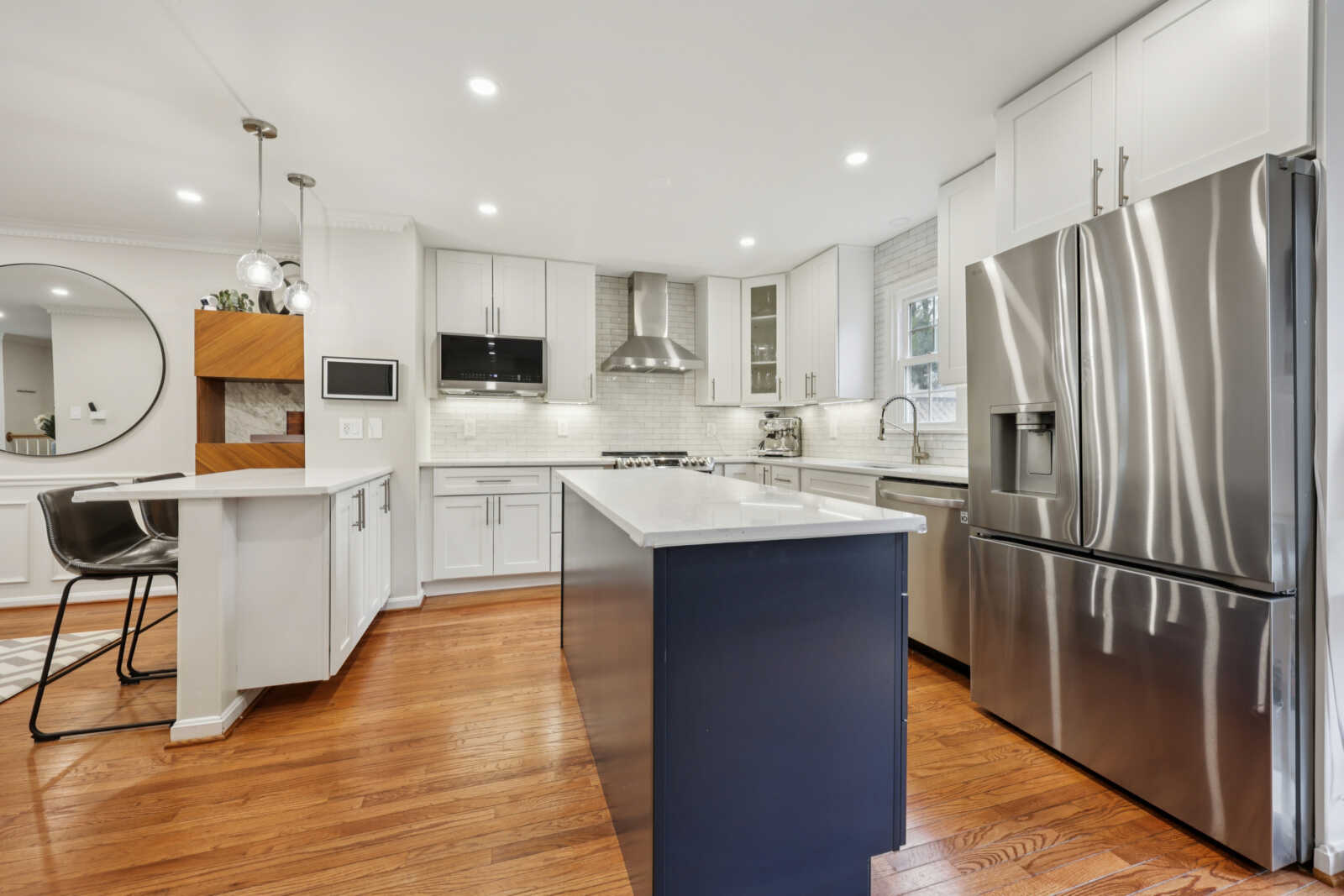
Welcome home to this charming top-level, two-story condo in Merrifield! You’ll love the layout of this spacious unit with abundant natural light. Nearly $30k in tasteful upgrades including hardwood throughout (2018), HVAC (2023), and kitchen and bath updates (2023, 2018). Upstairs bedrooms have vaulted ceilings, each with their own en suite bathrooms. Washer/dryer conveniently located upstairs as well. One mile from Mosaic District and 1.5 miles from Dunn Loring Metro. Get townhome living for a condo price – move-in ready with all the convenience!
When we talk about home remodeling, the conversation often centers around functionality and aesthetics: better layouts, added storage, more natural light. But what’s often missed is how your home environment can directly influence your mood, mindset, and overall well-being.
At Synergy Design & Construction, we know that remodeling is more than selecting finishes or upgrading floor plans. It’s about creating a space that nurtures you, inspires you, and supports your daily life. Because when your home feels good, you do, too.
Why Your Home Environment Matters
We spend more of our lives at home than anywhere else. It’s where we begin and end each day, where we connect with others, and where we recharge. But when spaces feel cramped, outdated, or disorganized, they can subtly wear on our mental and emotional health.
Environmental psychology research shows that clutter and lack of natural light can contribute to anxiety, low energy, and even depression. Meanwhile, open layouts, bright spaces, and thoughtful design can enhance productivity, encourage relaxation, and promote a sense of calm.
Thoughtful remodeling, then, becomes a powerful tool for emotional well-being, not just visual improvement.
Is Your Home Affecting Your Mood?
It’s not always obvious that your space is impacting your mental state. Here are some subtle signs:
Feeling uneasy or irritable in certain rooms
Avoiding areas of your home entirely
Struggling with daily tasks that should feel simple
Difficulty focusing while working from home
Hesitating to invite friends or family over
If this sounds familiar, the issue may not be your schedule or lifestyle, it could be your environment.
Design Changes That Can Boost Your Mood
A remodel offers more than a chance to update your home, it gives you the opportunity to shape how your space makes you feel. Here are some design elements that can support emotional wellness:
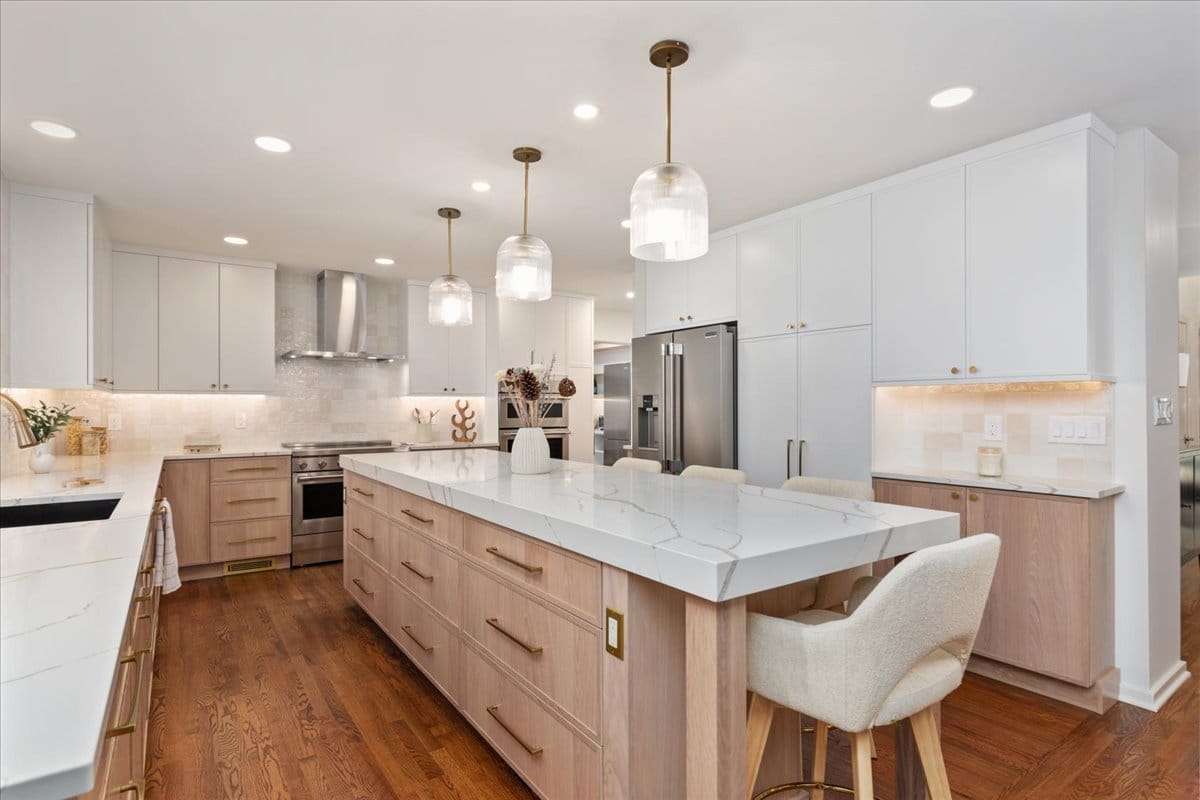
More photos of this Kitchen and Bath renovation here
Light and Color: Exposure to natural light has been shown to improve sleep, reduce stress, and boost overall mood. Whether it’s through adding windows or replacing a solid door with glass, maximizing sunlight can completely shift a room’s energy. Color plays a role, too, with cool neutrals creating a sense of calm, while warmer tones can make a space feel inviting and grounded.
Layout and Flow: An inefficient or cramped layout can cause stress in your everyday routine. Maybe your kitchen lacks prep space or your living area feels closed off. Thoughtful remodeling removes physical and emotional barriers, opening up the space in a way that supports ease and movement. This might mean a new open-concept kitchen, a tucked-away office nook, or a dedicated reading space.
Storage and Organization: Clutter doesn’t just take up space, it creates mental noise. When your home includes well-designed storage solutions like built-ins, custom cabinetry, or hidden nooks, it becomes easier to stay organized. That simplicity helps you breathe a little easier every day.
Personal Touches: A home that feels like you is emotionally grounding. Whether it’s a unique tile that reminds you of a favorite trip, a cozy bench where you sip morning coffee, or custom details that reflect your personality, these elements bring joy and comfort. In today’s fast-paced world, those moments of connection with your space are essential.
Remodeling as a Life Shift
For many homeowners, remodeling marks a meaningful transition. Maybe the kids have grown, and it’s time to reimagine your space. Maybe your work life has changed, and you’re now home more than ever. Or maybe you’re finally ready to prioritize your own comfort and needs.
Whatever the motivation, remodeling can act as a personal reset. It’s not just about how your home looks. It’s about how it functions, how it supports your habits, and how it makes you feel moving forward.
Navigating the Emotional Side of Remodeling
It’s important to acknowledge that remodeling can also bring up emotions. Change, even positive change, can feel overwhelming, especially when it involves your most personal space.
That’s why we approach every project with transparency, empathy, and a structured design-build process that helps you feel confident and cared for from start to finish. We’re not just here to deliver a stunning final product; we’re here to make the journey as smooth as the outcome.
Reflection Questions Before You Remodel
If you’re beginning to think about a remodel, here are some helpful prompts:
Which parts of your home uplift you, and which ones drain you?
Are there rooms that feel frustrating or inefficient?
How do you want to feel in your home each day?
What emotional tone do you want to set: calm and peaceful, vibrant and inspiring, warm and welcoming?
These reflections don’t just help us design better spaces, they help ensure the final result is aligned with your vision and values.
Your Home, Reimagined
Your home should be more than functional—it should feel like a true reflection of who you are and what you need. If your space no longer fits your lifestyle or supports your well-being, you don’t have to settle. A thoughtful remodel can transform more than just your floor plan—it can change how you experience every day.
At Synergy Design & Construction, we believe that good design isn’t just seen, it’s felt. And we’re here to help you create a home that feels as good as it looks.
If you’re ready to start the conversation, our team is here to listen, guide, and bring your vision to life.
There is so much public art to discover in Fairfax!☀️ From now through September 30, ArtsFairfax invites art enthusiasts to join the Public Art Locator Challenge, a social media scavenger hunt and local arts adventure!
How to Play
The Challenge is easy – take a photo with public art across Fairfax County, tag @ArtsFairfax, and use the hashtag #PublicArtLocatorChallenge for a chance to win gift cards and show tickets from cultural partners throughout Fairfax.
🎨Visit ArtsFairfax.org or the button below for full participation guidelines.
What is The Public Art Locator?
The ArtsFairfax Public Art Locator is a free, interactive web application designed to empower users with the ability to identify the public art they experience day to day. The application geotags the location and invites the user to offer any insight they may have on the project, including a photo, the artist, title of the work, and materials used. Launched in 2023, the Locator has already crowdsourced over 200 works of street art, murals, and sculptures in Fairfax County.
What is Public Art?
Public Art is any visual or performing art experience–temporary or permanent–that is available in a public setting and accessible both day and night. The Public Art Locator is moderated by ArtsFairfax staff to verify tagged art, fact check, and maintain a digital environment that is appropriate and enjoyable for all ages.
By gamifying the Public Art Locator, ArtsFairfax wants to celebrate the art that makes Northern Virginia unique AND identify new opportunities for public art installation in our region.
Public art is all around us – you just have to find it!🗺️📍
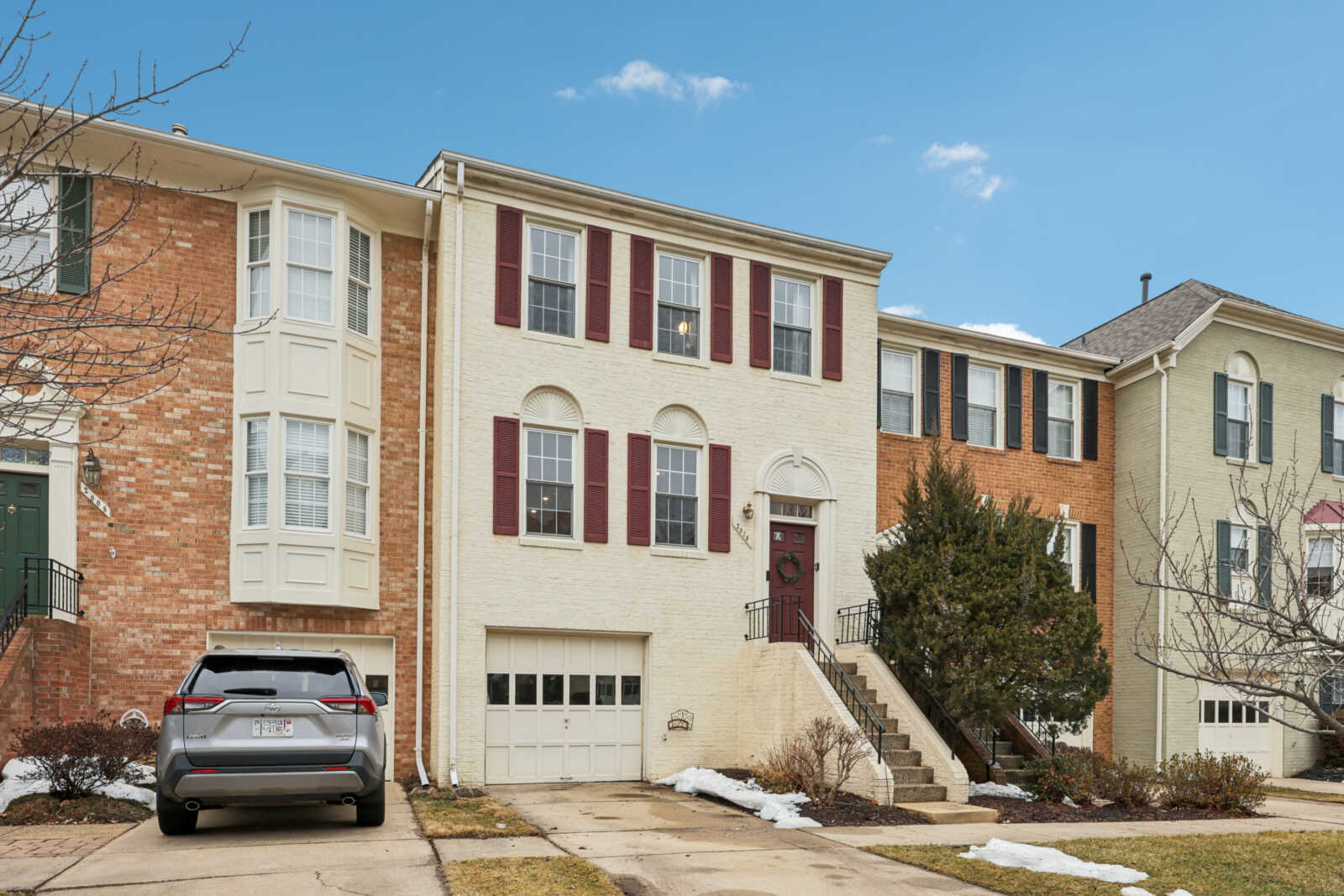
Address:2408 Wanda Way Neighborhood: Deepwood Type: 3 BR, 2 (+1 half) BA townhouse – 1850 sq. ft. Listed: $625,000
Noteworthy: Move-in Ready Townhome Backing to Trees!
You will not want to miss this adorable all-brick townhome in Reston’s Deepwood neighborhood (not part of Reston Association!). Over $35k in recent improvements including HVAC (2024), roof (2024), water heater (2024), carpet (2025), paint (2025), appliances, kitchen updates, and more! All major systems have been upgraded so you can move in and enjoy. The Falcon model offers a stunning vaulted family room with oversized windows and abundant natural light. This home backs to a private wooded common area leading to Reston’s many trails. The Deepwood neighborhood has its own pool, playgrounds and charming appeal. Great schools and easy access to all of Reston’s amenities.
This is a sponsored column by attorneys John Berry and Kimberly Berry of Berry & Berry, PLLC, an employment and labor law firm located in Northern Virginia that specializes in DC, Maryland, Virginia, federal employee, security clearance, retirement and private sector employee matters.
By John V. Berry
Our federal employment lawyers represent federal employees nationwide before the Merit Systems Protection Board (MSPB). When filing an appeal with the MSPB a federal employee must carefully complete several critical steps to start the process. Failure to comply with these requirements may result in the dismissal of the appeal or the exclusion of critical components from MSPB review.
Filing Deadline for an MSPB Appeal
In general, an appeal must be filed within 30 calendar days of either the effective date of action, if any, or the date the appellant receives the agency’s decision, whichever occurs later. However, if the appellant and the agency mutually agree in writing to engage in an alternative dispute resolution process before the appeal deadline, the filing period can be extended by an additional 30 days, resulting in a total of 60 calendar days to file the appeal.
The MSPB will likely dismiss an appeal that is filed after the deadline. To avoid this outcome, it is essential to strictly adhere to all filing deadlines.
Where to File an MSPB Appeal
You must file your appeal with the MSPB regional or field office that serves the geographic area where your duty station was located at the time the action was taken. However, if the appeal involves a final decision by the Office of Personnel Management (OPM) concerning retirement benefits, or an adverse suitability determination, it should be filed with the regional or field office that has jurisdiction over your place of residence. For a complete list of MSPB regional and field office jurisdictions, refer to Appendix II of Part 1201 of the Board’s regulations. The MSPB has some helpful information listed here regarding the filing of appeals.
Electronic Filing of an MSPB Appeal
The MSPB e-Appeal system, is the most efficient and is the exclusive platform for electronic filing with the Board. If you prefer not to file your appeal electronically, you may download the MSPB Appeal Form and submit it using traditional methods, such as postal mail. While using the Appeal Form or the e-Appeal Online application helps ensure that all required information is included, use of the form is not mandatory.
At our law firm, we utilize the electronic filing system from the initial filing through the conclusion of the appeals process. Regardless of the method used, an appeal must be submitted in writing and must contain all the information required under 5 C.F.R. § 1201.24(a). Specifically, § 1201.24(a) provides that all appeals must include the following:
The name, address, and telephone number of the appellant, and the name and address of the agency that took the action;
A description of the action the agency took and its effective date;
A request for hearing if the appellant wants one;
A statement of the reasons why the appellant believes the agency action is wrong;
A statement of the action the appellant would like the judge to order;
The name, address, and telephone number of the appellant’s representative, if the appellant has a representative;
Where applicable, a copy of the notice of proposed action, the agency decision being appealed and, if available, the SF-50 or similar notice of personnel action. No other attachments should be included with the appeal, as the agency will be submitting the documents required by 1201.25 of this part, and there will be several opportunities to submit evidence and argument after the appeal is filed. An appellant should not miss the deadline for filing merely because he or she does not currently have all of the documents specified in this section.
A statement telling whether the appellant or anyone acting on his or her behalf has filed a grievance or a formal discrimination complaint with any agency regarding this matter; and
The signature of the appellant or, if the appellant has a representative, of the representative. If the appeal is electronically filed, compliance with § 1201.14 and the directions at the Board’s e-Appeal site (https://e-appeal.mspb.gov) satisfy the signature requirement.
Procedures Following an MSPB Appeal
The Administrative Judge assigned to the case will issue an Acknowledgment Order to the appellant, their representative (if any), and the agency. This order serves to officially notify all parties of the appeal and transmits a copy of the appeal to the agency. It also directs the agency to submit a written response explaining the reasons for the personnel action being challenged, along with all documents contained in the official agency record related to the action.
As the case proceeds, the Administrative Judge will issue additional orders and notices regarding required pleadings and procedural deadlines. Pleadings may be submitted electronically via the MSPB’s e-Appeal Online system, or by regular mail, fax, or personal/commercial delivery. Following a hearing, or, if no hearing is requested, after the close of the written record, the Administrative Judge will issue an initial decision.
A well-prepared submission significantly improves a federal employee’s chances of either successfully litigating the case or reaching a favorable settlement. A clear and thorough appeal gives the Administrative Judge the context needed to assess the claims early on and ensures proper understanding of the legal arguments from the outset, which facilitates settlement discussions.
Conversely, if the appeal lacks clarity or detail, the Administrative Judge may overlook key issues, diminishing the focus on the case and weakening its presentation throughout the process. For these reasons, our firm strongly recommends that federal employees seek legal counsel to review and prepare the initial appeal to ensure it meets all procedural requirements.
Contact Us
Berry & Berry, PLLC represents current and former federal employees in employment, administrative, labor union, and security clearance matters, both nationwide and abroad. To learn more or to schedule a consultation, please visit our website at www.berrylegal.com or call us at (703) 668-0070.
The way we use our homes has changed, and continues to evolve. As hybrid work becomes the norm and families balance everything from remote meetings to multigenerational living, today’s spaces need to work harder, smarter, and more flexibly than ever before.
That’s why multi-purpose rooms have become one of the most sought-after remodeling features for homeowners in Northern Virginia.
At Synergy Design & Construction, we believe the most beautiful spaces are the ones that adapt to your life, not the other way around. And multi-purpose rooms are one of the most effective ways to make your home not only more livable, but more functional for the long haul.
What Exactly Is a Multi-Purpose Room?
Put simply, a multi-purpose room is a space designed to intentionally support more than one function. While a formal dining room may only get used a few times a year, a multi-functional room is designed to earn its keep every day.
Here are just a few examples of how homeowners are putting this concept into action:
A home office that transforms into a guest room
A playroom that also serves as a cozy family lounge
A home gym that doubles as a wellness or meditation space
A mudroom with integrated laundry and storage
A finished basement that flexes between entertaining and everyday use
Instead of dedicating square footage to single-use rooms, multi-purpose design allows you to get more out of every inch of your home.
Why Flexible Spaces Matter Now More Than Ever
While the concept isn’t new, the demand for multi-purpose spaces has skyrocketed in recent years. Since 2020, more of us are working from home, hosting out-of-town family, or making room for aging parents. For homeowners in Reston and surrounding areas, flexible design has become a creative and cost-effective solution to meet modern living needs without requiring a home addition.
How to Design a Multi-Purpose Room That Truly Works
It’s not about squeezing multiple functions into one room and hoping for the best. A well-designed multi-purpose space should feel intentional, cohesive, and easy to use. Here’s how we help our clients achieve that balance:
1. Start With Clarity
Before diving into the design details, we ask:
What will the primary use of the space be?
What secondary functions do you want to support?
How often will each use come into play?
Answering these questions early on helps shape the floorplan, furniture selection, and built-in features so the final result actually fits your lifestyle.
2. Use Design to Define Zones
Incorporating multiple functions in a single room works best when each one has a clear place. That doesn’t mean you need walls, just smart zoning. We often use:
Built-in cabinetry to define functional areas
Rugs to anchor different zones
Lighting to distinguish work vs. relaxation
Pocket doors, curtains, or room dividers for flexible separation
Even in a small room, these subtle cues make a big difference in how the space flows.
3. Choose Furniture That Works Overtime
When space is at a premium, versatility is key. Some of our go-to solutions include:
Murphy beds that fold out only when needed
Desks that double as vanities or consoles
Ottomans and benches with hidden storage
Sectionals with built-in pull-outs
Custom built-ins that house everything from books to bedding
We help clients select pieces that look great and function beautifully without clutter or compromise.
4. Prioritize Built-In Storage
If you’re using a space for multiple activities, organization becomes even more important. That’s why we always build in smart storage, including:
Custom shelving and cabinetry designed to fit your needs
Under-bench storage for linens, games, or seasonal items
Vertical solutions that keep essentials accessible but out of the way
Hidden compartments for a clean, clutter-free look
It’s all about getting more from the square footage you already have.
Real-Life Examples of Multi-Purpose Spaces in Action
We’ve worked with homeowners throughout Northern Virginia to bring multi-functional spaces to life. Here are two recent transformations that show what’s possible when design meets intention:
Guest Room + Office Retreat – Vienna, VA
In the Carpers Farm neighborhood, our clients asked us to transform their basement into a welcoming, high-performance space. The result? A full basement remodel featuring an open-concept layout with custom bar, gaming area, and TVs for entertaining and a guest bedroom that doubles as a home office, thanks to a custom Murphy bed and built-in storage.
Another family had lived in their Vienna home for over a decade and wanted their already-finished basement to better reflect their needs and taste. We opened up the layout, removed outdated storage closets, and created a spacious rec room complete with a walk-up counter, wet bar, and entertainment zones. In a previously unfinished area, we added a new bedroom, full bath, and functional closets making this lower level ready for hosting, relaxing, and overnight guests alike.
A successful remodel doesn’t just change how a room looks, it changes how you live in it.
At Synergy Design & Construction, we take the time to understand how your home currently functions, and how it could serve your life better. Whether you’re looking to renovate a single space or reimagine your entire layout, our team brings creativity, craftsmanship, and care to every detail.
Thinking about enhancing your home?
We’d love to help you bring it to life. Visit renovatehappy.com to explore our portfolio and get in touch about your next project.