


Further reductions in Fairfax County’s office building inventory are needed, but the commercial office sector is not a dinosaur destined for extinction, industry officials say.
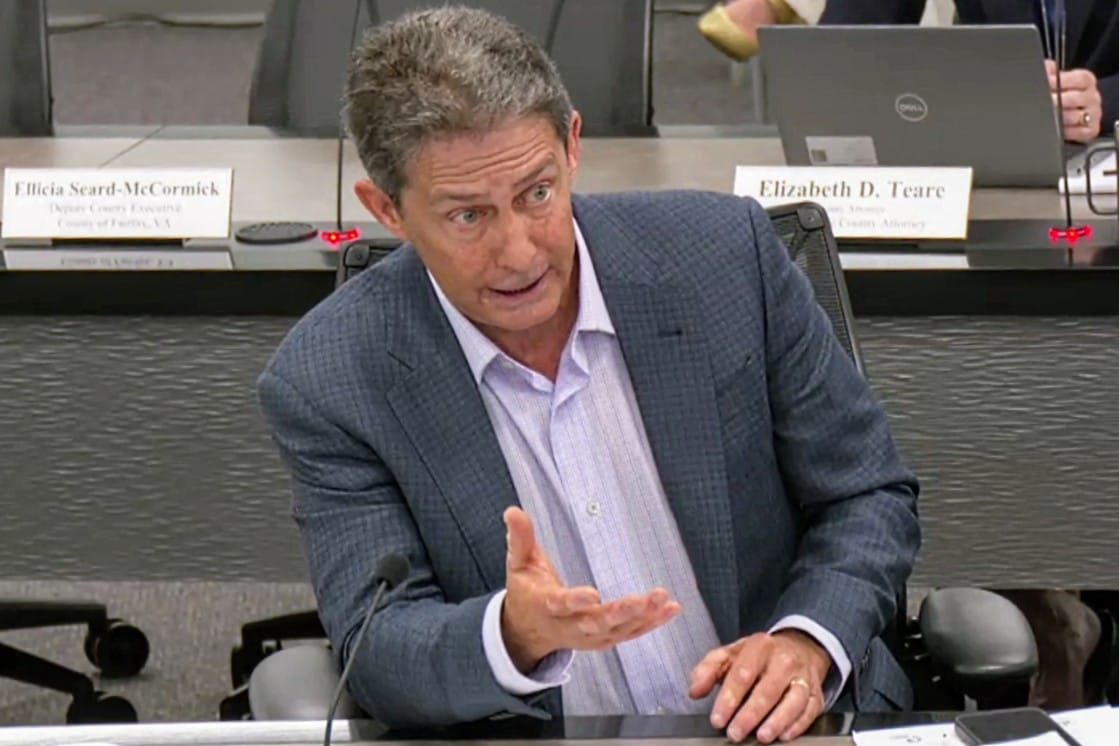
“We’re seeing our existing tenants … beginning to need more space,” Barry Bass, a cofounder of the real estate investment firm Silverline Equities, told the Board of Supervisors’ Council for Economic Opportunity on Tuesday (June 16).
Bass was joined at the briefing by Rob Ward, executive vice president of Clark Construction. They painted a picture of office market challenges that will require nimble thinking by both property owners and government officials.
Headquartered in Falls Church City, Bass’s firm purchases older office buildings and works to update them for improved leasing opportunities.
The current market environment presents “generational, unique opportunities … to take existing office buildings and make them better,” he told county leaders.
But it has to be done with nuance, he added. “The right office buildings in the right locations” make sense for refurbishment, but others may need to be repurposed or razed.
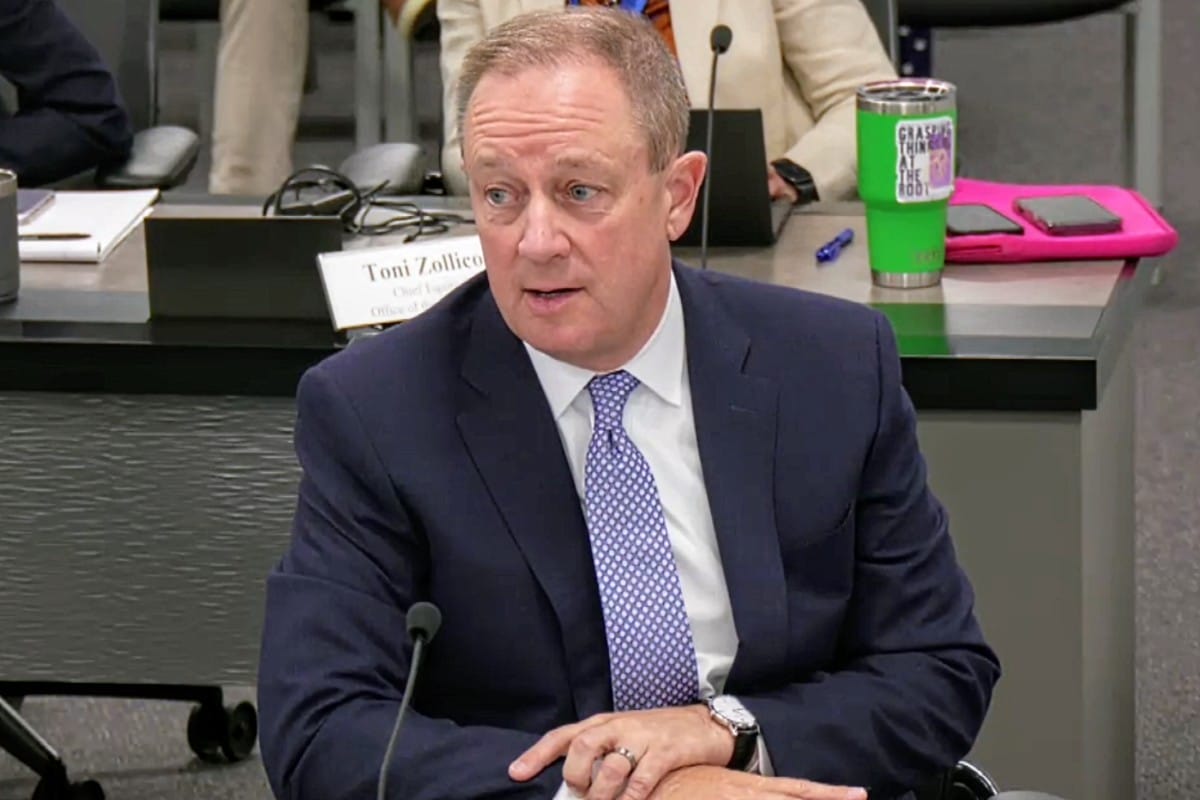
Ward agreed.
“Some of these buildings shouldn’t be here any more,” he said. “The question is, how do we transition these buildings in the best possible way?”
Sometimes that means finding ways to repurpose office buildings for residential or hotel uses. But that can be expensive and technically challenging.
“In some cases, it’s not as viable as people think,” Ward told supervisors.
Bass estimated that about 10% of the county’s office building stock has little chance of seeing significant future leasing and should be repurposed or removed. That would amount to about 18 million square feet of underutilized space — in line with estimates made by county leaders.
Earlier this year, Board of Supervisors Chairman Jeff McKay said “aggressive” efforts were needed to help property owners wishing to repurpose older buildings.
The June 16 discussion represented “confirmation of so many things we are doing,” McKay said. According to the chairman, county staff continue efforts to identify “those 10% of office buildings out there we know are never going to be filled again [and] clear out that inventory.”
Empty office space depresses the overall leasing market, impacting both the bottom line of developers and commercial real estate tax revenue flowing to the county government.
“We need to focus not just on conversion, but on outright development,” McKay said.
Both panelists pressed county leaders to show more imagination when it comes to assisting property owners with turning parcels from commercial to residential, whether through conversion or full demolition and redevelopment.
“I would encourage openness and creativity,” said Ward. “Do something different that is not being done across the country.”
In Fairfax, the process for repurposing or redeveloping buildings “takes longer than it should,” Bass said.
As he has before, McKay said the county government sometimes has lacked the political will to support creative solutions.
“A couple of loud people who are living next door” can be all it takes to derail development plans, he said.
More education of the public would help, Franconia District Supervisor Rodney Lusk said, observing that many residents think empty office buildings eventually will find new tenants, when in fact they are likely to continue sitting empty.
“A lot of folks don’t understand what’s happening,” Lusk said of the evolving commercial office sector.
The county government’s efforts to convert office buildings to other uses began before the pandemic, with the board approving policy changes back in 2018 to speed up the planning process for office conversions.
At that time, the county had an estimated 18 million square feet of vacant office space, including 607,000 square feet in areas designated as suburban. Almost half of the vacant suburban space was found in just 25 buildings, nearly all of which dated back to the 1970s and ’80s.
However, Covid radically altered the commercial office market, accelerating an embrace of remote and hybrid work schedules that don’t require employees to commute five days a week. Developers and economic officials have also reported a “flight-to-quality” trend of tenants fleeing older, suburban properties for newer offices that have plenty of amenities and are convenient for transit users.
Ward said many local buildings now see about 65% occupancy during midweek periods, less on Mondays and Fridays.
“That’s a big difference” from pre-pandemic times, he said.
“We are in a better spot than a lot of counties and cities,” Ward said, but the county’s vacancy rate of well over 20% remains a major concern.
Among other steps to address its supply of vacant or under-leased office space, the county recently initiated planning studies to determine the redevelopment potential of office-heavy areas in Tysons and Reston East. The evaluations were prompted by pitches from property owners for comprehensive plan amendments to allow housing or mixed-use development in those locations.
