

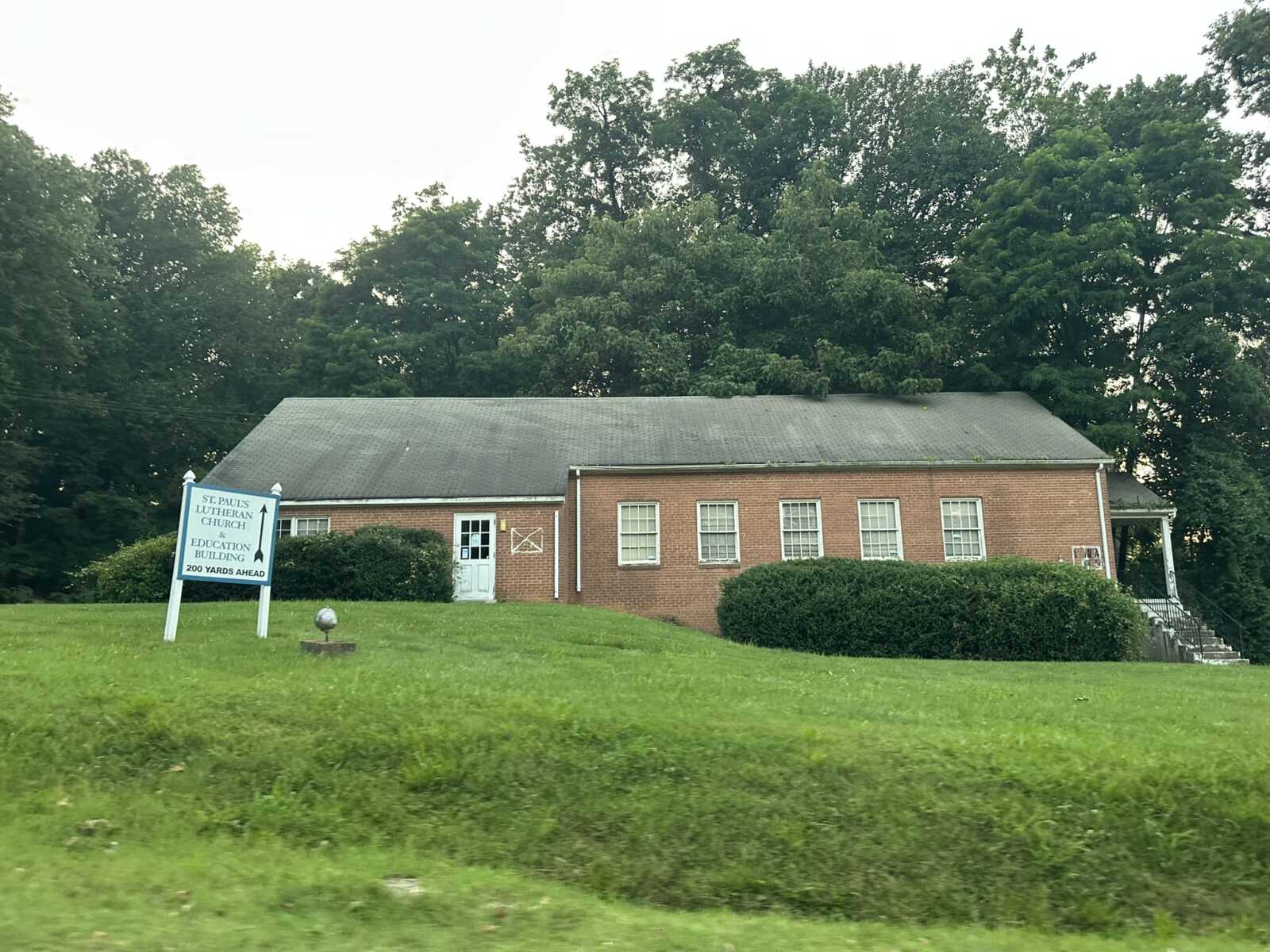
Fairfax County staff are beginning preparations for adhering to a new state law loosening zoning regulations on development of affordable housing.
Legislation known by proponents as the “Faith in Housing” bills was enacted by the General Assembly and signed by Gov. Abigail Spanberger (D) earlier this year. Set to take effect on Jan. 1, 2027, it requires localities to establish a streamlined process for construction of affordable units on land owned by religious organizations or nonprofit groups.
“Interpretation is going to be key,” said Providence District Supervisor Dalia Palchik, speaking at a July 7 meeting of the Fairfax County Board of Supervisors’ Land Use Policy Committee.
The looming changes were briefly touched on during a broader discussion of county planning and zoning staff’s work plan for the coming year.
Typically, legislation enacted during a General Assembly session takes effect July 1 of the same year. Delaying the “Faith in Housing” law’s implementation to January will help local governments come to grips with its specific requirements.
The extra time will be used to “understand the complexities of the bill,” said William Mayland, the county’s assistant zoning administrator.
“We’ll be working … to create a process for people who want to go through that process,” he told supervisors.
The legislation was patroned by Sen. Jeremy McPike (D-29) and Del. Joshua Cole (D-65). It had the backing of affordable housing advocates, who long have complained about the complexities of developing housing across the commonwealth, as well as some local officials, including Fairfax City Mayor Catherine Read.
The measures passed largely along party-line votes, with a few Republicans joining the majority Democrats in supporting the bills.
The law permits eligible faith-based organizations and others qualifying nonprofits that have owned a property for at least five years to pursue development by-right.
Under its provisions, at least 60% of the delivered housing must be available to households earning no more than 80% of area median income for at least 30 years.
The measure does not provide blanket approval for housing without retaining some local government oversight. It limits projects to within 500 feet of existing water and sewer lines, and developments will be required to abide by local environmental and historic preservation standards.
Among provisions of the bill that has led to questions is an amendment that Spanberger offered exempting buildings granted additional height above what’s permitted in the site’s zoning district by right from a new 45-foot minimum height requirement.
The measure also has a sunset provision, with its provisions expiring at the start of 2031 unless readopted by the General Assembly in the future.
Local governments across the commonwealth have expressed reservations about giving up zoning power.
When crafting the county’s priorities for the 2026 General Assembly session late last year, Board of Supervisors Chairman Jeff McKay had stressed that, while some localities are leery of or even hostile to affordable housing, the state government should not impose one-size-fits-all policies on localities like Fairfax that are actively working to reduce red tape around housing development.
At a General Assembly hearing in February, Fairfax County’s legislative director and representatives from other localities testified against legislation that would’ve allowed by-right residential development in commercial districts. The bills from Del. Dan Helmer (D-10) and state Sen. Schuyler VanValkenburg (D-16) passed their original chambers, but ultimately stalled after crossing over.
Despite the concerns about the state encroaching on local authority, the new “Faith in Housing” legislation may help Fairfax County achieve its goal of 10,000 new affordable units by 2034.
At a committee meeting held in May, county staff reported that only 13% of homes built in Fairfax in the past four years are affordable to households earning the county’s median income, which is currently $164,000 for a family of four.
According to a housing needs assessment released earlier this year, the county needs to add as many as 95,000 new housing units by 2035 to keep pace with the region’s projected growth.
