

Fairfax County officials sent mixed messages last Friday (Feb. 13) over General Assembly progress, or lack of it, toward dedicated transit funding for Northern Virginia.
Legislation to establish dedicated transit funding is unlikely to be acted on during the month remaining in the 2026 legislative session, county staff reported at a meeting of the Board of Supervisors’ Legislative Committee.
With one exception, all proposed bills “were carried over to 2027,” Noelle Dominguez, coordination and funding division chief for the Fairfax County Department of Transportation, said when briefing the county supervisors on the status of legislation in Richmond.
Legislators “wanted to take a longer look at tax reform in general,” Dominguez said.
The lone bill still in play at the time of the meeting, patroned by Del. Kathy Tran (D-18), is “expected to meet the same fate,” Dominguez said.
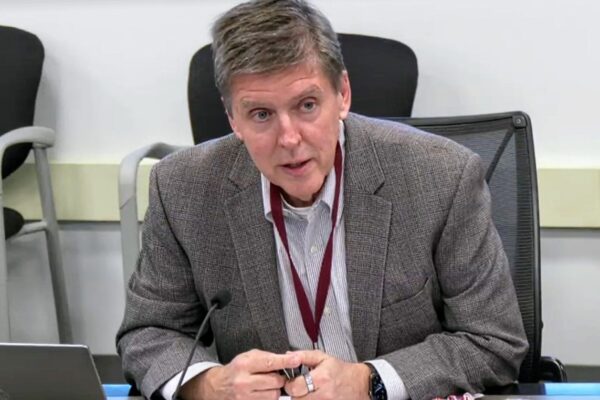
Hunter Mill Supervisor Walter Alcorn countered that it’s too early to throw in the towel.
“The idea of getting a longer-term financing solution for at least some of the pieces of the transit funding needs is not dead,” he said.

“It will be a matter of discussion in the budget — those discussions are very much alive,” said Alcorn, a member of the Washington Metropolitan Area Transit Authority (WMATA) board of directors.
State legislators are being asked to support new tax and fee options to be imposed in Northern Virginia to pay the region’s share of the DMV Moves transit improvement plan adopted at a regional level last November and endorsed a month later by the Board of Supervisors.
That plan calls for $460 million in annual regional dedicated funding spread between Virginia, Maryland and D.C., but it leaves it up to the jurisdictions to determine how to pay for it.
The regional plan is not binding on the General Assembly. While the additional funding would not go into effect until mid-2027, Northern Virginia leaders are seeking legislative action this year as an assurance the funds would begin flowing.
Tran’s bill was left behind in the House appropriations committee today (Wednesday) after lawmakers failed to take any action on it before the deadline for legislation to cross over to the opposite chamber.
HB 1179 would’ve added new regional sales taxes in Northern Virginia and introduced taxes on rideshare companies, retail deliveries and regional commercial parking. It also imposes a regional highway use fee on all vehicles in the Commonwealth subject to the existing highway use fee.
The additional taxes and fees would generate $442.6 million in fiscal year 2027 and $492.8 million in FY 2028 for transit, the Virginia Department of Planning and Budget found.
Without state authority for additional taxes, localities would either have to fund the extra costs themselves, or the proposal would be at risk.
Alcorn said it’s important that local officials speak to state legislators frequently and effectively on the topic.
“Let’s keep pushing this. Remind them that we at the county level are on the hook to pay for this, not just here but other jurisdictions,” he said, calling that possibility an “extremely painful” thing to consider.
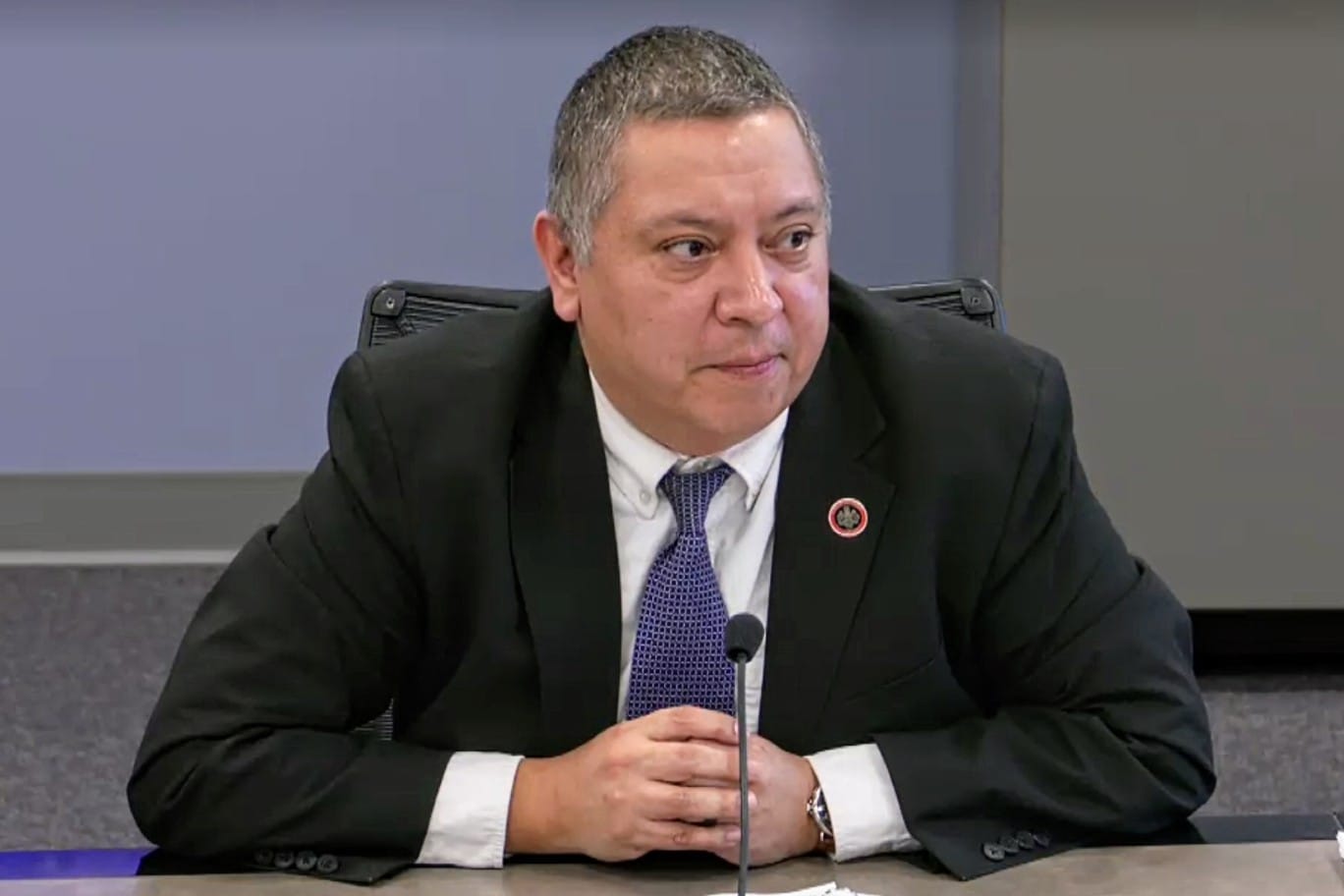
According to Dranesville District Supervisor Jimmy Bierman, Fairfax County already pays $65 million annually to subsidize Metro, $47 million for Fairfax Connector service and $7 million for Virginia Railway Express service.
Allowing for more varied tax sources to support transit, as proposed last year by a legislative subcommittee, would help relieve the burden on homeowners, Bierman said.
With the 60-day General Assembly session about half over, time for advocacy is waning, Mason District Supervisor Andres Jimenez warned.
“Getting word out to our delegates is imperative,” he said.
